
Last updated November 25, 2026
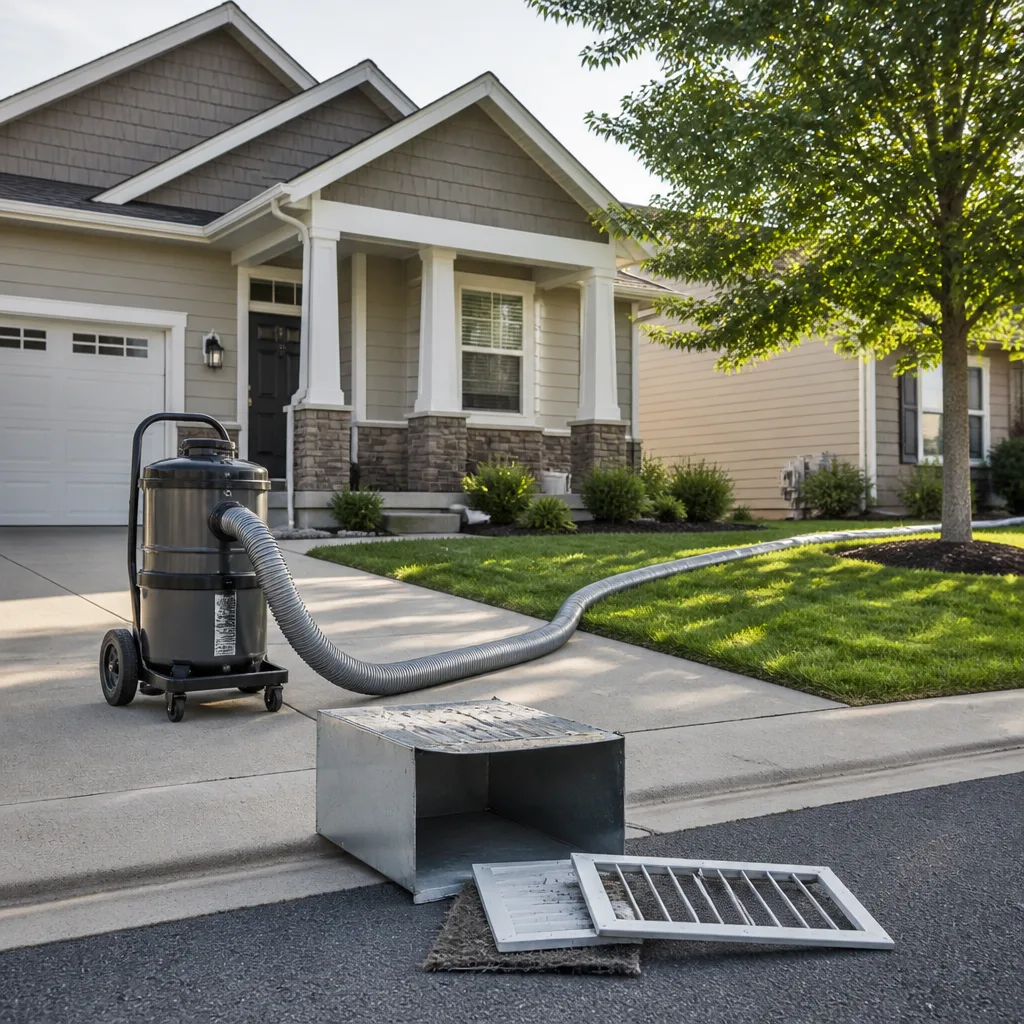 Whole-home duct cleaning
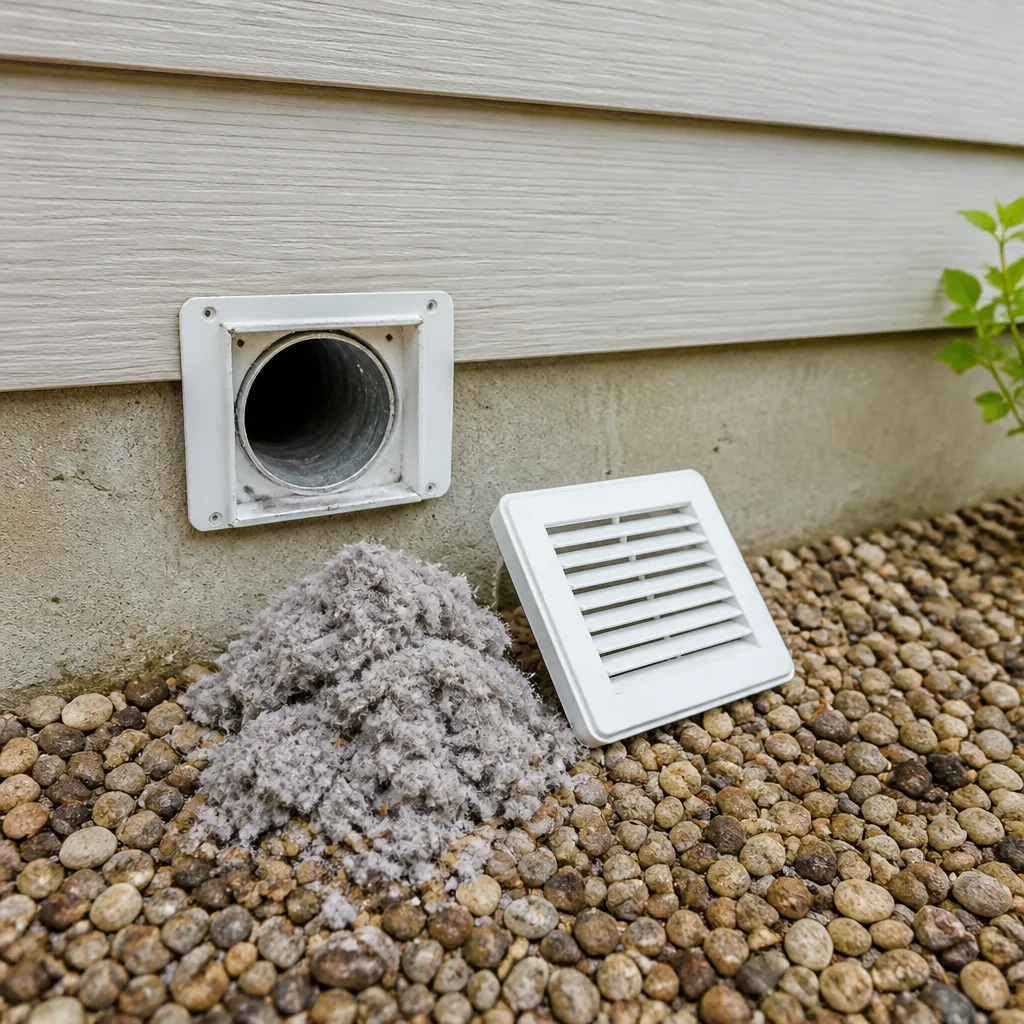 Dryer vent cleaning
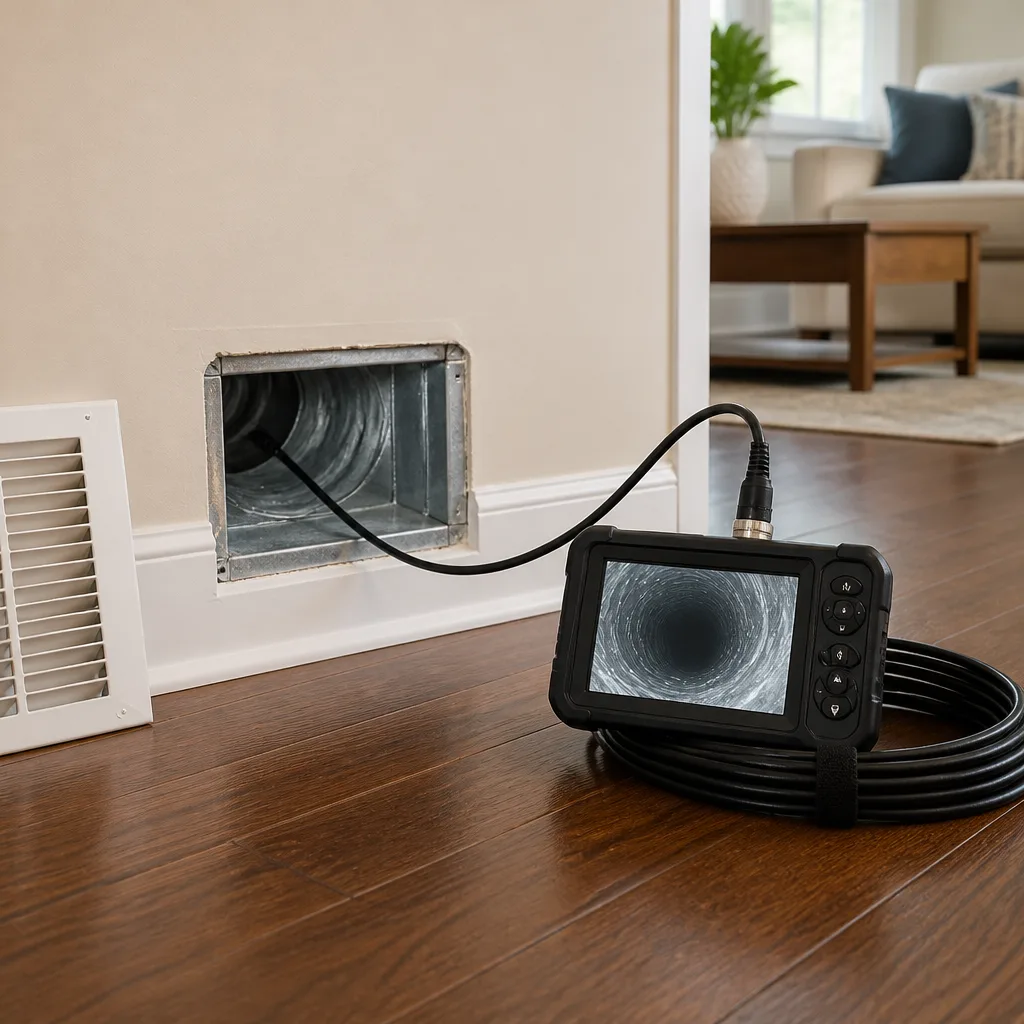 Camera inspection
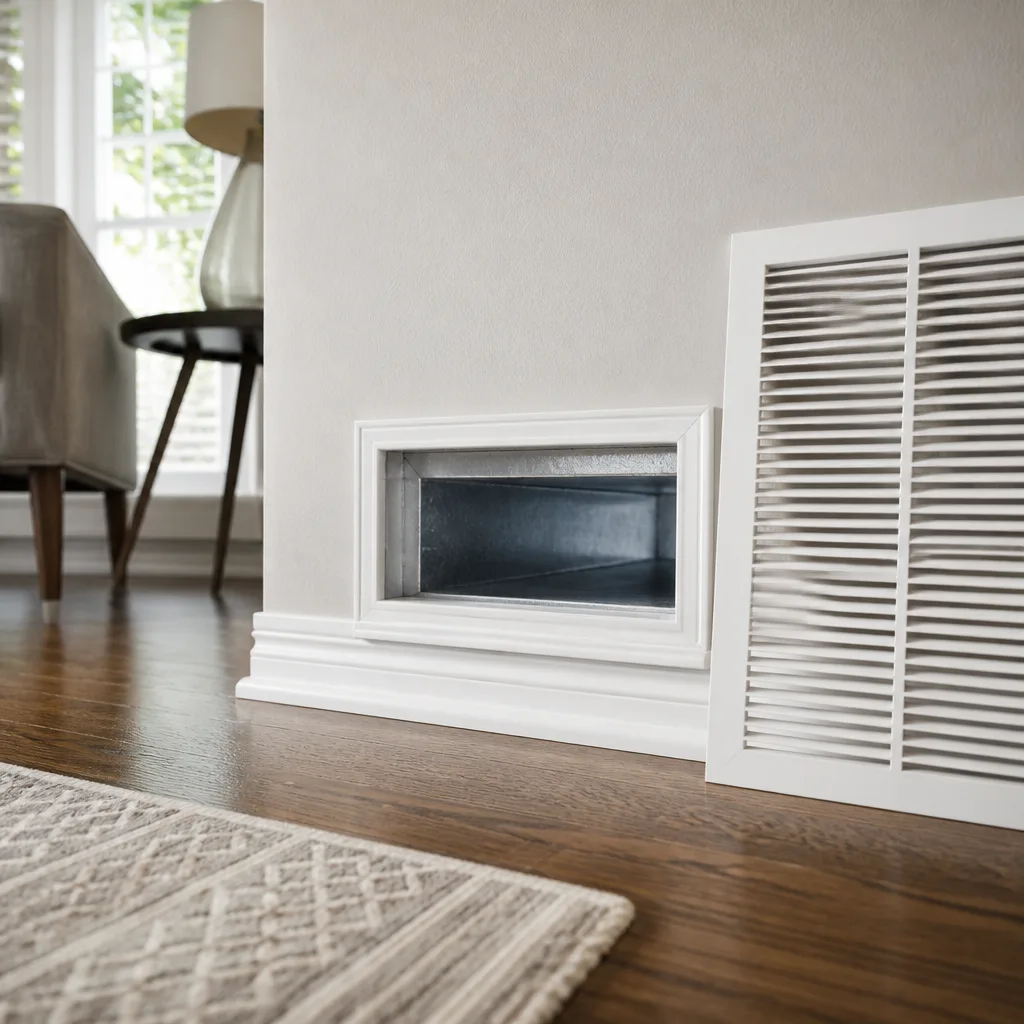 Sanitizing & deodorizing
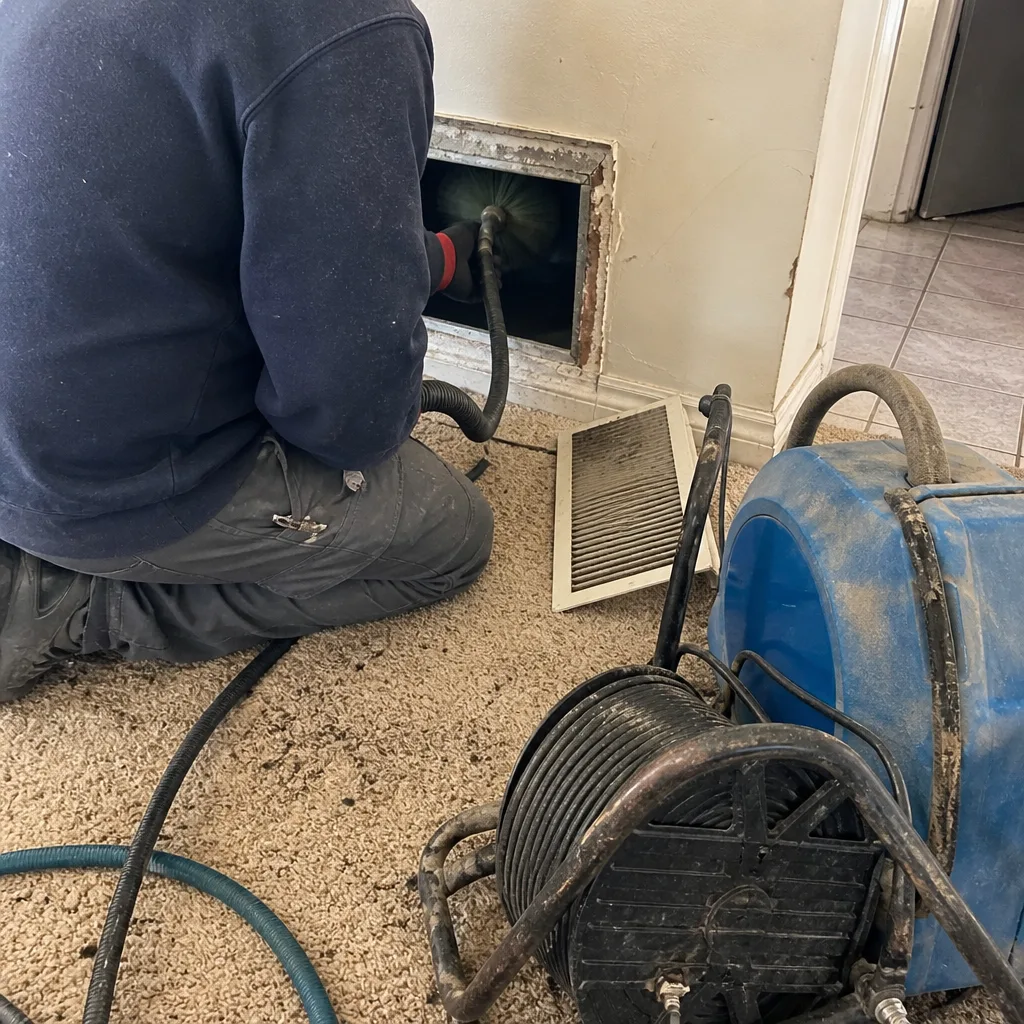
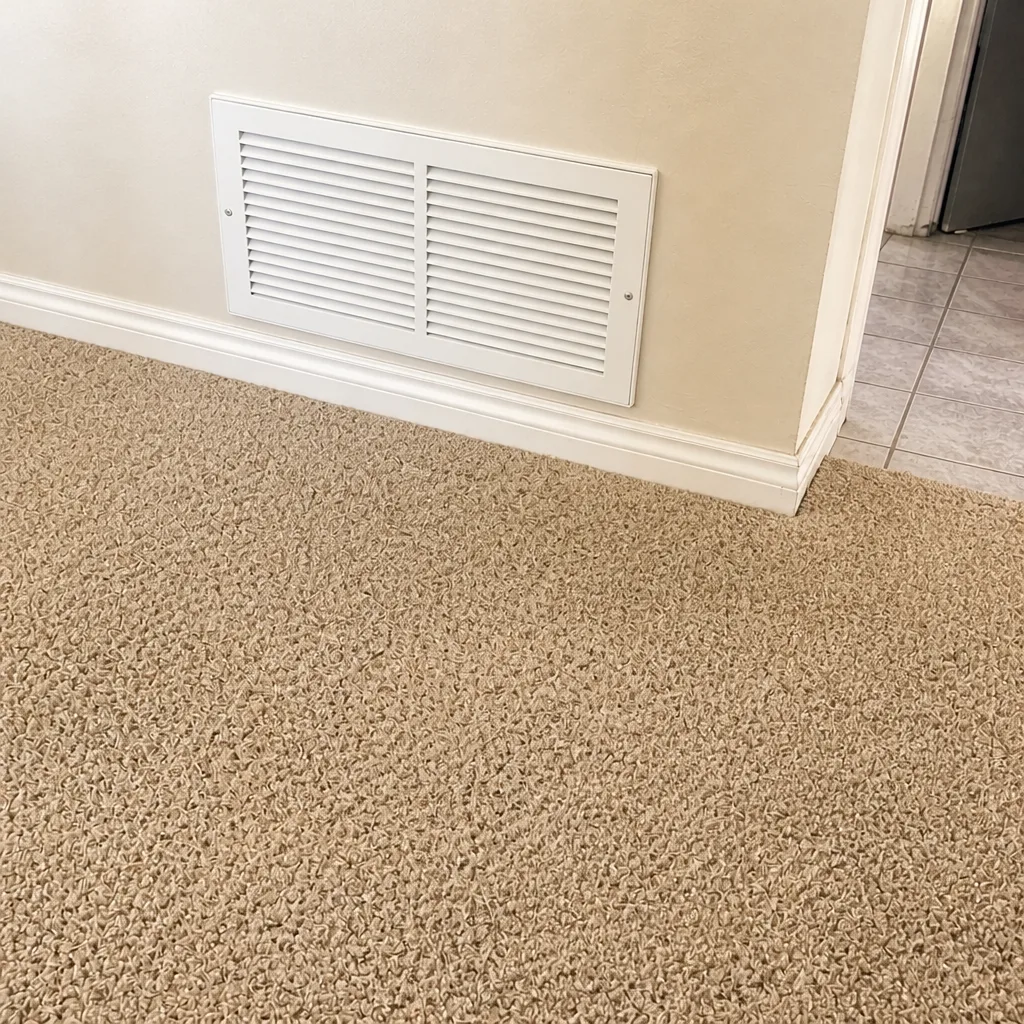
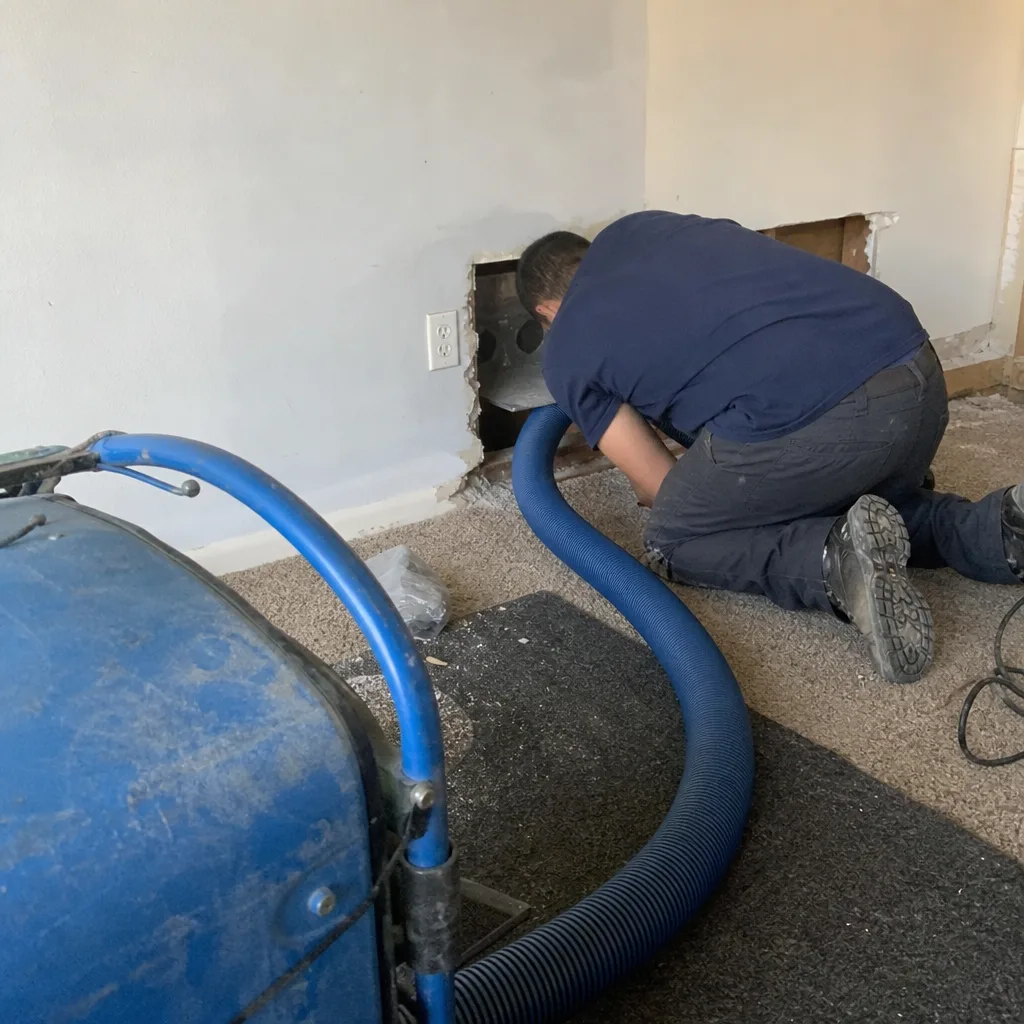
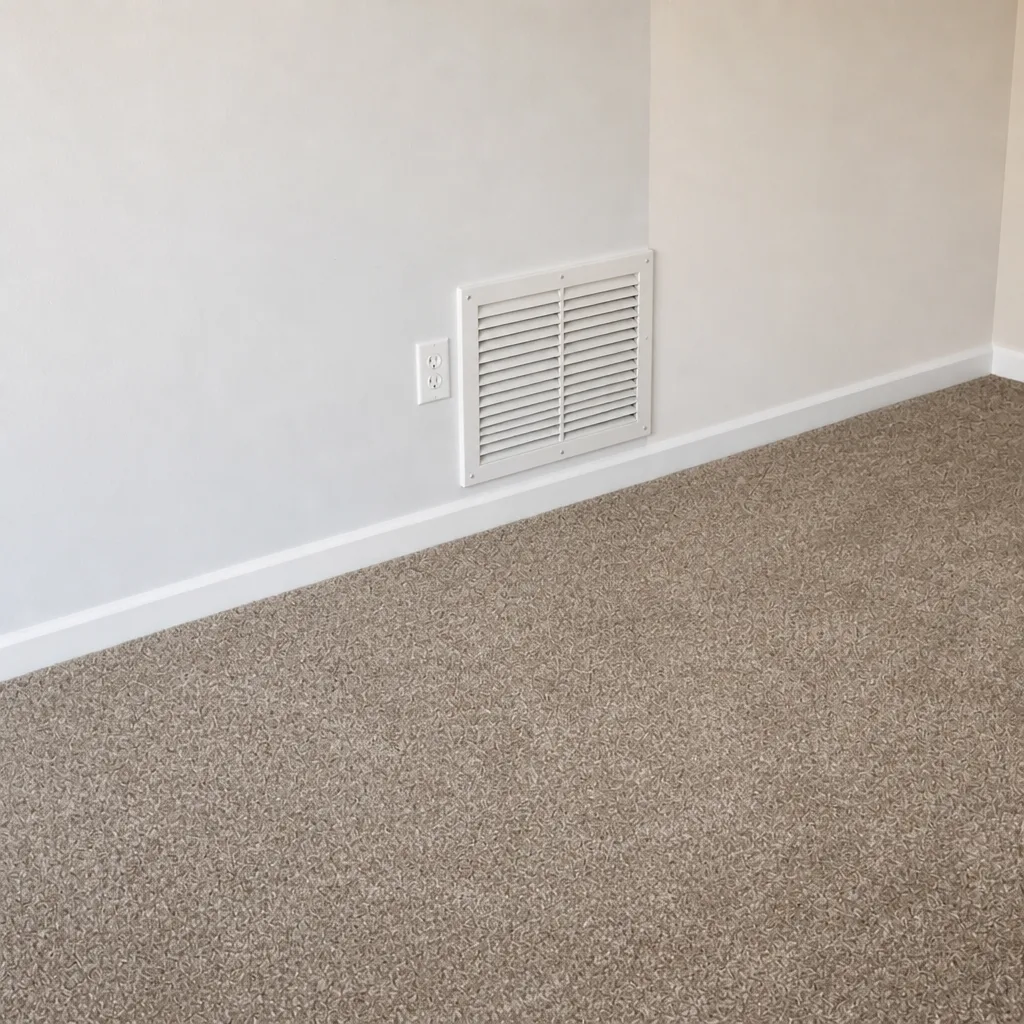
Whole-system duct and dryer vent check with before-and-after photos - you see exactly what came out of your vents
That "$99 whole-house special" is a bait ad - the real number appears once they are in your hallway, or the "clean" is a shop-vac at the register. We photograph the inside of your ducts before and after instead.
DIY vs Professional Air Duct Cleaning: The Commerce City Homeowner’s Decision Guide
Renting a duct vacuum from a hardware store and running it through your vents can leave your indoor air worse than when you started. Without proper negative pressure holding the system under vacuum, that suction stirs up debris trapped in trunk bends and pushes it into the living space instead of pulling it out. This guide breaks the job down task by task, because the honest answer isn’t “yes” or “no” to DIY. Some steps you can do well. Some things consumer equipment physically cannot accomplish. And a few DIY attempts make the problem measurably worse. Here’s the division, written for Commerce City homes.
Styles & brands we work with
- Whole-home duct cleaning
- Dryer vent cleaning
- Camera inspection
- Sanitizing & deodorizing
Quick Answer
You can handle the low-risk parts of duct maintenance yourself: register cleaning, accessible grille vacuuming, filter housing wipe-down, and dryer vent clearing with the right rotary brush kit. You cannot replicate the core mechanical cleaning without contractor-grade negative-air equipment, and a consumer vacuum can actually spread contamination into your rooms. For anything involving the full air pathway, damaged ducts, fiberboard liner, or suspected asbestos, hire a professional.
Table of Contents
- The Task-by-Task Divide: What You Can Do vs What You Can’t
- What a Commerce City Homeowner Can Legitimately Do
- Why the Core Cleaning Task Needs Contractor-Grade Equipment
- Where DIY Gets Especially Risky in Commerce City Homes
- The Cost-Benefit Calculation: DIY vs Professional
- The Hybrid Approach: Prep Work That Cuts the Bill
- Common Mistakes to Avoid
- When to Call a Professional
- Frequently Asked Questions
- The Bottom Line
The Task-by-Task Divide: What You Can Do vs What You Can’t
Most duct cleaning advice online falls into two camps: “just hire a pro” or a cheerful step-by-step that skips the equipment reality. Neither helps you make a decision. The useful approach is to split the job into its actual tasks and look at each one honestly.
Here’s how the work divides for a typical Commerce City home:
- Register and grille cleaning: DIY-friendly. Removing the covers and vacuuming the visible dust at each register is low-risk and does reduce surface buildup.
- Filter housing wipe-down: DIY-friendly. Wiping the return filter box and checking the filter fit is a maintenance task anyone can do.
- Dryer vent clearing: DIY-friendly with the right rotary brush kit, though the risk climbs with longer or more complex vent runs.
- Mechanical cleaning of the duct interior: Professional territory. This is where rotary brush agitation and negative-air extraction work together.
- Negative-pressure containment during cleaning: Professional territory. Consumer vacuums cannot hold a whole system under vacuum.
- Duct repair and sealing: Professional territory. Sealing requires identifying air-loss points and testing the finish.
- Sanitizing treatment: Professional territory when done to a whole-system standard.
- HVAC component cleaning: Professional territory. The blower, evaporator coil, and plenum need care that goes beyond a household vacuum.
That split is the whole guide in miniature. The value of professional air duct cleaning isn’t in the register vacuuming, which you can do. It’s in the mechanical cleaning and containment that consumer equipment can’t reach. Knowing which task is which keeps you from paying a professional to do what you could have done, or from trying to do what will make things worse.
What a Commerce City Homeowner Can Legitimately Do
Homeowners in Commerce City have real work they can do on their own system without hiring anyone. These tasks fall into the low-risk, high-value category: they don’t require vacuum pressure control, they don’t touch the mechanical duct interior, and they don’t risk damage. Done well and on a schedule, they reduce the load the professional cleaning has to carry.
- Register cleaning. Remove each supply and return register cover, wash it in warm soapy water, dry it fully, and vacuum the boot opening visible behind it. Do this at minimum twice a year, and again after any dusty project like drywall or sanding. Label the registers as you go so you know which is which.
- Accessible grille vacuuming. With a brush attachment on a household vacuum, run the wand over the grille face and the visible duct interior down to arm’s length. This is surface dust removal, not cleaning. Stop at the point where the duct bends out of sight.
- Filter housing wipe-down. Remove the filter, wipe the inside of the return filter box with a damp cloth, and check that the filter is seated correctly with no gaps around the edges. A filter that’s loose lets debris bypass the media entirely.
- Dryer vent clearing with a rotary brush kit. Consumer rotary brush kits reach short, straight vent runs effectively. Disconnect the vent from the back of the dryer, feed the brush through, and clear lint buildup. Check the exterior flapper while you’re there. If you have a long run, an elbow-heavy path, or a roof-terminating vent, leave it to professional dryer vent cleaning.
- Furniture clearance and register labeling. Move furniture off the registers and note where each duct terminates before a scheduled professional visit. This prep work is covered in more detail in the hybrid section below.
These tasks matter more than they look. Register and return cleaning reduces the visible dust that collects on surfaces, filter housing care keeps your media working, and dryer vent clearing lowers real fire risk. They don’t solve the duct-interior problem, but they’re a genuine contribution. The dry, dusty air that settles over Commerce City through summer makes register cleaning worth keeping on a calendar.
Why the Core Cleaning Task Needs Contractor-Grade Equipment
Here’s the counterintuitive part. Consumer duct vacuums and rented units have decent suction, but suction alone isn’t the mechanism that cleans a duct system. The mechanism is a controlled pressure differential, with all your registers closed off and one machine holding the whole system under negative pressure while a separate tool agitates the debris inside.
When negative pressure is properly maintained across the whole system, loosened debris has nowhere to go but the extraction unit. The system is under vacuum. Every opening pulls air toward the machine. Dirt, dust, and the settled layer on the duct walls move toward the extraction instead of into the rooms.
Consumer equipment can’t do that, because of three limits:
- No containment seals. A household vacuum can’t be sealed to every register at once. Open registers mean open air. The vacuum pulls from the easiest opening, not from the duct interior where the debris is.
- No mechanical agitation. Suction alone loosens surface dust. The compacted layer along duct walls, especially at trunk bends and joints, won’t release without physical agitation from a rotary brush. The brush rotates, contacts the duct wall, and dislodges the layer so the negative-air vacuum can pull it out.
- No air scrubbing. Professional jobs run air scrubbers near the work zone to capture any particles that drift. Without that capture, the loosened debris ends up in the air you breathe, not in a filter.
The professional setup uses a combination. On the Commerce City Air Duct Cleaning side, we use Rotobrush rotary brush systems to mechanically agitate debris off the duct walls, Nikro negative-air equipment to hold the system under vacuum and capture what’s dislodged, and Abatement Technologies air scrubbers to manage any airborne particles during the job. The same containment-grade equipment standard used in professional remediation work comes to a residential duct cleaning engagement.
That’s the honest equipment argument. It isn’t that homeowners are being discouraged from trying. It’s that the physics of debris mobilization require a pressure setup consumer gear can’t hold. A consumer vacuum pulls from the wrong place and, worse, can create a weak pressure differential that mobilizes debris without capturing it. The result is dirty air in the living space, not clean ducts.
Where DIY Gets Especially Risky in Commerce City Homes
Some Commerce City housing stock makes DIY duct work riskier than usual. These aren’t abstract concerns. They’re specific conditions that change what a homeowner should attempt and what they should leave alone.
Fiberboard duct liner. Some older systems use fiberboard as the interior liner of the trunk or plenum. It’s a soft, porous material, and aggressive contact tools damage it. A rotary brush run with the wrong pressure or at the wrong speed can fray the liner, which then becomes a source of loose fibers in the airstream. Once fiberboard is damaged, it isn’t a cleaning problem anymore, it’s a repair problem. Professional equipment includes pressure and speed controls that treat this material carefully. A rented consumer unit usually doesn’t.
Asbestos-containing insulation. Homes built or modified during the mid-twentieth century sometimes have insulation in the plenum or duct wrap that may contain asbestos. Disturbing it is the risk, not it sitting there. If the material around your ducts looks friable, crumbly, or unusual, stop before you touch it. Have it checked by a qualified professional first. No amount of careful vacuuming makes disturbed asbestos safe.
Dryer vent long runs and roof terminations. A short, straight dryer vent is manageable with a rotary brush kit. A long run with elbows, or a vent that terminates on a roof, is where DIY clearance leaves lint behind. Lint that stays in a hot dryer vent is a fire-risk problem. If your run is complex, professional service is the safer call.
Systems with recent water intrusion or visible growth. If you’ve had a leak near a duct, a musty smell that comes and goes with the HVAC cycle, or visible growth on the plenum interior, that’s remediation territory and not a home-vacuum job. This is where professional containment and air scrubbing matter most.
None of these conditions is common, but any of them means DIY isn’t the right approach. If you’re not sure what’s inside your duct system, that itself is a reason to get it looked at before you run a brush or a vacuum through it.
The Cost-Benefit Calculation: DIY vs Professional
The DIY case usually rests on the rental price of the vacuum. The fair comparison includes time, the rental itself, and the actual contamination reduction achieved. When you add those up, DIY often comes out closer to the professional cost than it looks, and with less result.
Here’s the honest version. Equipment rental for a consumer-grade unit typically costs somewhere in the range of a full tank of gas to a couple of tanks, depending on the store and rental length. Then there’s the time: a thorough DIY attempt on a whole house, done register by register with the tool you can reach, takes most of a day. And the result leaves the duct interior, the trunk lines, the plenum, and the HVAC components untouched.
Professional whole-system cleaning in Commerce City usually falls in the low-to-mid hundreds for a standard home, with larger or more complex systems costing more. The written estimate sets the exact price, and it’s set per job, not per vent. Compare that to:
- Rental cost for a consumer unit
- Your time for a full day of register-by-register work
- Contamination reduction achieved limited to the register boots and visible duct at each opening
- Risk of debris mobilization into the living space from an uncontrolled vacuum
The professional version covers supply and return ducts, HVAC components, dryer vents, and sanitizing treatment in a single engagement. The HVAC cleaning portion alone is work consumer equipment can’t touch. And the mechanical agitation and negative-air extraction reach the deposits that suction alone leaves behind.
For a lightly soiled system with clean ducts, DIY register work plus a periodic professional cleaning is a reasonable balance. For a system with visible dust discharge, musty smells, or reduced airflow, the professional version is the better use of the money, because DIY won’t reach the source of the problem.
The Hybrid Approach: Prep Work That Cuts the Bill
The smartest path for many Commerce City homeowners is neither pure DIY nor full-service-with-nothing-done-in-advance. It’s the hybrid: do the low-risk prep work yourself so the professional cleaning engagement is shorter and easier to price fairly.
Here’s the prep sequence, in order:
- Clear the furniture. Move furniture off each register and create clear floor access along the supply and return runs. Every minute a technician spends moving furniture is a minute added to the job.
- Label the registers. Number each supply and return with a piece of tape and a note of which room it serves. The technician can move faster through the system, and you get a clear map for future maintenance.
- Document the pre-cleaning condition. Take photos of each register, the filter, and any visible dust or staining on the return. This gives the technician a baseline and gives you a way to check that the work was actually done.
- Clean the registers and the filter housing. Wash the removable covers and wipe the return filter box. This removes the surface dust that would otherwise be pushed back into the air when the duct cleaning begins.
- Replace the filter. A fresh filter at the start of the cleaning means the system runs clean afterward without old media recontaminating the air.
- Clear the dryer vent area if you’re having the vent done. Access to the back of the dryer and the exterior termination makes the job straightforward.
This prep work is genuinely useful and doesn’t require any equipment. It does not cover the mechanical duct cleaning itself, and you shouldn’t try to shorten a professional job by doing part of the cleaning. The prep is loading the dishwasher, not the wash cycle. If you have a Honeywell or Aprilaire whole-home air quality system, note what model you have while you’re checking the filter box. The technician can speak to filtration and humidity control beyond the ducts, and those details make any recommendation more useful.
Common Mistakes to Avoid
These are the mistakes we see most often when homeowners try to handle duct cleaning themselves:
- Running a consumer vacuum into the duct interior. It stirs up debris without capturing it. The pressure differential pulls from the wrong opening and creates a dust problem in the home instead of solving one. A rented consumer unit does the same thing unless it’s properly sealed and paired with negative-air extraction.
- Assuming “vacuumed the vents” equals “cleaned the ducts.” Register vacuuming reaches the visible boot opening. The trunk lines, the plenum, and the HVAC components are untouched, which is where a large share of the contamination lives.
- Using a rotary brush on fiberboard liner. Older Commerce City homes sometimes have fiberboard liner inside the trunk. Aggressive contact tools damage the liner, and a damaged liner becomes a source of loose fibers in the airstream. Professional equipment controls pressure and speed to protect the material.
- Ignoring a musty smell or visible growth. A smell that comes and goes with the HVAC cycle points to something growing inside the system. That’s remediation territory, not a home-vacuum job, and needs containment and air scrubbing to handle safely.
- Skipping the dryer vent because the duct cleaning is done. The dryer vent is a separate run with its own fire risk. If you’re not clearing it with a rotary brush kit, it needs professional attention independent of the duct cleaning.
- Not labeling the registers before the visit. Unlabeled registers add time to a professional job and cost you money. Five minutes of tape and a marker before the visit is well spent.
- Trusting a low advertised price without a written estimate. A low teaser price that becomes a much larger invoice once the technician is on site is the industry’s bait-and-switch pattern. Ask for a written per-system price before the work starts.
Each of these is avoidable with a bit of knowledge. If your system matches one of the riskier scenarios, that’s a sign to hire a professional rather than a signal to try harder at the DIY path.
When to Call a Professional
Some situations clearly call for professional service. Visible dust discharge from registers during furnace or AC operation, a musty smell that comes and goes with the HVAC cycle, reduced airflow you’ve confirmed isn’t a filter or blower issue, and any visible growth or recent water intrusion near the duct system are all signals that DIY won’t do the job.
Systems with fiberboard duct liner, or any insulation in the plenum area that looks friable or unusual, should be evaluated by a professional before anyone touches them. Dryer vents with long runs, multiple elbows, or roof terminations are also professional territory, because leaving lint behind is a fire risk. And a property manager handling multiple units will always save with a single scheduled professional service over piecemeal DIY attempts across a portfolio.
Commerce City Air Duct Cleaning offers free estimates in Commerce City. Call (877) 492-4447. The estimate is free, the price is set per job by the written estimate, and it’s the same flat price per system agreed before work starts. You’ll get before-and-after photos of your own ducts, so you can see what was actually done. Our technicians have up to 14 years of experience.
Frequently Asked Questions
You can handle the low-risk parts yourself, including register cleaning, accessible grille vacuuming, filter housing wipe-down, and short dryer vent clearing. You can’t replicate the mechanical duct cleaning without contractor-grade negative-air equipment, and a consumer vacuum can push debris into the living space instead of extracting it. For anything beyond registers and filters, hire a professional.
Because suction without proper negative pressure mobilizes debris instead of capturing it. A consumer vacuum pulls from the easiest opening and creates a weak pressure differential that loosens settled dust without pulling it into the machine, so the debris ends up in the air you breathe. Professional equipment holds the whole system under vacuum so loosened debris has only one path: into the extraction unit. Call (877) 492-4447 for an exact quote. The estimate is free.
Professional whole-system cleaning in Commerce City typically falls in the low-to-mid hundreds for a standard home, with larger or more complex systems costing more. The written estimate sets the final price, and it’s set per job, not per vent. Call (877) 492-4447 for an exact quote. Estimates are free.
Low advertised prices are usually a teaser that becomes a larger invoice once the technician is on site, or a blow-and-go run that leaves the duct interior untouched. A fair price covers the full air pathway, including supply and return ducts, HVAC components, and containment during the work. Ask for a written per-system price before the work starts so the final invoice matches what you were quoted. Call (877) 492-4447 for an exact quote.
Ask for before-and-after photos of your own ducts, not stock images. A professional job also comes with a documented scope: which ducts were cleaned, which HVAC components were serviced, and whether the system was tested after any repair and sealing. Before-and-after photos of your own ducts are the simplest way to verify the work happened. Call (877) 492-4447 for an exact quote. Estimates are free.
Most homes benefit from professional cleaning every few years, not every year, unless there’s a specific trigger like dust discharge, musty odors, or a recent renovation. The dry, dusty air that settles over Commerce City through summer makes register and filter maintenance worth keeping on a regular schedule, but the duct interior usually doesn’t need yearly cleaning. Call (877) 492-4447 for a free estimate on your specific system.
The Bottom Line
DIY duct cleaning isn’t a yes-or-no question. Register cleaning, grille vacuuming, filter housing wipe-down, and short dryer vent runs are household tasks you can do well. The mechanical cleaning of the duct interior, negative-pressure containment, HVAC component servicing, and duct repair and sealing require contractor-grade equipment that consumer units can’t replace, and a consumer vacuum can make contamination worse by mobilizing debris without capturing it.
If you’re in Commerce City and want an honest assessment of which category your system falls into, Commerce City Air Duct Cleaning offers free estimates in Commerce City. Call (877) 492-4447. We answer 24/7. Fast dispatch from 7am to 7pm, Sunday through Friday. The estimate is free, the price is set per job by the written estimate, and you’ll see before-and-after photos of your own ducts so you know exactly what was done.
Written by the team at Commerce City Air Duct Cleaning.
See the difference
 Before
 After
 Before
 After
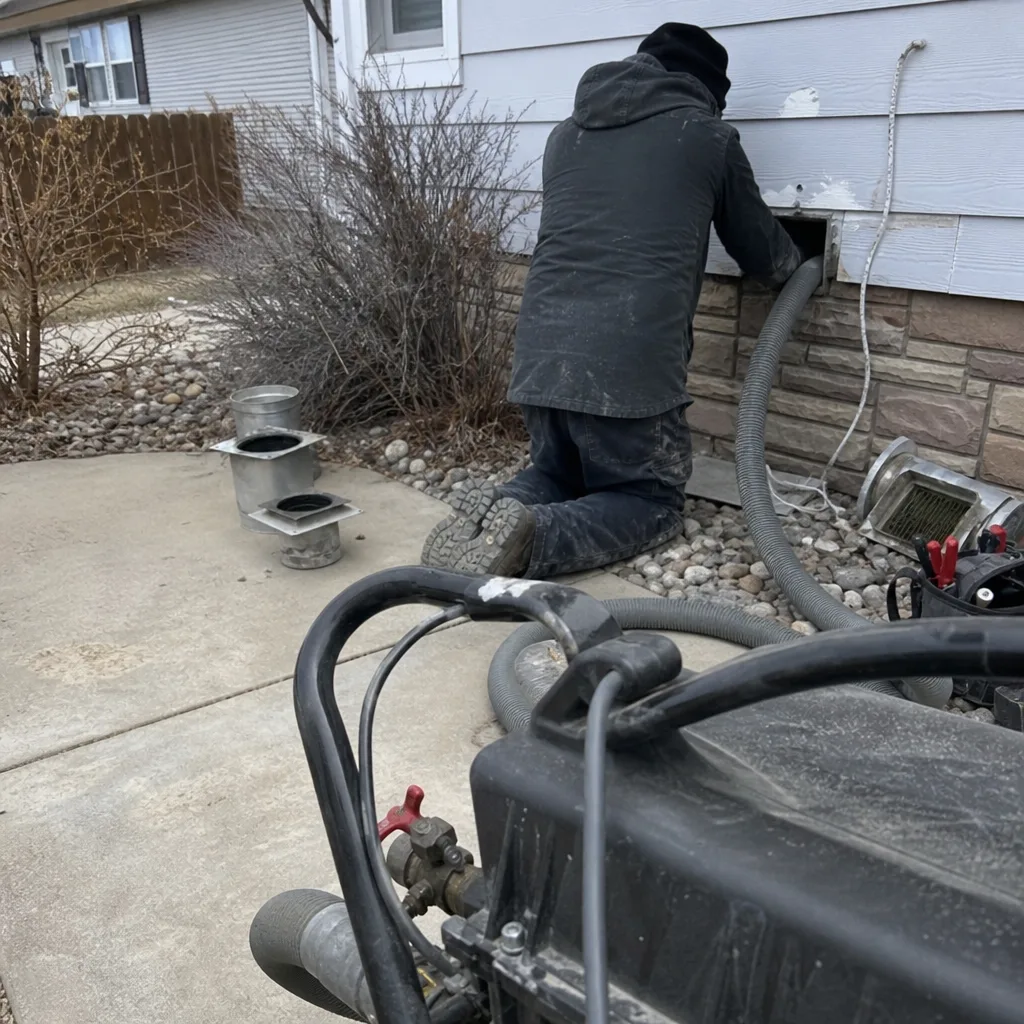 Before
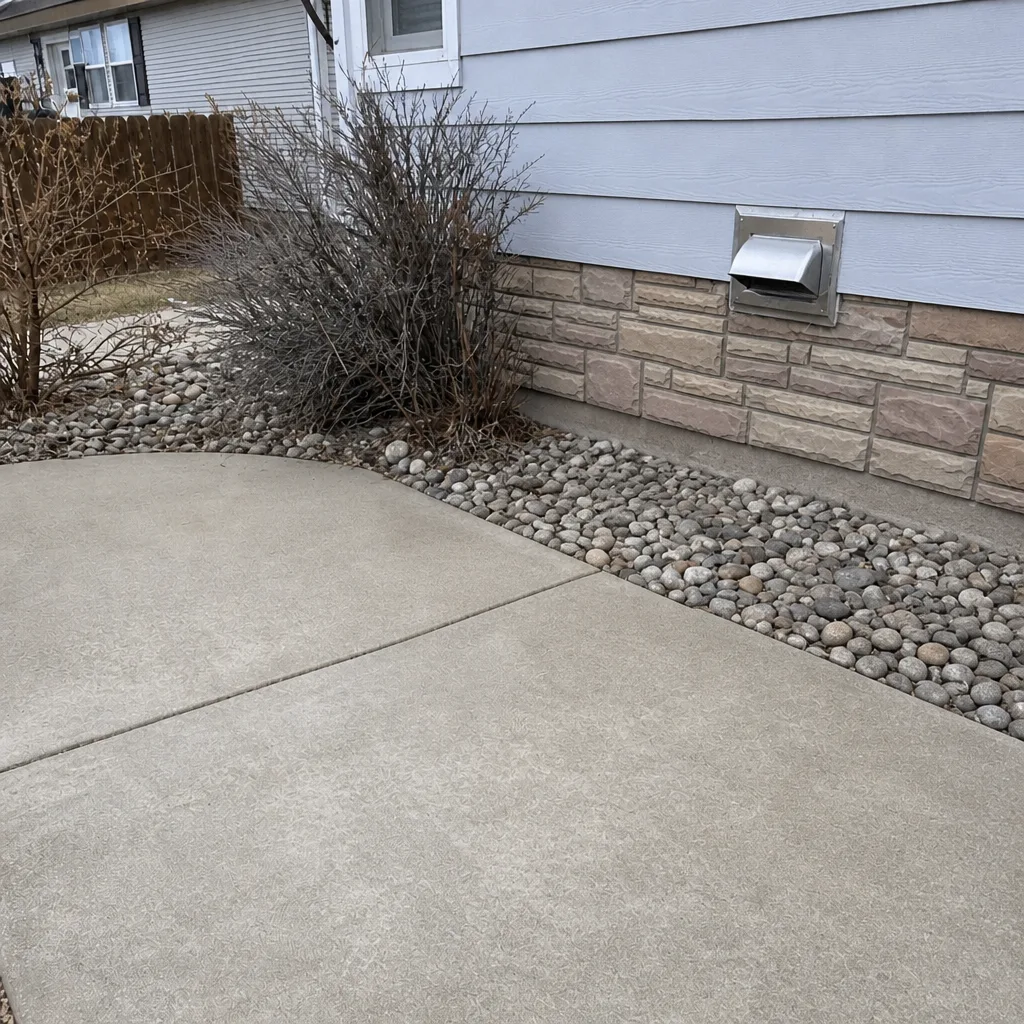 After