
Last updated November 25, 2026
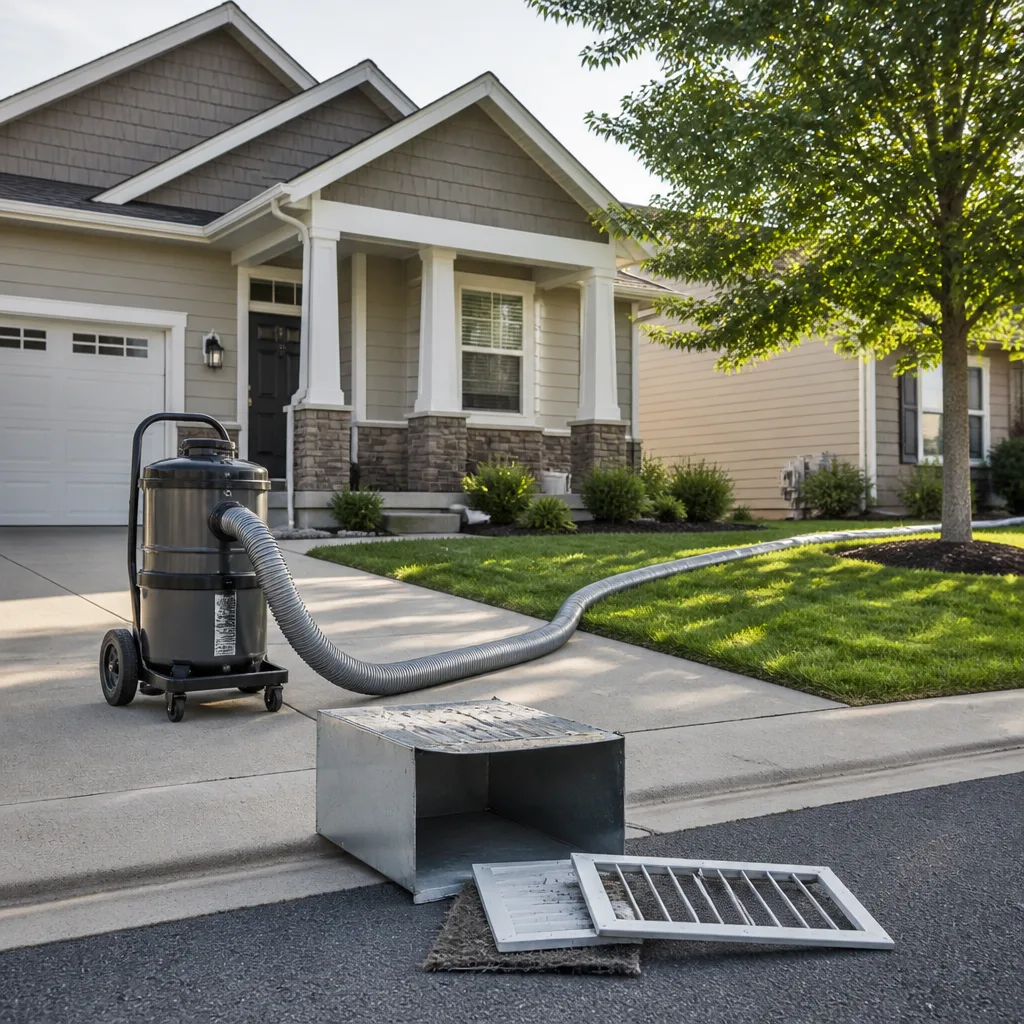 Whole-home duct cleaning
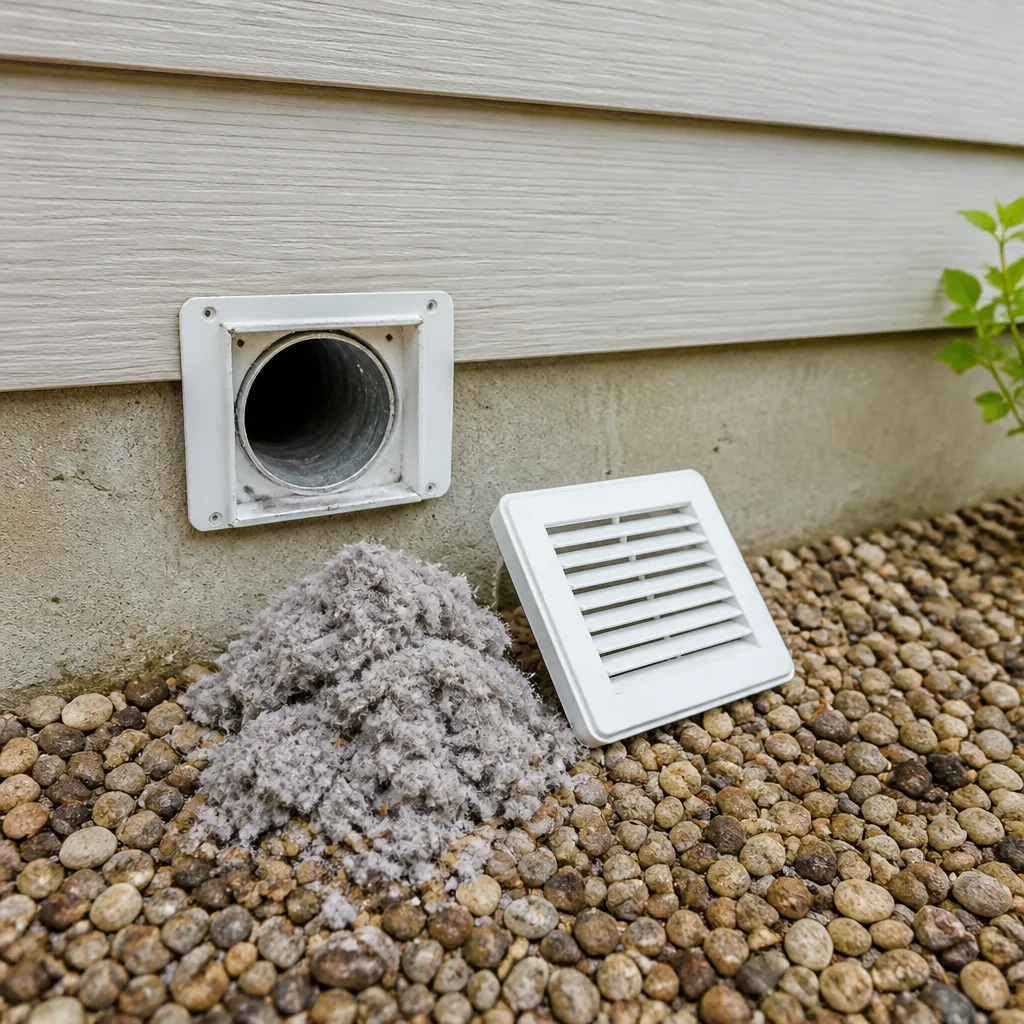 Dryer vent cleaning
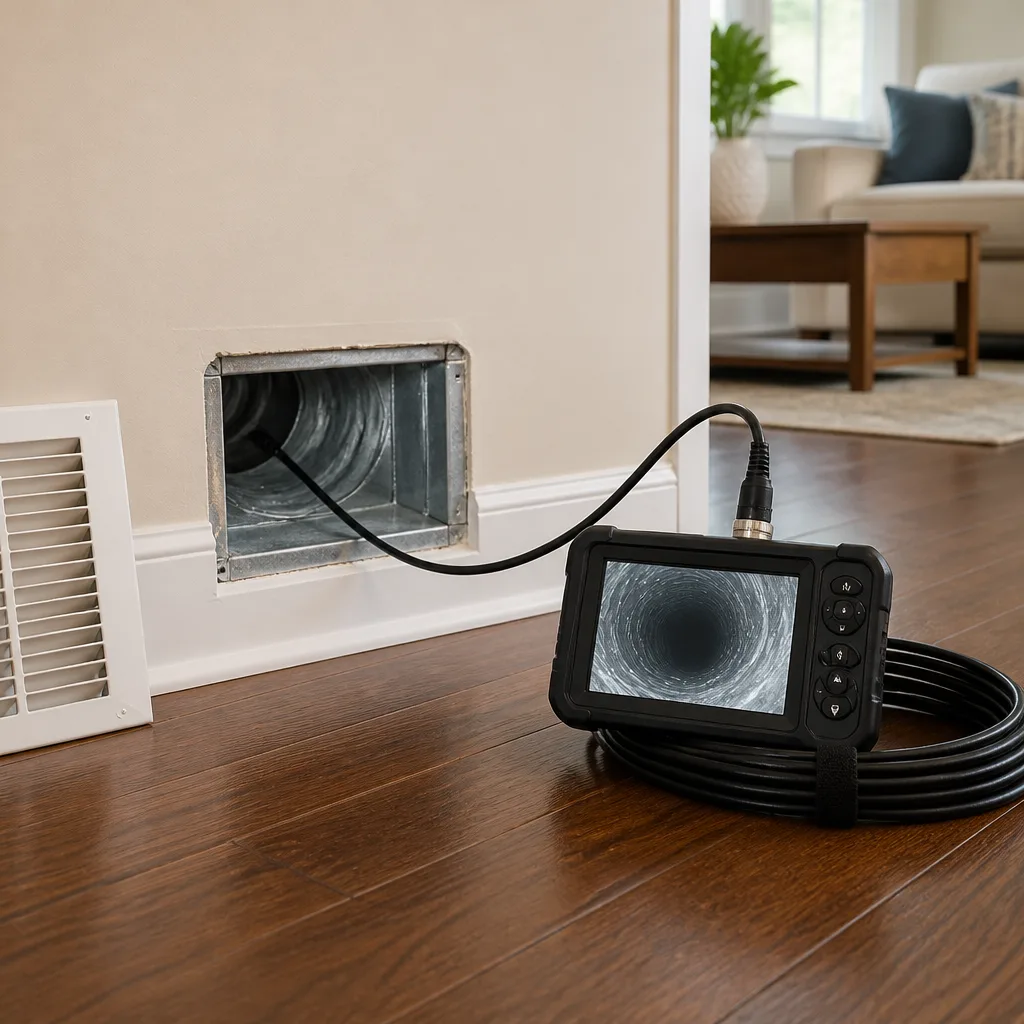 Camera inspection
 Sanitizing & deodorizing
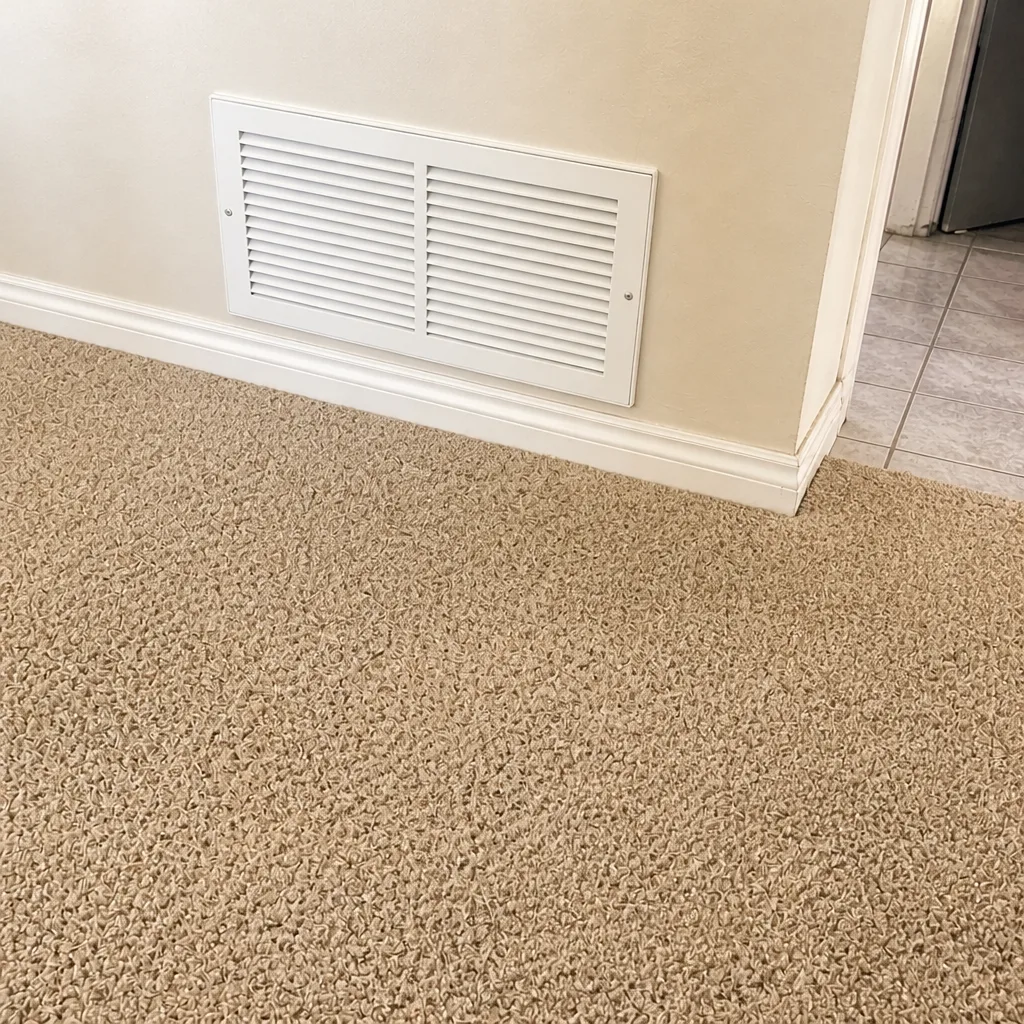
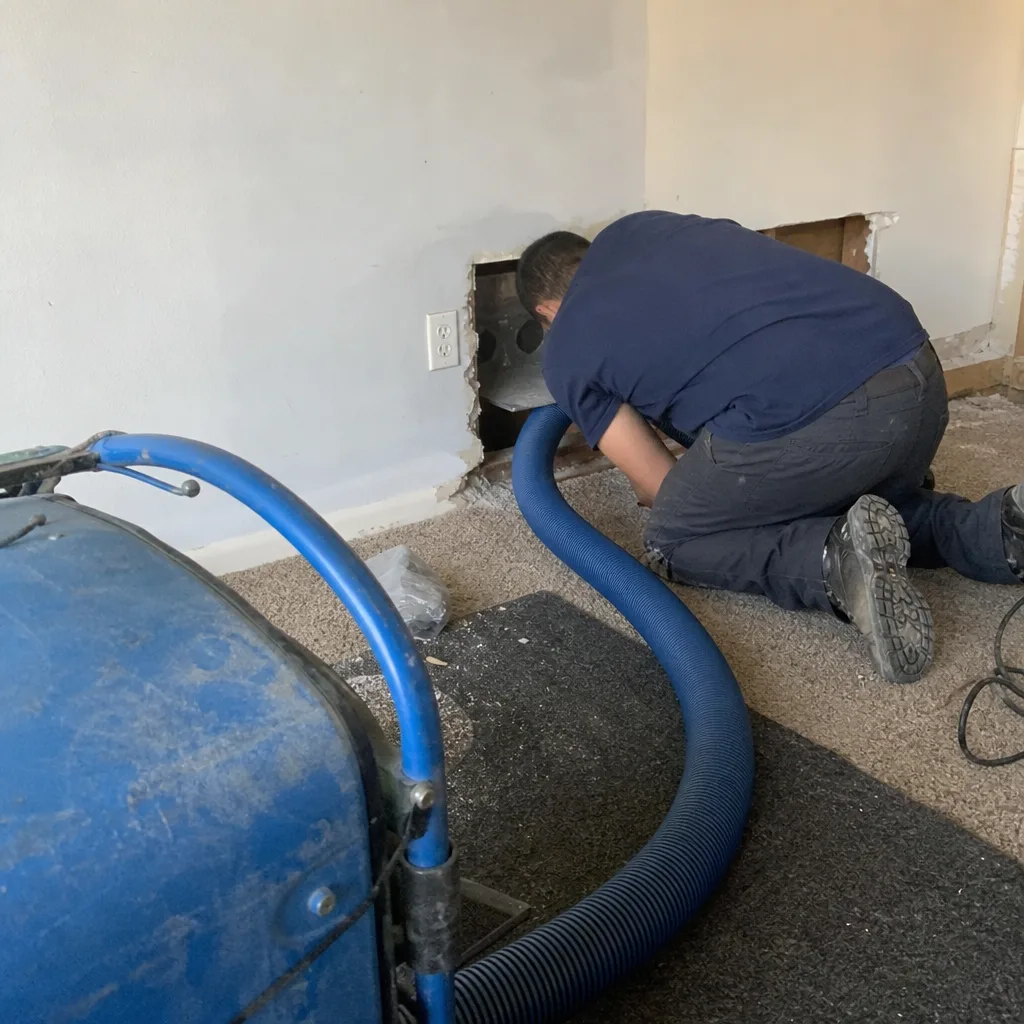
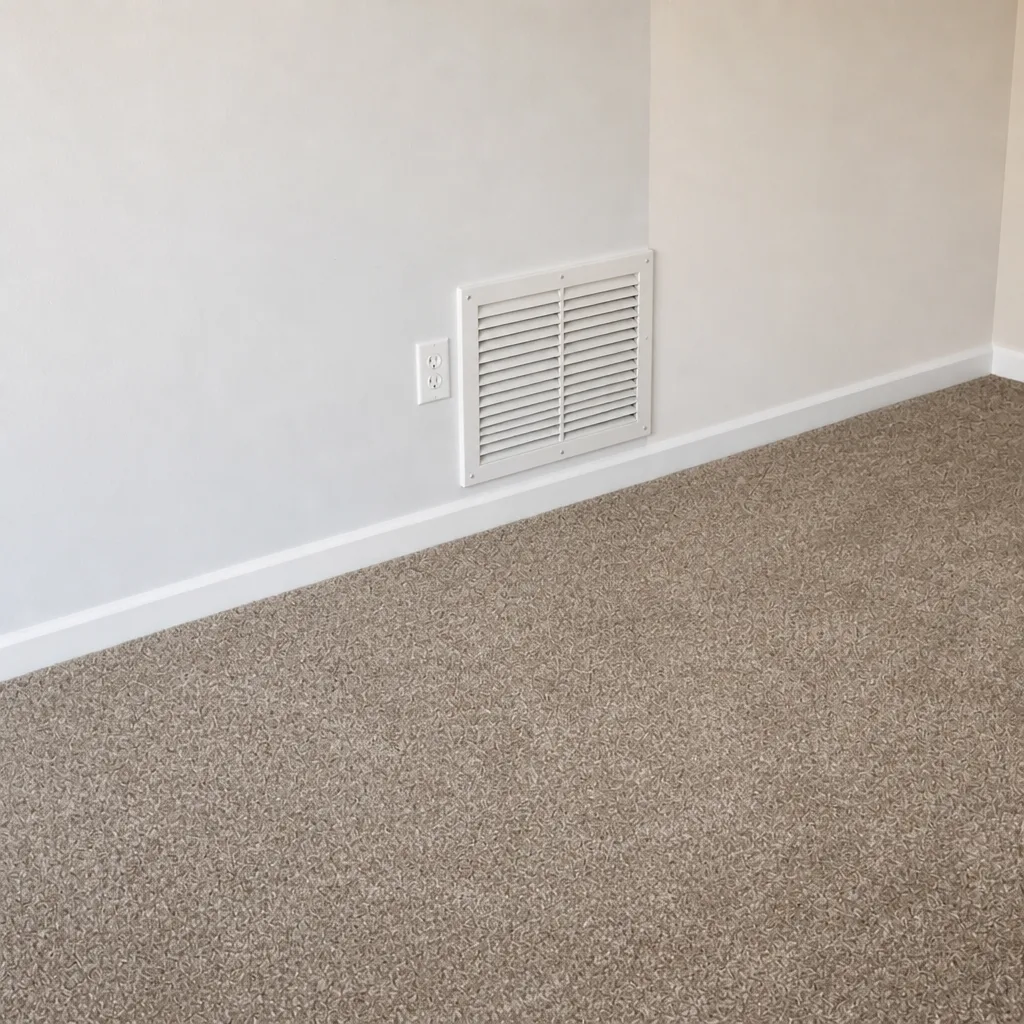
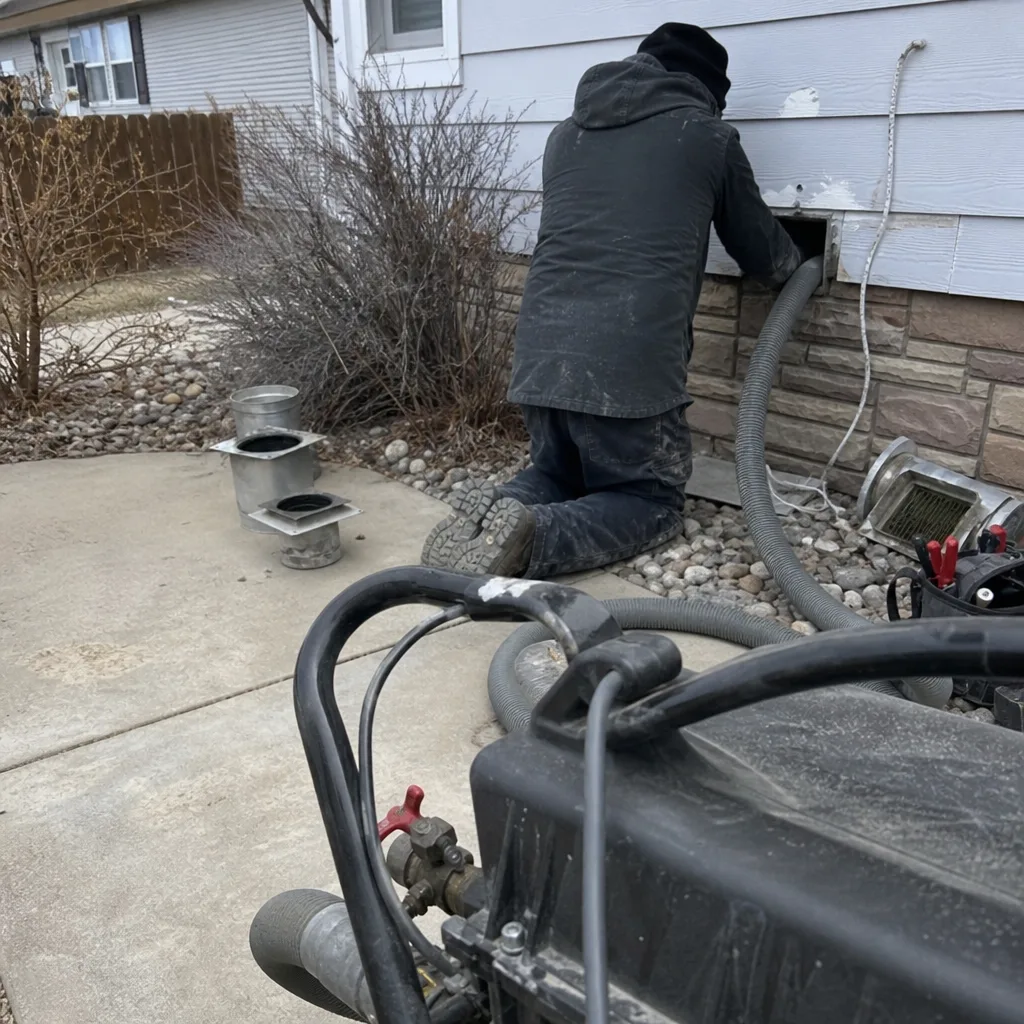
Whole-system duct and dryer vent check with before-and-after photos - you see exactly what came out of your vents
That "$99 whole-house special" is a bait ad - the real number appears once they are in your hallway, or the "clean" is a shop-vac at the register. We photograph the inside of your ducts before and after instead.
Seasonal Air Duct Cleaning Care for Commerce City: Year-Round Homeowner’s Guide
Most homeowners here schedule a duct cleaning in spring because that’s what the calendar says everyone does. That timing is backwards. Spring cleaning happens before Commerce City’s peak wildfire smoke season, not after it, so the ducts you just cleaned spend late July and August pulling in exactly the fine ash and combustion particles you paid to remove. The same mismatch shows up in every season: winter heating bakes debris onto coil surfaces, dry air changes how particles cling inside the ducts, and summer duct joints loosen before the furnace ever runs again. This guide lays out a Commerce City service calendar built around when each kind of damage actually happens, with specific triggers instead of arbitrary months.
Quick Answer
In Commerce City, duct cleaning is best timed to the contamination event, not the calendar quarter: a post-wildfire-smoke cleaning in late summer or early fall, a pre-heating inspection in fall, and a post-heating coil and blower check in spring. Homeowners with pets, recent remodeling, or visible dust at the vents often need a full-system cleaning more than once a year, while others can stretch to every two to three years with good filtration. The rest of this guide gives you the triggers to know which group you’re in.
Styles & brands we work with
- Whole-home duct cleaning
- Dryer vent cleaning
- Camera inspection
- Sanitizing & deodorizing
Table of Contents
- Why Duct Cleaning Timing Matters More Than Frequency in Commerce City
- Spring: Post-Heating Inspection and Pre-Cooling Prep
- Summer: Wildfire Smoke, Return Air, and Filter Strategy
- Fall: Pre-Heating Priorities Before the Furnace Runs
- Winter: Dry Air, Static, and Combustion Safety
- Building Your 12-Month Commerce City Service Calendar
- What You Can Check Yourself and What Needs Equipment
- Signs Your Ducts Need Attention Now, Not Later
Why Duct Cleaning Timing Matters More Than Frequency in Commerce City
Commerce City sits on the eastern edge of the Denver metro where the plains meet the foothills, and that geography drives a wind pattern that pushes dust and pollen across the metro on a fairly regular basis. Add wildfire smoke that drifts in most summers and a heating season that runs long, and you get an air pathway that sees several different kinds of stress in a single year. Each one deposits debris differently and each one calls for a different response.
Wind-driven dust is coarse and settles in return grilles and the first few feet of return trunk. Wildfire smoke is fine particulate that travels further into the system and coats blower wheels and coil fins. Heating-season operation pushes warm, dry air through the ducts for months, and that heat cures dust onto metal surfaces so it bonds rather than sits loose. When a contractor vacuums a system in a single generic visit, some of that bonded material survives the cleaning because the equipment never agitated it.
That’s why we don’t treat duct cleaning as a once-a-year checkbox. We treat it as a response to what the system has actually been through. A home near the Rocky Mountain Arsenal Wildlife Refuge that gets steady wind exposure has different accumulated debris than a newer build along the Tower Road corridor with a tight envelope and few pets. Same city, different calendar.
The other piece is the full air pathway. Supply and return ducts, the blower compartment, the evaporator coil, the dryer vent, and any whole-home air quality components all interact. Cleaning one without inspecting the others gives you a false sense of a clean system. When you’re ready to look at the whole pathway, Commerce City Air Duct Cleaning works from the coil back through the supply runs so nothing gets skipped.
Spring: Post-Heating Inspection and Pre-Cooling Prep
Spring is the season most homeowners clean their ducts, and there’s a real reason for it: the heating season just ended and the system holds a full winter’s worth of debris. But the value of a spring visit is less about the duct vacuuming and more about what gets inspected while the system is still accessible and before cooling season starts.
- Blower wheel inspection. A blower wheel collects a fine paste of dust that hardens over a heating season. An out-of-balance or loaded blower wheel fights the motor and cuts airflow long before anything feels wrong.
- Coil face and fin inspection. The evaporator coil is about to run for months. Starting the cooling season with a dusty coil means the system works harder for less cooling all summer.
- Return grille and filter track. Winter dust and pet hair collect at the return openings. Cleaning the tracks and grilles before cooling season keeps that debris from being pulled straight into the coil.
- Duct joint and seam check. Expansion and contraction through a long heating season loosens tape and mastic at the joints. Loose joints leak conditioned air and let dust back in.
- Filter upgrade timing. Spring is when you raise filtration if you run a higher-MERV filter for cooling season, since a loaded filter restricts airflow right when the system needs it most.
Our technicians have up to 14 years of experience, and the pattern they see most is a system that “worked fine” all winter and then can’t keep up in June. That’s usually a coil or blower issue that a spring inspection would have caught. When we clean a duct system, we mechanically agitate the debris with a Rotobrush rotary brush and capture it with Nikro negative-air equipment so it leaves the system instead of settling back onto the surfaces. If you want the full-system version of a spring visit, the details are on our air duct cleaning page.
Summer: Wildfire Smoke, Return Air, and Filter Strategy
Wildfire smoke is the single biggest seasonal contaminant event of the Commerce City year, and it enters a home through the air pathway, not just open windows. When smoke is in the air and the system is running in cooling mode, the return air side acts as a siphon. Every return grille pulls outdoor smoke indoors through the envelope gaps and the return system, and the fine particulate deposits on the blower wheel and coil face.
That’s why the cleaning that matters most for a smoke-heavy summer happens after the smoke, not before it. A spring cleaning is still worthwhile for coil and blower reasons, but if we clean in April and the smoke arrives in July, the system ends the summer in worse shape than it started.
Filter strategy during smoke events
Filter rating escalation is the tool that buys you time during a smoke event, with a limit. Raising MERV slows the system’s ability to move air, and on a system with a fixed-speed blower that restriction can show up as reduced cooling and, in some cases, a frozen coil.
- Confirm the maximum MERV your furnace or air handler supports. The spec is usually on the data plate or in the manual, not on the filter package.
- Step up one rating at a time rather than jumping to the highest available filter, and give the system a day to tell you whether it’s happy.
- Check the filter more often during smoke events because the particulate load in the air is higher than baseline.
- Watch for the telltale signs of over-restriction: long cooling cycles, weak airflow at the registers, or ice forming on the refrigerant line.
- Close outdoor air intakes on a fresh-air or economizer system during smoke events, then reopen them when air quality improves. A system without outdoor intakes doesn’t need this step.
Our working knowledge of Honeywell and Aprilaire whole-home air quality systems means we can talk intelligently about filtration and humidity control beyond just the ducts. An Aprilaire media cabinet with a properly sized filter handles smoke events far better than a thin filter slot with a mismatched filter jammed into it.
Fall: Pre-Heating Priorities Before the Furnace Runs
Fall is the highest-value inspection of the year because the furnace is about to run for months, and anything sitting near the combustion zone or the heat exchanger is a real concern. This is a service window, not just a convenience.
- Heat exchanger proximity to dirty surfaces. A dusty blower compartment or a clogged return right next to the heat exchanger puts debris in the path of combustion-side heat. A technician should be looking at the heat exchanger itself before the heating season, not after.
- Humidifier scale buildup. A bypass or whole-home humidifier that ran all last winter likely has scale on its pad, tray, and water line. Scale cuts its output and changes how the whole system moves moisture.
- Duct joint expansion after summer. Summer heat and cooling season cycling work tape and mastic joints loose. Fall is when to seal those joints and re-test airflow.
- Cracked heat exchanger check. This is a technician job, and it should happen before the system runs continuously. Carbon monoxide risk goes up when debris and dust have been sitting next to the exchanger all summer.
- Dryer vent inspection. Fall is a good time to clear the dryer vent before the heavier indoor laundry season. A clogged dryer vent is a fire risk whether or not it looks like one from outside.
Duct repair and sealing is often what turns a fall inspection into a real improvement. Cleaning a system but leaving the joints leaking means dust comes back in and conditioned air escapes, so the surfaces get dirty again faster than they should. We seal the joints and then verify the finish rather than stopping at the patch. The full scope is on our HVAC cleaning page if your furnace and cooling side both need attention at the same time.
Winter: Dry Air, Static, and Combustion Safety
Colorado winters are dry, and that dryness changes how particles behave inside a duct system. Static electricity builds up on plastic-lined flexible duct and on the surfaces of filter boxes, and fine dust that would otherwise stay suspended gets pulled to duct walls and stays there. That dust layer is stable in winter air and gets released only when the system runs hard in the spring or when a technician agitates it with the right equipment.
Winter is also the season where carbon monoxide risk gets serious, and debris near the combustion zone matters. A dusty furnace compartment, a blocked return near the furnace, or a humidifier pad that’s grown scale all change how the system burns and how thoroughly exhaust gases get vented. If your furnace exhaust or condensate lines are near a dirty area, that’s a reason to schedule a winter inspection rather than wait for spring.
What to check in winter, in order
- Carbon monoxide alarms on every level and near sleeping areas, tested monthly with a fresh battery.
- The filter and the filter housing, since a loaded filter changes the pressure on the heat exchanger and the burner.
- The condensate line and drain if you have a high-efficiency furnace, and the humidifier water line if you have one.
- The return air grilles and the register surfaces for visible dust, which tells you whether the winter dust layer is building up.
- The dryer vent termination on the exterior of the home, checked with the machine off.
If you notice musty odors, rattling, or reduced heat output during the heating season, don’t wait for spring. A winter inspection is cheaper than a no-heat emergency. For a dedicated dryer vent visit, our dryer vent cleaning page spells out what that service covers and why it’s a fire-safety service rather than a dryer efficiency add-on.
Building Your 12-Month Commerce City Service Calendar
Every guide will tell you to service your ducts “every year.” That’s a frequency, not a plan. A real Commerce City calendar is built around actions and triggers so you schedule based on the home and the season rather than the month name.
- Late summer / early fall cleaning when there has been meaningful wildfire smoke in the air during the cooling season. This is the “post-event” cleaning that most homeowners skip.
- Spring coil and blower inspection after the heating season ends, with cleaning if the coil face or blower wheel is visibly loaded.
- Fall pre-heating inspection before the furnace runs continuously, including a heat exchanger and combustion-side look.
- Filter changes driven by pressure drop or by the manufacturer’s recommended interval, not by memory.
- Dryer vent service on the trigger of a longer dry time, a hot exterior wall behind the dryer, or a visible lint plume at the termination.
- Duct joint resealing whenever a joint test shows measurable leakage, not on a fixed schedule.
We don’t split the year into equal quarters because a Commerce City duct system doesn’t think in quarters. It thinks in events: smoke season, heating season, the long dry stretch between, and the post-season dust that comes with each. If you want us to help you put a calendar together, Commerce City Air Duct Cleaning can review the system and the home and propose triggers specific to both.
What You Can Check Yourself and What Needs Equipment
You can handle more of this than you’d think, as long as you stay out of the parts that can hurt you.
Safe for a homeowner
- Registers and return grilles: remove and clean with a vacuum and a damp cloth.
- Filters: inspect, replace on a schedule, and check the filter track for gaps.
- Exterior dryer vent termination: check with the dryer off that the flapper moves and there’s no lint plume.
- Carbon monoxide alarms: test and confirm placement.
- Visual check of duct joints in accessible basement or attic runs for loose tape or mastic.
Needs a trained professional
- Anything past the first few feet of a duct run. Ducts have turning vanes, offsets, and flex sections that a shop vac can’t reach without damaging them.
- Inside the blower compartment or the coil housing. Electricity is live in the compartment until the disconnect is pulled, and the blower is sharp.
- The heat exchanger and the combustion side. This is a carbon monoxide risk and needs the right inspection equipment.
- Duct sealing and testing. A visual patch is not the same as a sealed, airflow-verified joint.
- Dryer vent cleaning beyond the first few feet. The fire risk lives deeper in the run, where lint packs around elbows and behind the termination.
The professional side is what the equipment and the technique are for. Rotobrush rotary brush systems are designed to agitate the caked-on debris without damaging duct walls; Nikro negative-air captures what the brush loosens; Abatement Technologies air scrubbers and containment gear keep the work area clean during the job. That combination is what separates a mechanically cleaned system from a blow-and-go visit.
Signs Your Ducts Need Attention Now, Not Later
Some signs are worth acting on before your next scheduled service.
- Visible dust at the registers within a week of cleaning them. That usually means debris is being pushed out of the supply side, not just settling on the surface.
- Musty or stale odors from a supply register when the system starts. That’s typically organic growth, and cleaning alone may not be enough if a sanitizing treatment is needed.
- Reduced airflow in one room while other rooms stay fine. Loose duct joints, a disconnected flex run, or a crushed section can all cause a single-room drop.
- Allergy symptoms that get worse when the system runs. Correlate with the calendar instead of guessing; the season tells you a lot.
- Uneven heating or cooling between floors. That’s an airflow issue, and cleaning alone rarely fixes it. A duct sealing visit usually does.
- Dryer taking significantly longer than it used to. That’s a dryer vent signal, and it’s a fire risk if the vent run is packed.
- A new pet, a recent remodel, or a flood. All three are event triggers that warrant an inspection even if your calendar says you’re not due.
Common Mistakes to Avoid
- Cleaning in spring and assuming that covers the year. In Commerce City, the smoke arrives after spring cleaning, so the debris that matters most lands after the cleaning you already did.
- Treating filter MERV as “higher is better.” A restrictive filter on a system designed for a lower rating costs airflow, and a restricted coil can freeze. Match the filter to the equipment spec.
- Skipping the return air side. A blow-and-go operator will vacuum the supply registers and call it a day. The return system and the grilles are where the dust and lint actually sit.
- Patching a duct joint and calling it sealed. A patch without a joint test and an airflow check means you don’t actually know whether the leak is fixed.
- Cleaning the ducts but leaving a dirty blower wheel and coil. The ducts get clean, the air pathway doesn’t. Airflow and indoor air quality both depend on the parts the ducts connect to.
- Ignoring the dryer vent because the dryer “works fine.” A dryer vent fire risk builds silently and isn’t visible from the appliance end until it’s serious.
- Hiring on price alone. A low bid usually means a smaller team, less equipment, and a short visit. Ask what equipment they run and how they capture the debris. If the answer is vague, the cleaning probably will be too.
See the difference
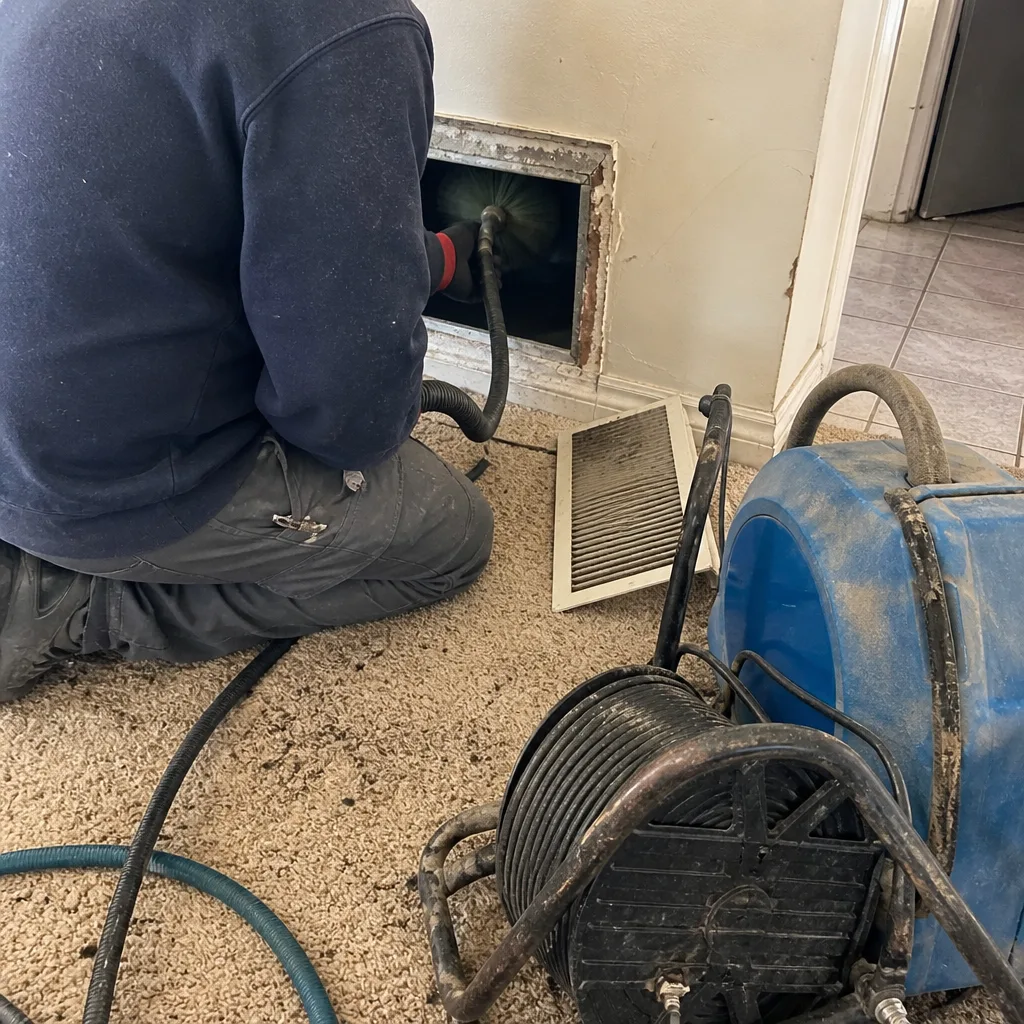 Before
 After
 Before
 After
 Before
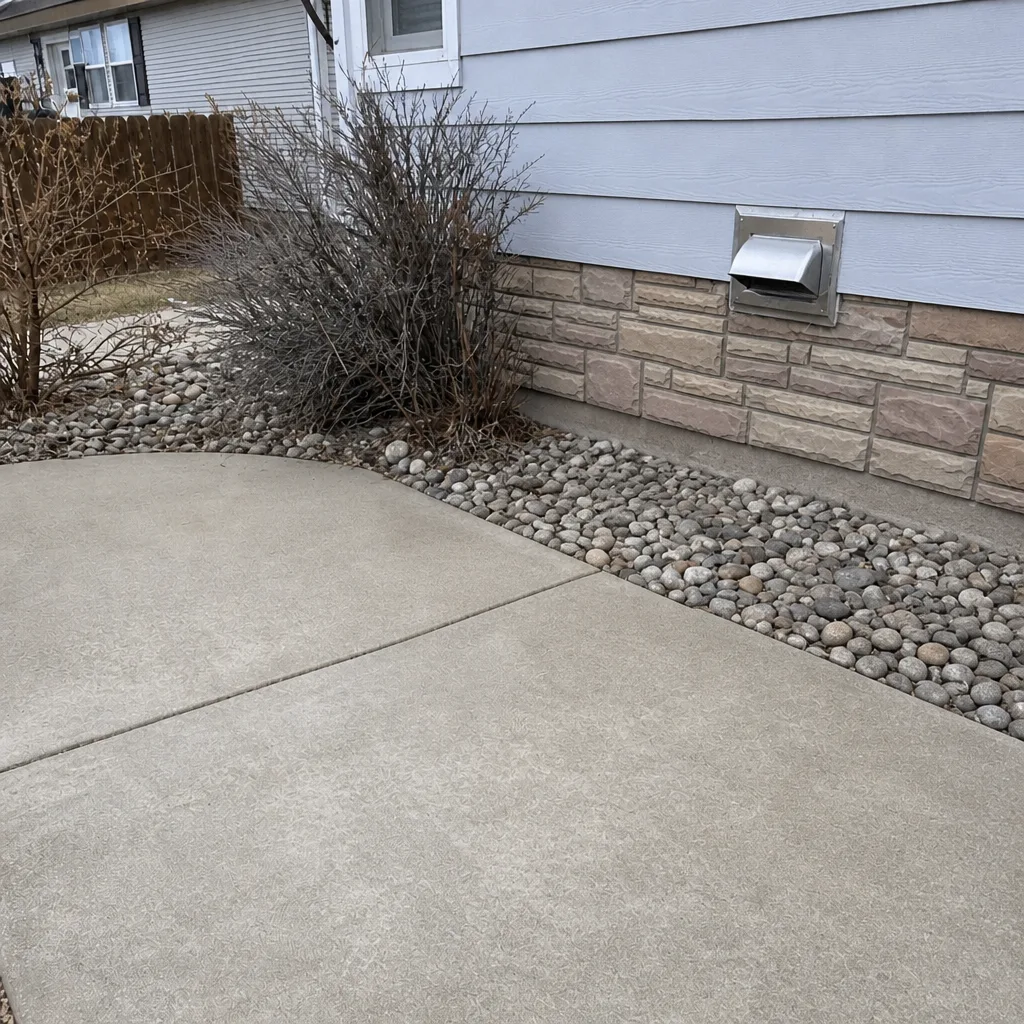 After
When to Call a Professional
Call a professional when you see dust returning faster than it should, when allergy or odor symptoms track with the system running, when one room’s airflow falls off, or when you need a carbon monoxide or combustion-side check before the heating season. Also call if the dryer takes longer than it used to, if you’ve had a recent remodel, water event, or a new pet, or if it’s been long enough that you simply don’t remember the last cleaning. The five service lines we cover here – air duct cleaning, dryer vent clearing, HVAC cleaning, duct repair and sealing, and air quality sanitizing – all sit in the same air pathway, so a single visit usually saves you the coordination of calling three different contractors. Commerce City Air Duct Cleaning offers free estimates in Commerce City – the written estimate sets the price, and it’s per job, not per vent. Call (877) 492-4447 to book a free estimate.
Frequently Asked Questions
Most Commerce City homes do well with a full-system duct cleaning every two to three years plus a post-wildfire-smoke cleaning in any year with heavy smoke, and an annual spring coil and blower inspection. Homes with pets, recent remodeling, or a high-dust location on the eastern plains side of the city often need cleaning more often.
Pricing is per job and set by the written estimate, not per vent, so the honest answer to a cost question is a free estimate based on the number of runs, the size of the system, and what beyond duct cleaning is needed. We won’t quote a teaser coupon number and then hand you a much larger invoice once the technician is in your home. Call (877) 492-4447 for a free estimate on your specific system.
Cheaper quotes usually reflect less equipment, less time on site, and a smaller scope than the phrase “air duct cleaning” suggests. A bid that doesn’t include blower, coil inspection, return-side cleaning, and the right capture equipment is a partial job. Call (877) 492-4447 and we’ll walk you through what a full-system visit covers before you decide.
Ask for before-and-after photos of your own ducts, the return side included, and ask what equipment was run. Our visits use Rotobrush rotary brush equipment for mechanical agitation and Nikro negative-air equipment to capture the debris, so the answer to “what was run in my home” should be specific. Call (877) 492-4447 to schedule a free estimate.
Yes. Late summer and early fall cleaning after a smoke event is exactly the timing our seasonal calendar is built around, since that’s when fine particulate has accumulated on the blower wheel and coil face. Call (877) 492-4447 to schedule a post-smoke cleaning and we’ll look at the air quality system too.
Only up to the maximum the furnace or air handler is rated for, and step up one level at a time rather than jumping straight to the highest filter available. Higher MERV slows airflow, and on a system with a fixed-speed blower that can cut cooling and, in some cases, freeze the coil. Call (877) 492-4447 if you want us to check what your system can actually handle.
The Bottom Line
Commerce City doesn’t stress a duct system evenly across the year. Smoke season, heating season, and the long dry stretch in between each deposit debris differently, and a calendar that treats all twelve months the same misses the point. Clean after the smoke, not before it. Inspect the coil and blower after the heating season. Look at the heat exchanger and combustion side before winter. Treat duct sealing as a tested finish rather than a patch, and treat the dryer vent as the fire-safety service it is. Match your service schedule to those triggers and you spend less time and money chasing the same dust. Call (877) 492-4447 for a free estimate on a calendar built for your home.
Written by the team at Commerce City Air Duct Cleaning.