
Last updated November 25, 2026
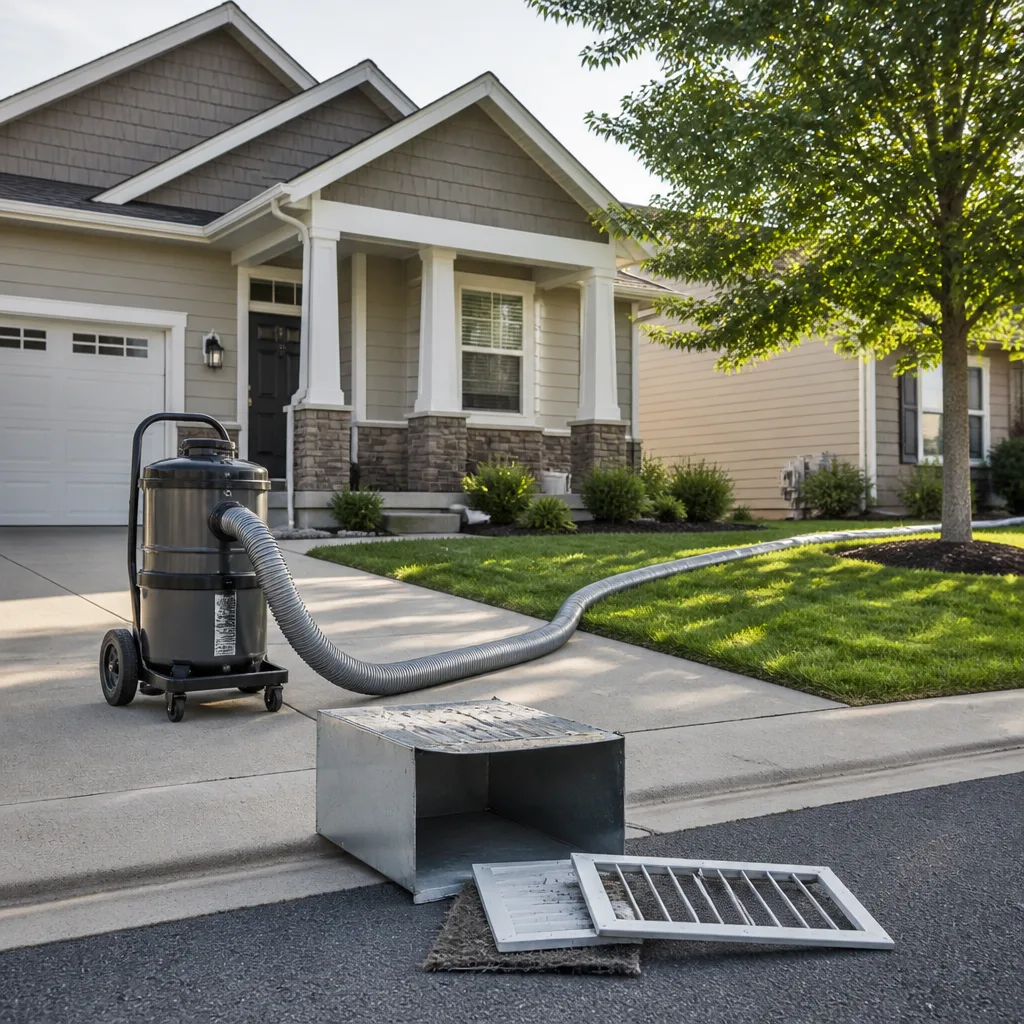 Whole-home duct cleaning
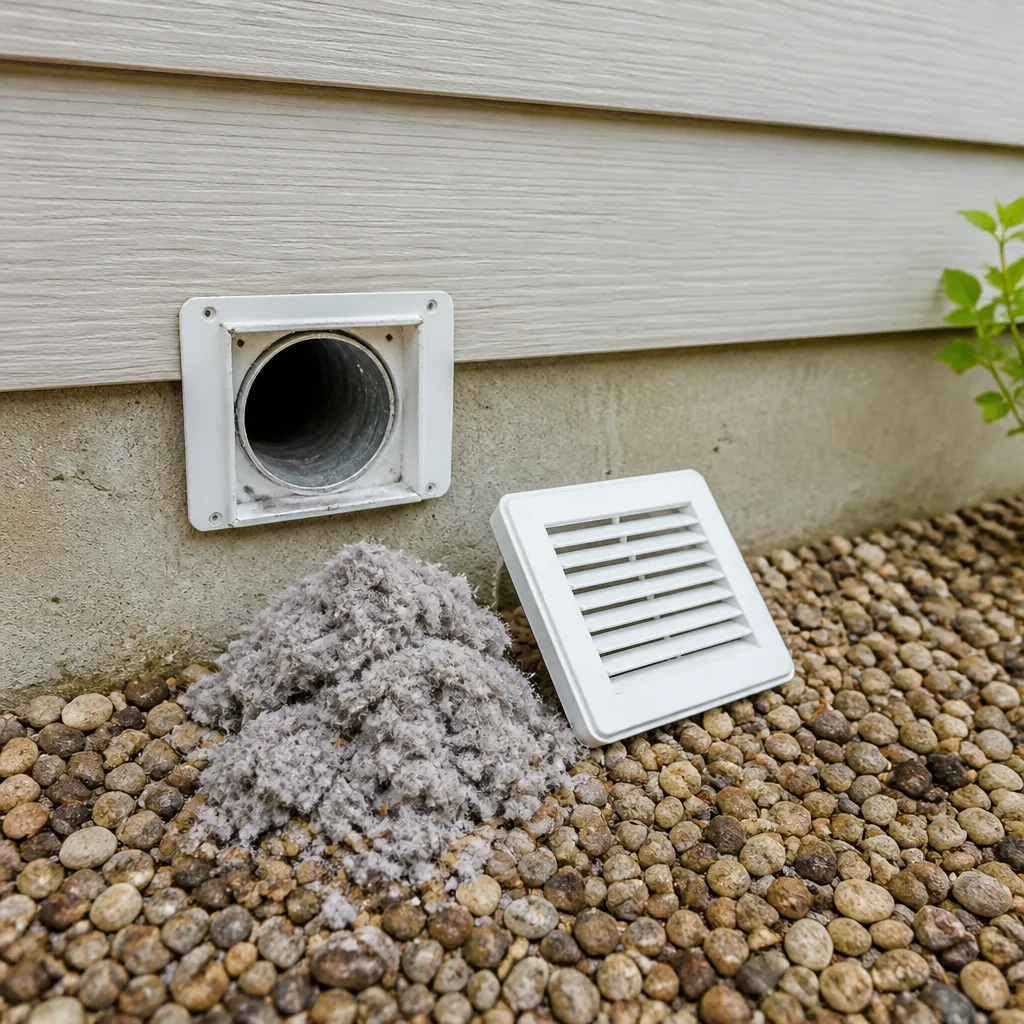 Dryer vent cleaning
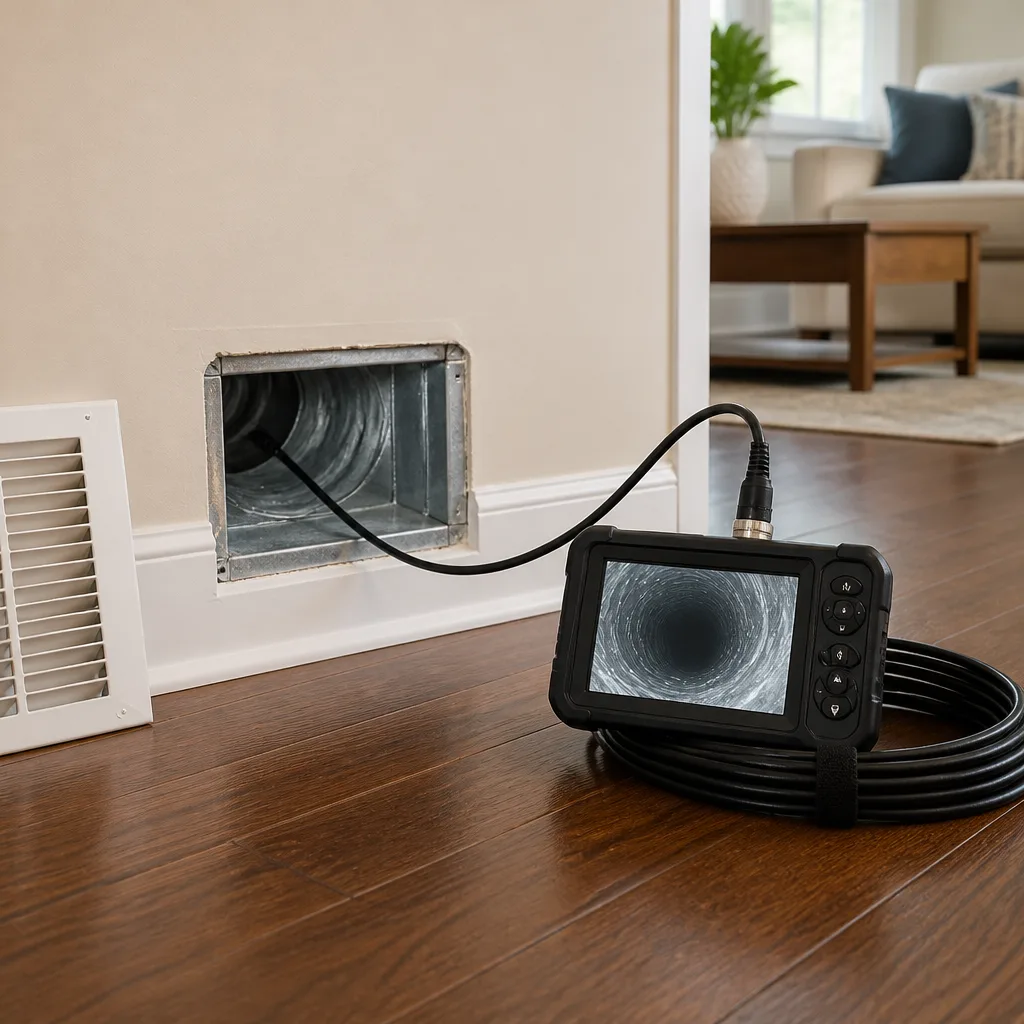 Camera inspection
 Sanitizing & deodorizing
Whole-system duct and dryer vent check with before-and-after photos - you see exactly what came out of your vents
That "$99 whole-house special" is a bait ad - the real number appears once they are in your hallway, or the "clean" is a shop-vac at the register. We photograph the inside of your ducts before and after instead.
Air Duct Cleaning Emergency Preparedness Guide for Commerce City Homes
Most people think of duct cleaning as a maintenance item, something to schedule when the dust gets bad. But after a wildfire smoke event here in Commerce City, the particulate that entered your home through the return air system has already been distributed across every duct surface by your running HVAC. If you kept the system running for 48 hours during the event, the contamination load on your coil and duct liner is substantially higher than what shows up at the registers. What you can see at the vent is a small fraction of what’s sitting inside the system. This guide covers three emergency scenarios that actually happen in Commerce City – an industrial release, a smoke invasion, and post-flood contamination – and what to do in the first 24 hours of each.
Quick Answer
In an air quality emergency, the right first move depends on the contamination source: shut the HVAC system off completely during an active industrial chemical release or while flood water is still present, but keep it running with upgraded filtration during a smoke event where indoor air is cleaner than outdoor air. After any of these events, have a technician inspect the full air pathway before using the system normally. Commerce City Air Duct Cleaning uses contractor-grade equipment and responds to these situations with a free estimate, call (877) 492-4447. We answer 24/7.
Styles & brands we work with
- Whole-home duct cleaning
- Dryer vent cleaning
- Camera inspection
- Sanitizing & deodorizing
Table of Contents
- Scenario 1: Industrial Chemical Release Near the Arsenal or Refinery Corridor
- Scenario 2: Wildfire Smoke Infiltration
- Scenario 3: Post-Flood Ductwork Contamination
- When to Shut the HVAC Off vs. Keep It Running
- How Contamination Type Changes the Remediation Scope
- What to Tell a Contractor When You Call
- Documentation for Insurance Claims
- Common Mistakes to Avoid
Scenario 1: Industrial Chemical Release Near the Arsenal or Refinery Corridor
Commerce City sits adjacent to the Rocky Mountain Arsenal National Wildlife Refuge and the refinery corridor along Highway 2 and Brighton Boulevard. When an industrial release, flare event, or chemical plume is reported, the first instinct for many homeowners is to keep the windows shut and the HVAC running as usual. That instinct needs a second look. A standard system draws outdoor air through the return intakes and, depending on how the economizer or fresh-air damper is set, can pull chemical vapor directly into the air handler and distribute it through the supply ducts. The residue – including the oily film that accompanies some hydrocarbon releases – doesn’t just sit in one room. It coats the inside of your ducts and any exposed coil surface.
Here’s what to do in the first hour:
- Shut the HVAC system off at the thermostat, not just at the schedule. A running fan recirculates airborne contaminants and pulls more through the return grilles.
- Close windows and exterior doors. If you have a fresh-air intake or economizer, tape it or close the damper if you can safely reach it from the mechanical closet.
- Do not run bath fans, kitchen exhaust, or the dryer. Any exhaust draws makeup air into the house from the outside, which pulls the chemical plume toward and through your building envelope.
- Note the time and the source. Write down what the release was, when you first noticed an odor or haze, and whether the system was running. That record matters for insurance.
Once the outside air clears and the health department or the reporting agency lifts the advisory, the decision point is whether to have the system inspected and cleaned. If you smell a lingering solvent, fuel, or chemical odor when the system comes back on – even faintly – the contamination didn’t clear with the outdoor air. For a proper answer, have a technician inspect the return plenum and the coil face. You can schedule a full air duct cleaning assessment once it’s safe to open the system up.
Scenario 2: Wildfire Smoke Infiltration
Front Range summers and early falls bring smoke events that can last days. Wildfire smoke isn’t a single contaminant – it carries fine particulate, ash, and the volatile compounds that give it that sharp, burnt smell. Those particles are small enough to slip past a standard filter and travel deep into the return ductwork, where they settle on the liner. What makes this different from routine dust accumulation is that smoke particles are chemically active. They can leave a persistent odor that returns every time the system runs, even after the outdoor air has cleared. In our experience, a house that ran its HVAC continuously through a multi-day smoke event needs more than a filter change to reset the system.
Immediate steps during a smoke event:
- Keep the HVAC running if the indoor air is cleaner than the outdoor air. Running the system through a higher-MERV filter keeps air moving and captures particulate. Shut it off only if the outdoor air quality is visibly worse than inside or you smell smoke coming through the supply registers.
- Upgrade the filter temporarily. A higher-MERV filter, or a pleated HEPA-style filter if your system accommodates it, catches more of the fine particulate. Check that your system can handle the pressure drop – a filter that’s too restrictive can tax the blower.
- Seal obvious infiltration points. Weatherstripping on doors and windows, painter’s tape around window AC units – a smoke event is the time to close those gaps.
- Don’t run the dryer. The dryer vent is an open pathway to the outside and draws makeup air into the house.
After the smoke clears, run the system with a fresh filter for a day or two and note whether the odor returns. If it does, the contamination is in the ducts and the coil, not the filter. Smoke residue requires mechanical agitation and extraction, not just a vacuum at the register. A Rotary brush system like the Rotobrush physically scours the duct liner, and a negative-air vacuum captures the loosened particulate rather than pushing it back into the room. That’s the pair we use for smoke jobs. For a whole-house system assessment after a smoke event, Commerce City Air Duct Cleaning can inspect the full air pathway and give you a written scope.
Scenario 3: Post-Flood Ductwork Contamination
Commerce City doesn’t see coastal flooding, but it does see the kind of flash flooding that follows a summer thunderstorm or a rapid snowmelt on frozen ground. When water gets into a basement or crawl space and reaches the ductwork – even just the return plenum or the boots at floor level – the problem changes. Wet duct board, wet fiberglass liner, and standing water inside a return are a bacterial and mold growth environment. The contamination is biological as well as particulate, and it can spread through the whole system every time the air handler runs.
The first 24 hours after a flood affects ducts:
- Shut the HVAC system off completely. Running a system with water inside the ductwork distributes moisture and contaminants through the whole house and can damage the blower motor and other components.
- Photograph everything before you move anything. Water level on the duct boots, visible moisture on the insulation, any mold or discoloration. This is your insurance evidence.
- Get the standing water out of the space, but don’t spray water or cleaning products into the ducts. A wet-vac on visible floor water is fine; a garden hose into the ductwork is not.
- Call a water-damage remediation company if the water was Category 3 (sewage or ground water that’s been standing), and get the ductwork on their scope. Duct cleaning after a flood is a different job than a routine clean – it includes sanitizing and often repair or replacement of wet liner.
If you’re dealing with the aftermath of a flood, the dryer vent and the return duct are the first places to check, since both are at low points and both are fire or contamination risks. A dedicated dryer vent cleaning and inspection belongs on the post-flood list alongside the duct assessment. Any ductwork that stayed wet for more than a day should be inspected for mold before the system goes back into service. If the liner has to be replaced or the seams opened, that’s a repair and sealing job, not just a cleaning.
When to Shut the HVAC Off vs. Keep It Running
This is the single decision that makes the most difference in how bad the aftermath gets, and it’s the one homeowners get wrong most often. The rule of thumb is source-based: if the contaminant is outside and coming in, shut the system down; if the contaminant is already inside and you can capture it with filtration, run the system.
- Shut off completely: Active chemical release, sewage or Category 3 flood water in the ducts, visible smoke entering the supply registers, any time you can see or smell contamination coming out of the vents.
- Run with upgraded filtration: Wildfire smoke when indoor air is cleaner than outdoor, dust storms or high-particulate days, and normal operation after a smoke event has cleared while you wait for inspection.
- Run on fan-only, if you have it: Blower-only operation moves air through the filter without running the heating or cooling cycle. This is useful during a smoke event when you want filtration but don’t need conditioning.
- Never run the system if you can see standing water inside the air handler or if the blower is making unusual noise after a flood event.
One more note specific to Commerce City: the wind events that come off the Front Range can push a lot of airborne soil and particulate through the return system in a single day. Those aren’t the same as a chemical release or a smoke event, but they load the ducts. If you notice increased dust at the registers after a wind event, that’s a routine-cleaning prompt, not an emergency. If you smell something chemical or burnt, treat it as an emergency.
How Contamination Type Changes the Remediation Scope
Not all duct contamination is treated the same way. The equipment and the chemicals change with the source, and a contractor who treats every job as a vacuum-and-go is leaving contamination behind. Here’s how the scope shifts:
- Smoke and fine particulate: Mechanical agitation with a rotary brush (the Rotobrush is the standard for this) plus negative-air extraction. The goal is to physically scour the liner and pull the loosened particulate into a HEPA-filtered vacuum, not to push it around with compressed air. Odor control may require a sanitizing treatment after cleaning.
- Chemical residue and oily film: Often requires a degreasing or solvent-based cleaning agent, applied after mechanical agitation. The coil face and the return plenum are the priority surfaces, since that’s where the film concentrates. A standard dry clean won’t remove an oily residue.
- Flood and biological contamination: Requires an EPA-registered sanitizer after the cleaning step, and often replacement of fiberglass liner or duct board that stayed wet. A containment barrier is important here – you don’t want the blower pulling mold spores through the house during the work. That’s where Abatement Technologies air scrubbers and containment gear come in.
- Post-flood mold in the HVAC components: The air handler, coil, and drain pan all need to be cleaned and sanitized, not just the ducts. This is why we treat the full air pathway – supply and return ducts, the air handler, and the coil – as one system.
The equipment matters as much as the method. A negative-air setup with a HEPA filter captures the dislodged contaminants instead of recirculating them into the room. Air scrubbers create a clean-zone environment during the work. That’s the contamination-control standard we bring to every emergency-related job, and it’s the same standard used on professional remediation projects. For commercial properties and property managers dealing with a larger event, our HVAC cleaning scope covers the air handling components as well as the ducts.
What to Tell a Contractor When You Call
When you call after an emergency event, the quality of the information you give determines whether the right equipment and cleaning chemicals show up on the first visit. A contractor who knows the source type before arriving can bring the right vacuum, the right sanitizer, and the right containment setup. Here’s what to have ready:
- The source of the contamination. Chemical release, wildfire smoke, flood water, or something else. If it’s a release, name the facility or the corridor if you know it; if it’s a flood, tell them the water category (clean, gray, or sewage).
- The timeline. When the event happened, when you shut the system off, and whether the system ran during the event or after.
- What you can see and smell. Odor when the system runs, visible moisture in the ductwork, mold on the register or liner, discoloration on the coil.
- The system layout. Number of returns, whether you have a fresh-air intake or economizer, the filter size and MERV rating you’re using, and whether the ductwork is rigid metal or flex.
- Any air quality products already in place. If you have a Honeywell or Aprilaire filtration or humidity system, mention it – the technician needs to know what’s in the air pathway before they open it up.
- Insurance status. Whether you’ve opened a claim, and what the adjuster has asked for.
If you have photos, send them. A picture of the return plenum or the filter after a smoke event tells a technician more than a description. Call (877) 492-4447 to talk through what you’re dealing with. We answer 24/7, with fast dispatch from 7am to 7pm, Sunday through Friday. The estimate is free, and we set one flat price per system in writing before any work starts.
Documentation for Insurance Claims
An HVAC remediation claim succeeds or fails on documentation. Insurers want to see the before-and-after condition of the system, the source of the contamination, and a clear scope of what was done. Here’s what to collect:
- Photos before any cleanup. The duct interior at a register, the coil face, the return plenum, the filter, and any visible water or residue. Use a phone light to get the register interior if you can.
- A record of the event. The date and time you first noticed the problem, the cause if known, and any advisories or notices from local authorities or the reporting facility.
- The contractor’s written report. A professional assessment that describes the contamination source, the affected components, and the recommended scope. Our work includes before-and-after photos of your own system, which gives the adjuster documented evidence.
- Air quality readings if available. If you have a particulate monitor or an air quality sensor in the home, save the readings during the event. If not, a contractor’s pre- and post-cleaning documentation serves the same purpose.
- Receipts and invoices. Keep every one, including the filter upgrades and any remediation you did yourself.
One thing to understand about duct cleaning claims: most policies cover remediation after a covered event (a fire, a flood, a wind-driven smoke event), but not routine maintenance. The distinction is whether the contamination came from a single event. Documentation is what builds that case. A contractor’s report that ties the contamination to a specific event and dates it is worth more than a stack of receipts. If you’re dealing with a claim, mention it when you call, so the report we prepare covers what the adjuster will ask for.
Common Mistakes to Avoid
- Keeping the HVAC running during a chemical release. A running system pulls the plume through the return and distributes it across every duct surface. Shut it off at the thermostat first, then deal with the air.
- Assuming a filter change is enough after a smoke event. A filter catches what passes through it; it doesn’t clean the liner where smoke particles have already settled. If the odor comes back when the system runs, the contamination is in the ducts.
- Running the system after a flood reaches the ductwork. Water inside a return or air handler is a moisture and mold distribution problem. Shut it off and get it inspected before it goes back into service.
- Hiring the lowest coupon quote after an emergency. Emergency work is when bait-and-switch is most common. Get a written, per-system scope before any work begins, and ask what equipment will be used. The right answer names real machinery, not a truck and a shop vac.
- Skipping photos before cleanup. Insurance claims depend on documentation. Take pictures of everything before you touch it, even if you’re anxious to start cleaning.
- Opening the windows to “air out” during a smoke or chemical event. That’s the moment to keep the building envelope closed, not to ventilate. Airing out works after the outdoor air is clean.
- Forgetting the dryer vent. It’s an open pathway to the outside and a fire risk on its own. Post-flood and post-construction, it needs a dedicated inspection, not a quick blast from a leaf blower.
See the difference
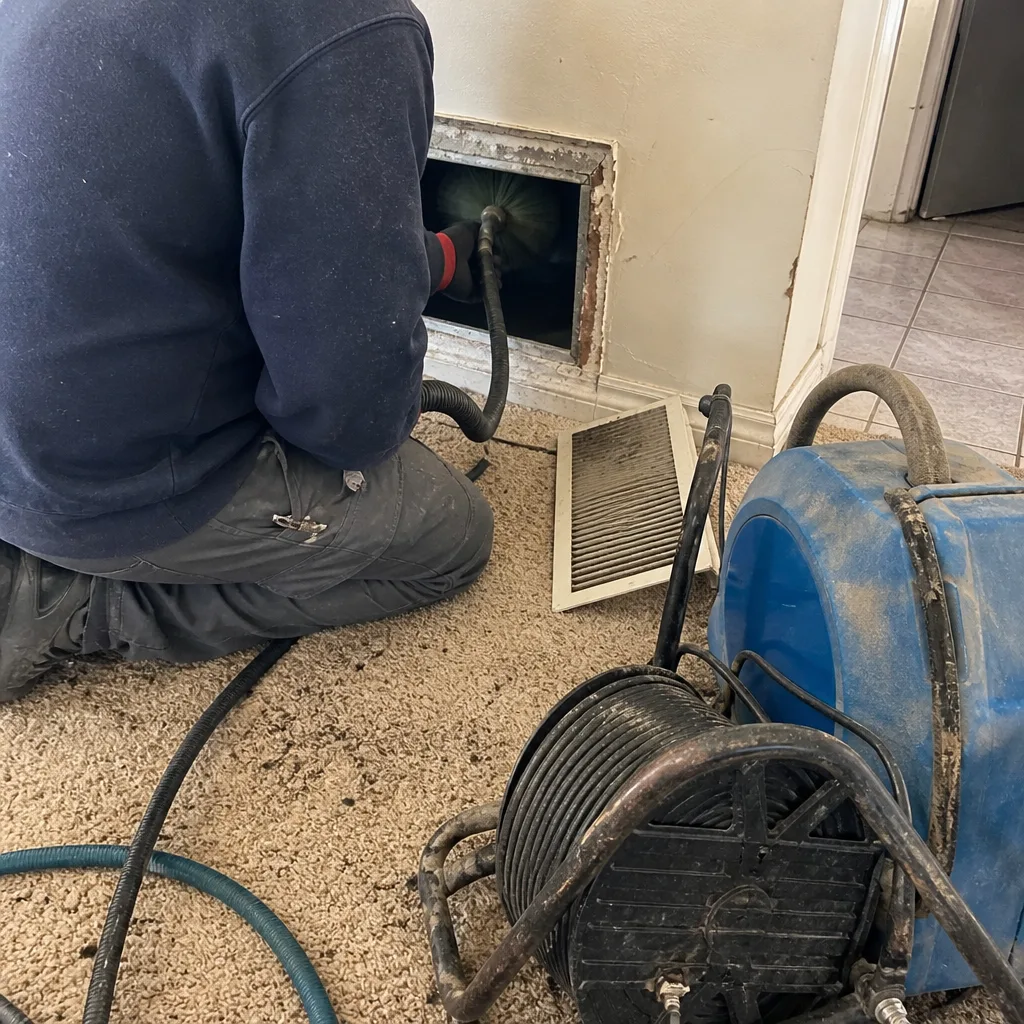 Before
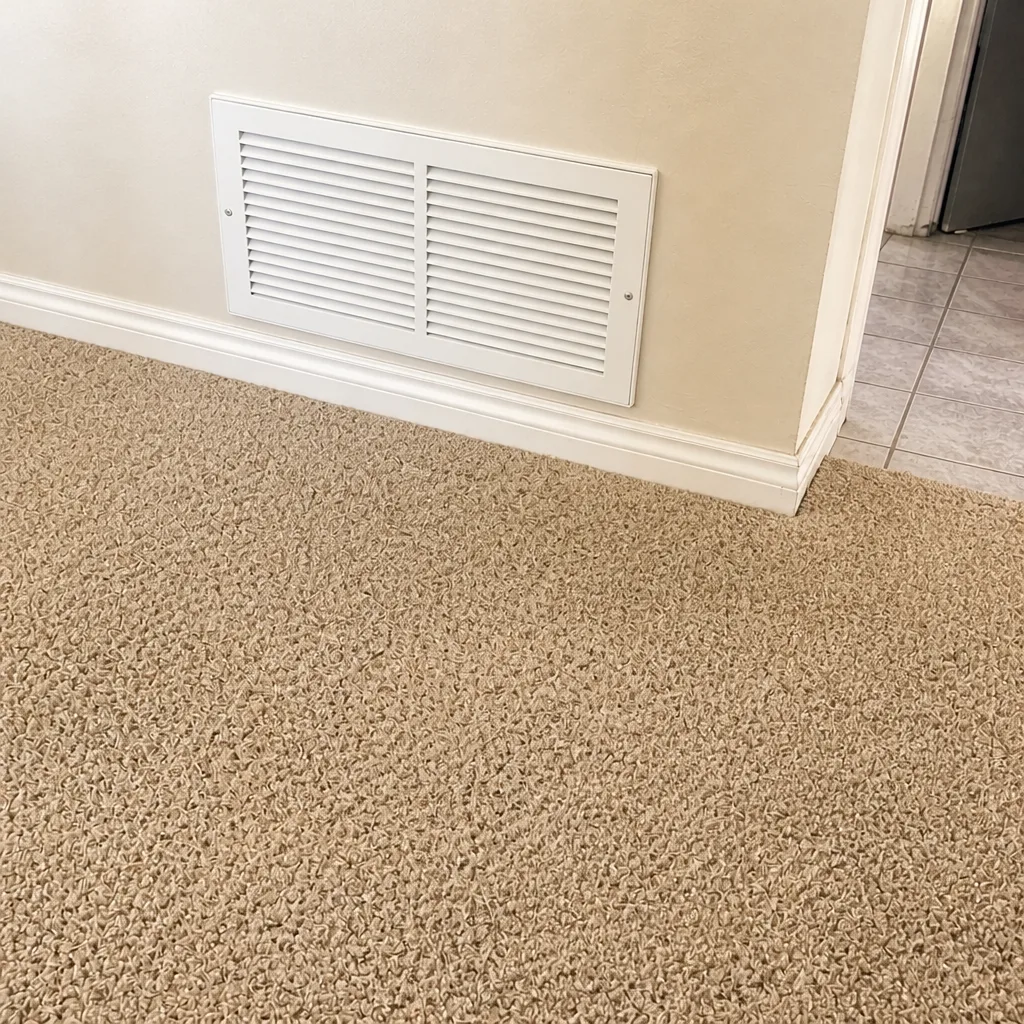 After
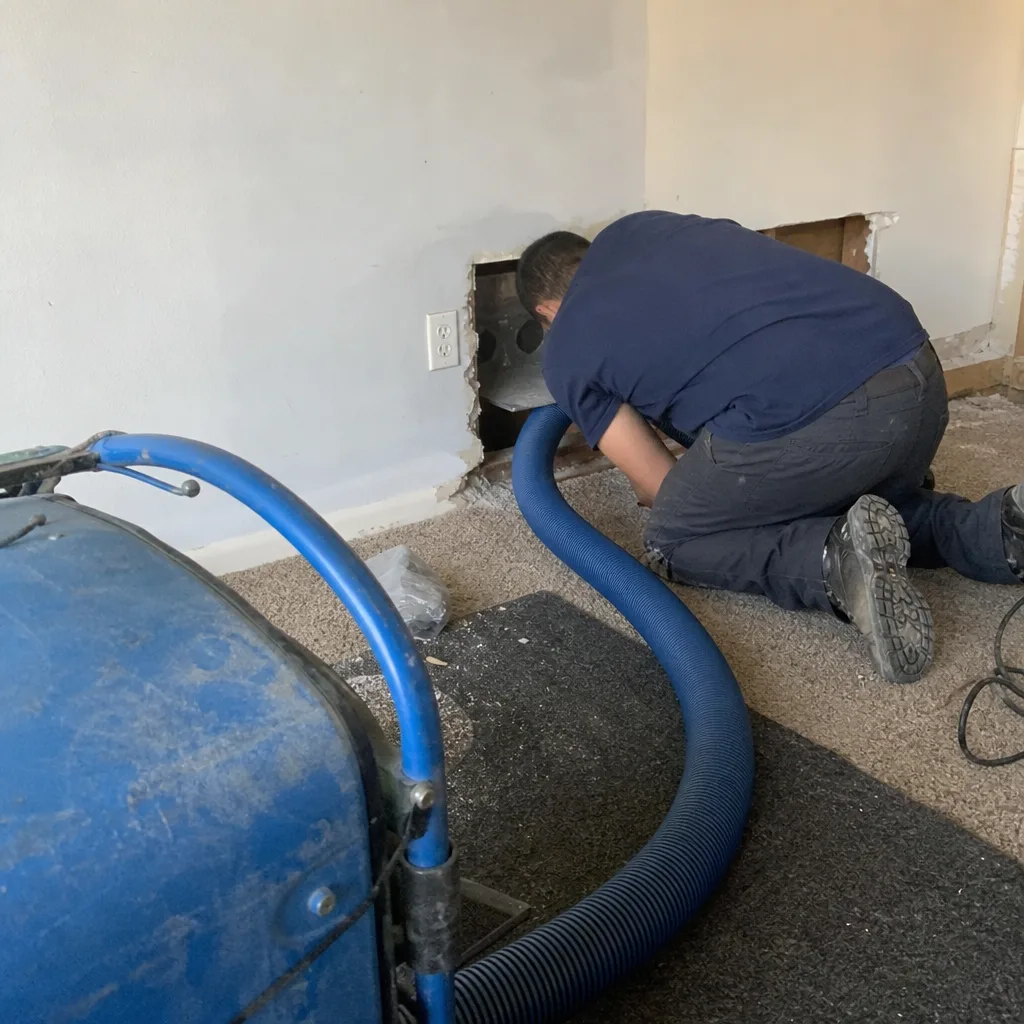 Before
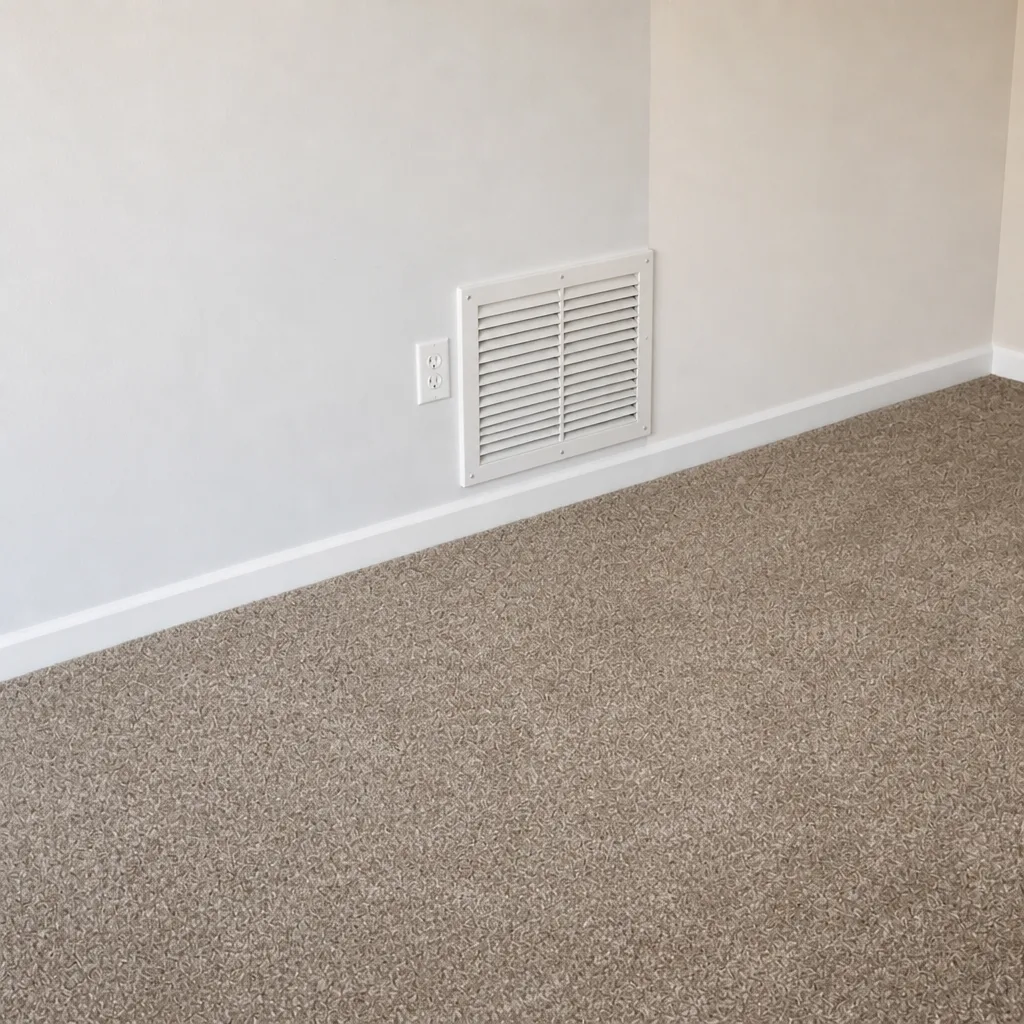 After
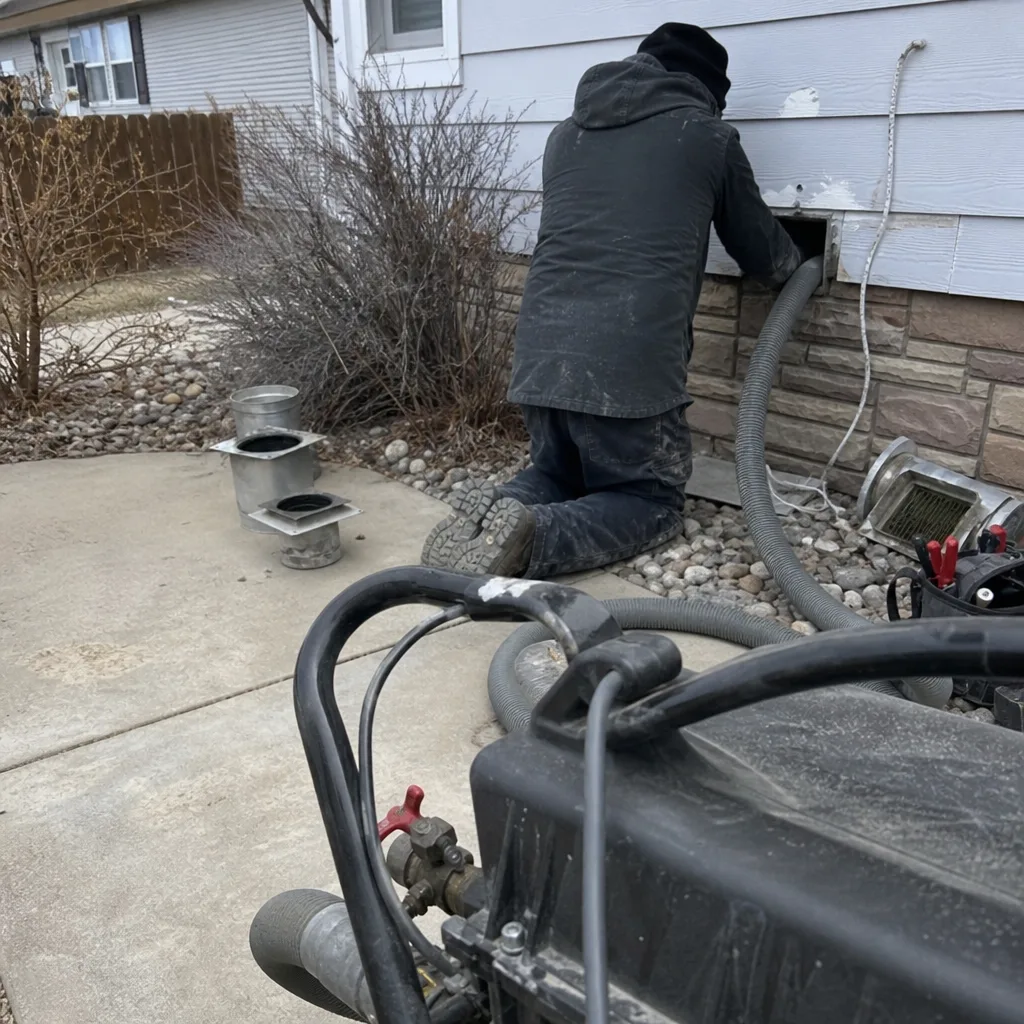 Before
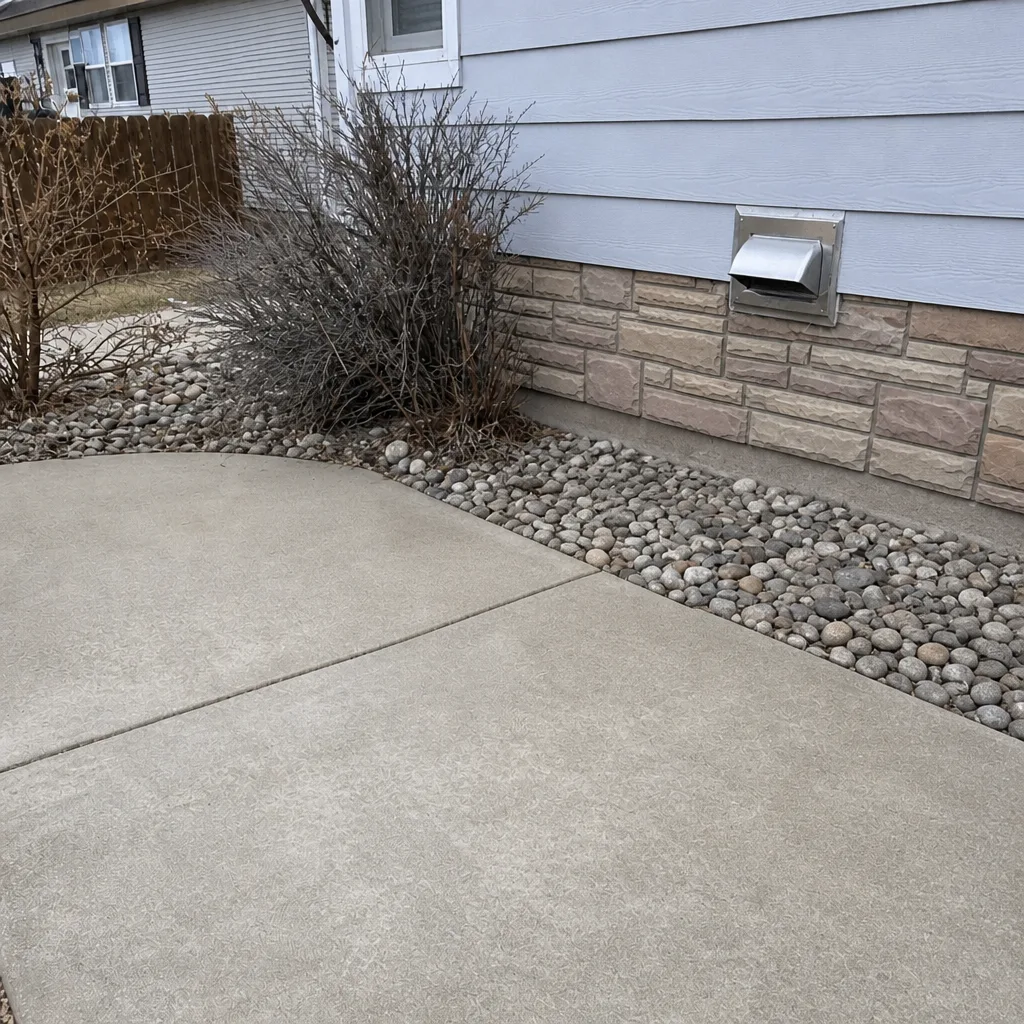 After
When to Call a Professional
Call a professional any time a chemical release, wildfire smoke event, or flood has affected the inside of your home and the system was running during or after it. Also call if you smell an odor when the HVAC comes on, see visible mold or water in the ducts, or notice a persistent increase in dust at the registers after an event. Routine dust is a maintenance prompt; a contamination event with a known source is a remediation job. Commerce City Air Duct Cleaning offers free estimates in Commerce City. The local professional is licensed and insured as their state requires, and our technicians have up to 14 years of experience with contractor-grade equipment. Call (877) 492-4447 to schedule an assessment. We answer 24/7, with fast dispatch from 7am to 7pm, Sunday through Friday.
Frequently Asked Questions
As soon as the outdoor air has cleared and it’s safe to open the system, ideally within the first week. Smoke and chemical particulate become more difficult to remove the longer they sit, and they can bond to the duct liner over time. Call (877) 492-4447 for an exact quote and a scope. Estimates are free.
Not every event, but any event where the HVAC ran for an extended period during heavy smoke. A short smoke exposure with the system off may only need a filter change and a visual check. A multi-day event with the system running typically needs an inspection to determine whether the liner and coil are loaded. Call (877) 492-4447 to talk through what you’re seeing.
It can remove the residue that causes the odor, but only with the right method. Mechanical agitation with a rotary brush, followed by negative-air extraction and, where needed, a sanitizing treatment, is what addresses smell that’s come from the duct surface. A dry pass with a vacuum won’t remove an oily chemical film. Call (877) 492-4447 for a scope specific to your situation.
There’s no fixed emergency rate. The price depends on the size of the system, the contamination type, and whether sanitizing or repair is needed. We give one flat price per system in writing before work starts, so there’s no surprise on the invoice. Call (877) 492-4447 for a free estimate and a clear scope.
Usually because the quote covers a surface vacuum of the visible registers, not the full air pathway. A low teaser price rarely includes the air handler, the coil, or a sanitizing treatment – and it doesn’t include documented before-and-after photos. Ask what’s in the scope before comparing prices. Call (877) 492-4447 and we’ll walk you through what a full-system price includes.
Ask for before-and-after photos of your own ducts, and ask what equipment was used. A contractor working with a rotary brush and negative-air vacuum can document the condition of the liner after cleaning. We give you photos and a written scope, so you can see the system before and after. Call (877) 492-4447 to schedule.
The Bottom Line
Emergency air quality events in Commerce City are not hypothetical. The Arsenal and refinery corridor, the Front Range smoke seasons, and the flash flooding that follows summer storms all create real contamination scenarios for the home’s air pathway. The first 24 hours matter more than the cleaning itself: shut the system off during a chemical release or a flood reach, run it with upgraded filtration during a smoke event, and document everything before you clean. Then call a technician who works with the full pathway – ducts, coil, air handler, and dryer vent – and who brings containment-grade equipment to the job. Call Commerce City Air Duct Cleaning at (877) 492-4447 for a free estimate. One flat price per system, agreed before work starts.
Written by the team at Commerce City Air Duct Cleaning.