
Last updated November 25, 2026
 Whole-home duct cleaning
 Dryer vent cleaning
 Camera inspection
 Sanitizing & deodorizing
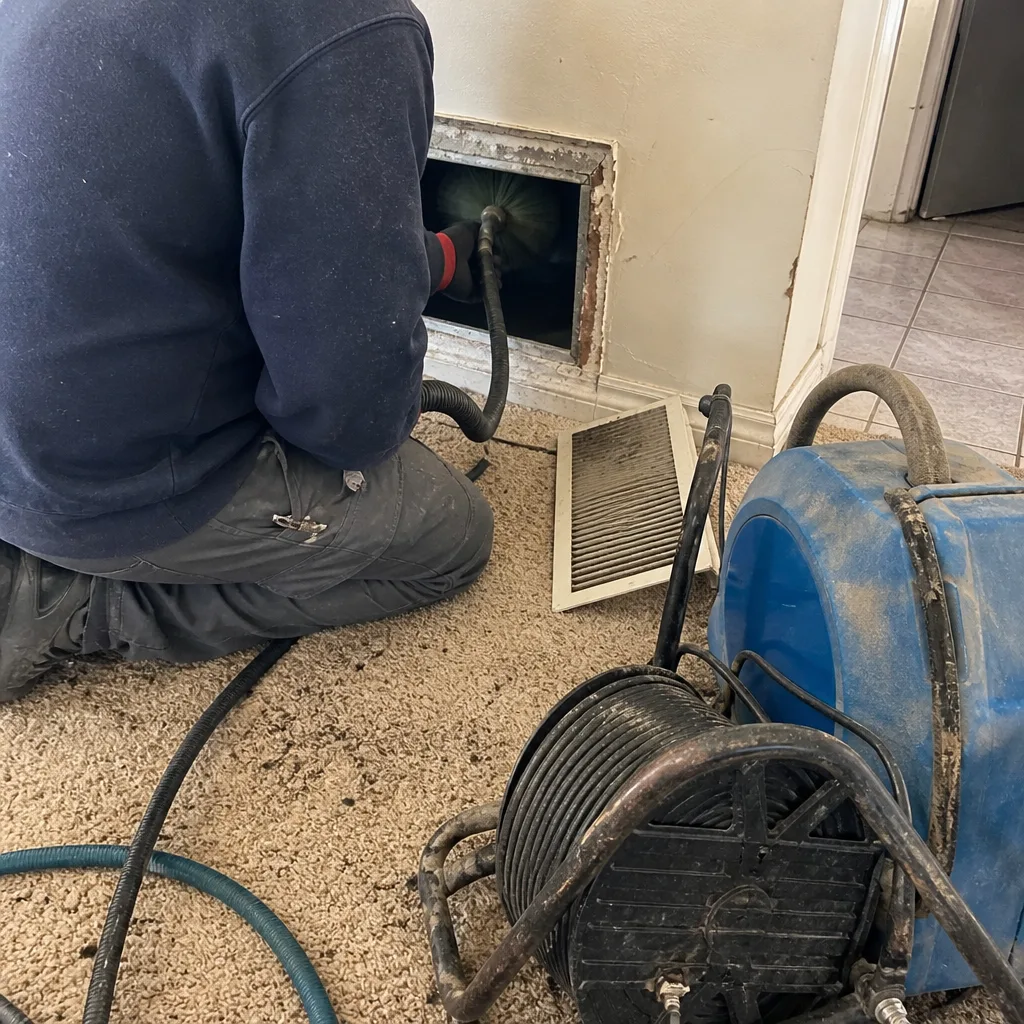
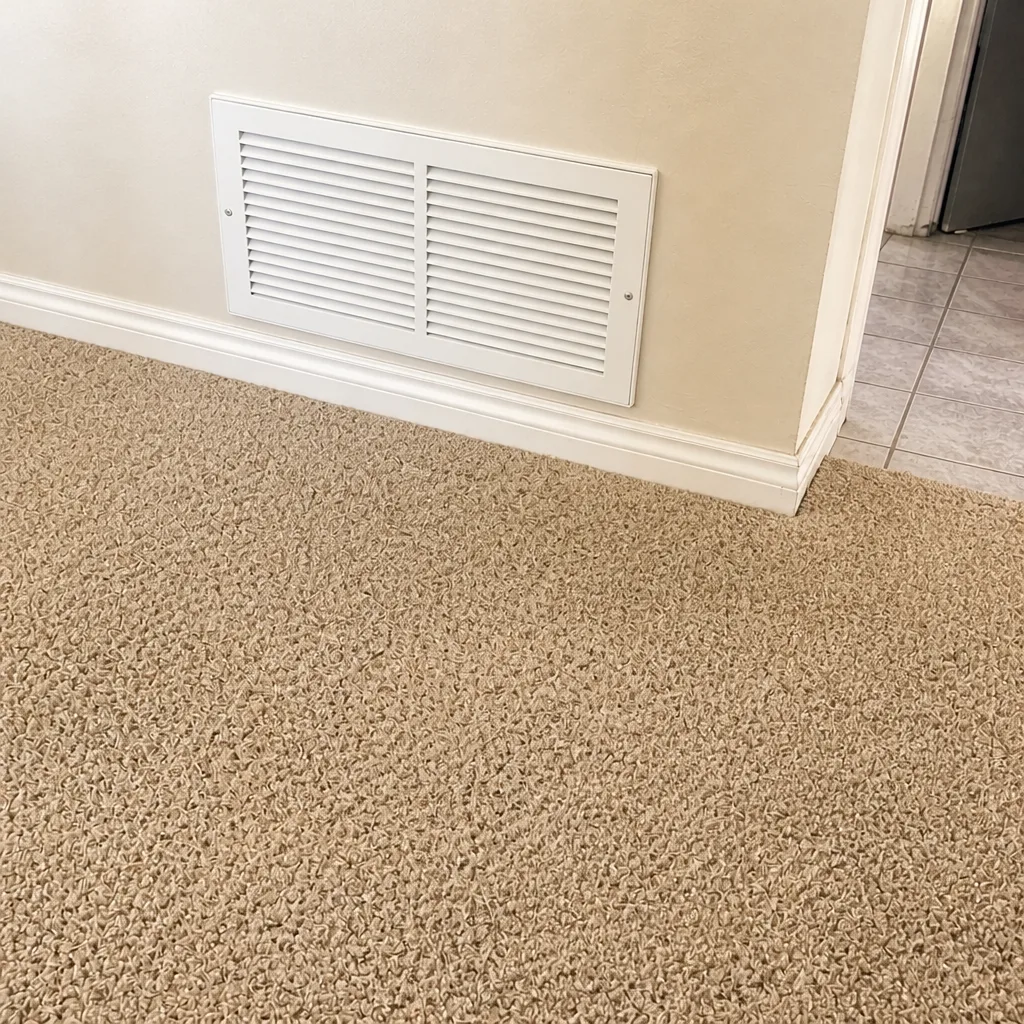
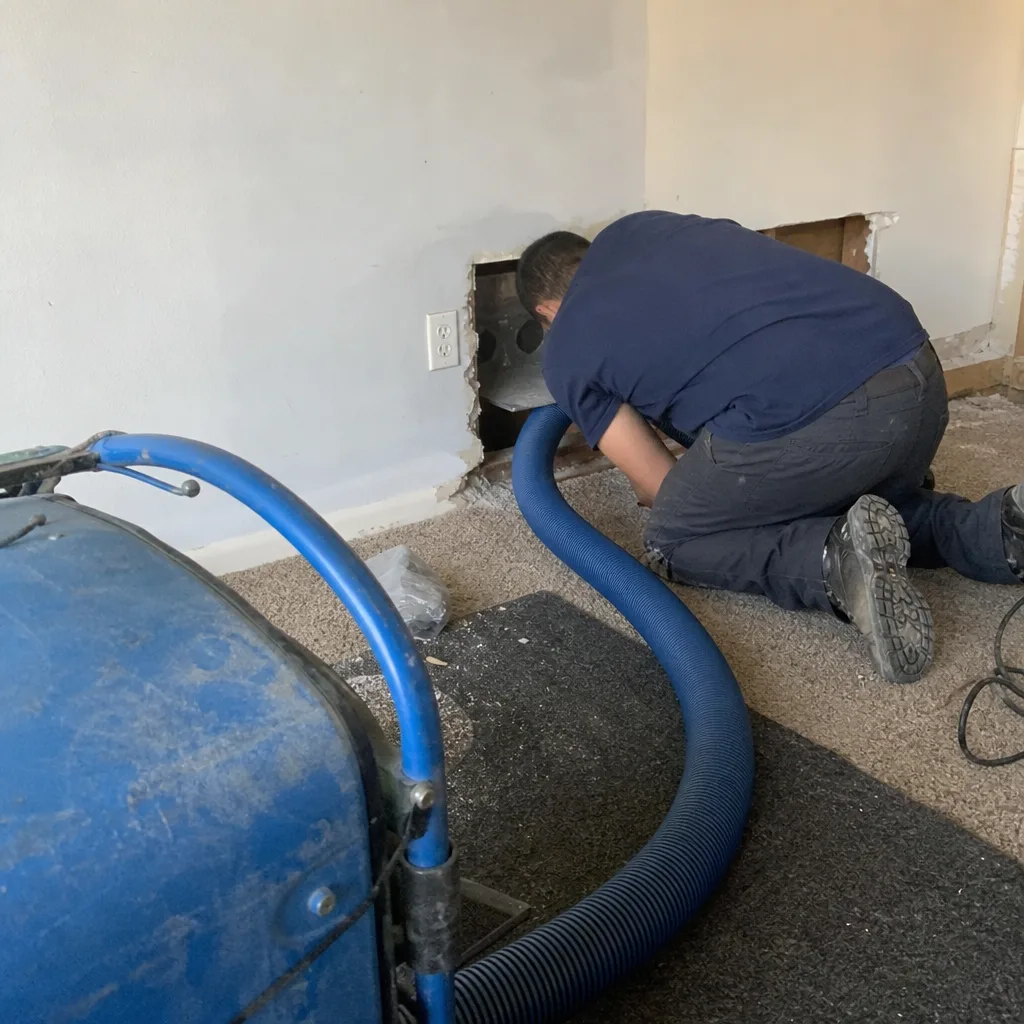
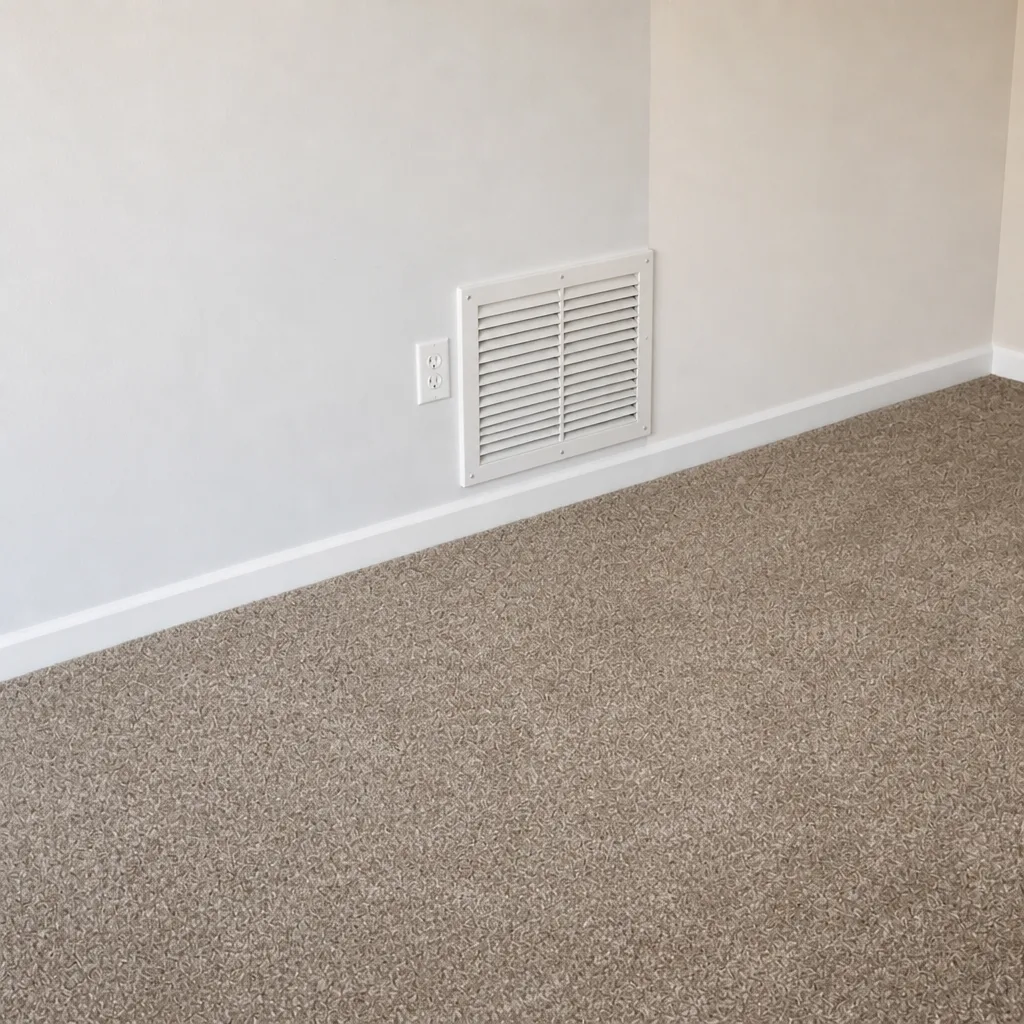
Whole-system duct and dryer vent check with before-and-after photos - you see exactly what came out of your vents
That "$99 whole-house special" is a bait ad - the real number appears once they are in your hallway, or the "clean" is a shop-vac at the register. We photograph the inside of your ducts before and after instead.
Air Duct Cleaning Permits, Codes & Inspections in Commerce City, CO: What You Need to Know
Here’s the part most homeowners never hear. If your duct cleaning contractor patches a disconnected trunk line or seals a plenum breach during the visit (which is the right thing to do), that repair may technically require an Adams County mechanical permit. Cleaning is not regulated the same way. Repair is. The line between the two is where problems surface later, usually during a home sale inspection when a buyer’s inspector notes unpermitted mechanical work. This guide draws that line precisely for Commerce City homeowners and property managers: what needs a permit, what doesn’t, what an inspector actually measures, and what paperwork to keep. We’ll walk through Adams County jurisdiction, the Colorado Mechanical Code as it applies to ductwork, the difference between cleaning-only and cleaning-plus-repair contracts, and the documents worth keeping in a folder.
Quick Answer
Routine air duct cleaning in Commerce City does not require a permit. The moment a technician repairs, replaces, adds branches to, or modifies ductwork in a way that touches the mechanical system’s design, the work falls under Adams County mechanical permitting and the Colorado Mechanical Code. Cleaning-only is unpermitted work. Cleaning-plus-repair is permitted work. A clear contract that separates the two scopes protects you, and documentation of any ductwork service should be retained for future inspections, appraisals, and resale.
Styles & brands we work with
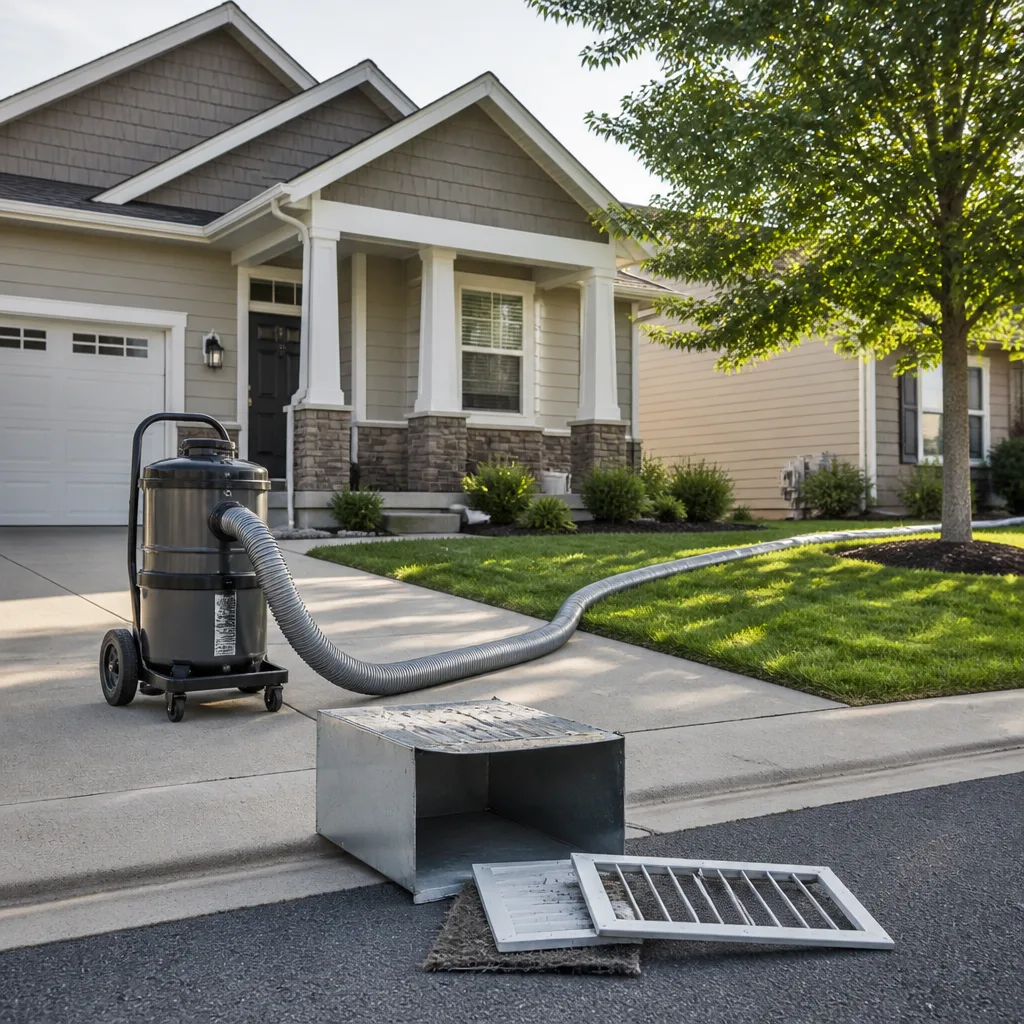
- Whole-home duct cleaning
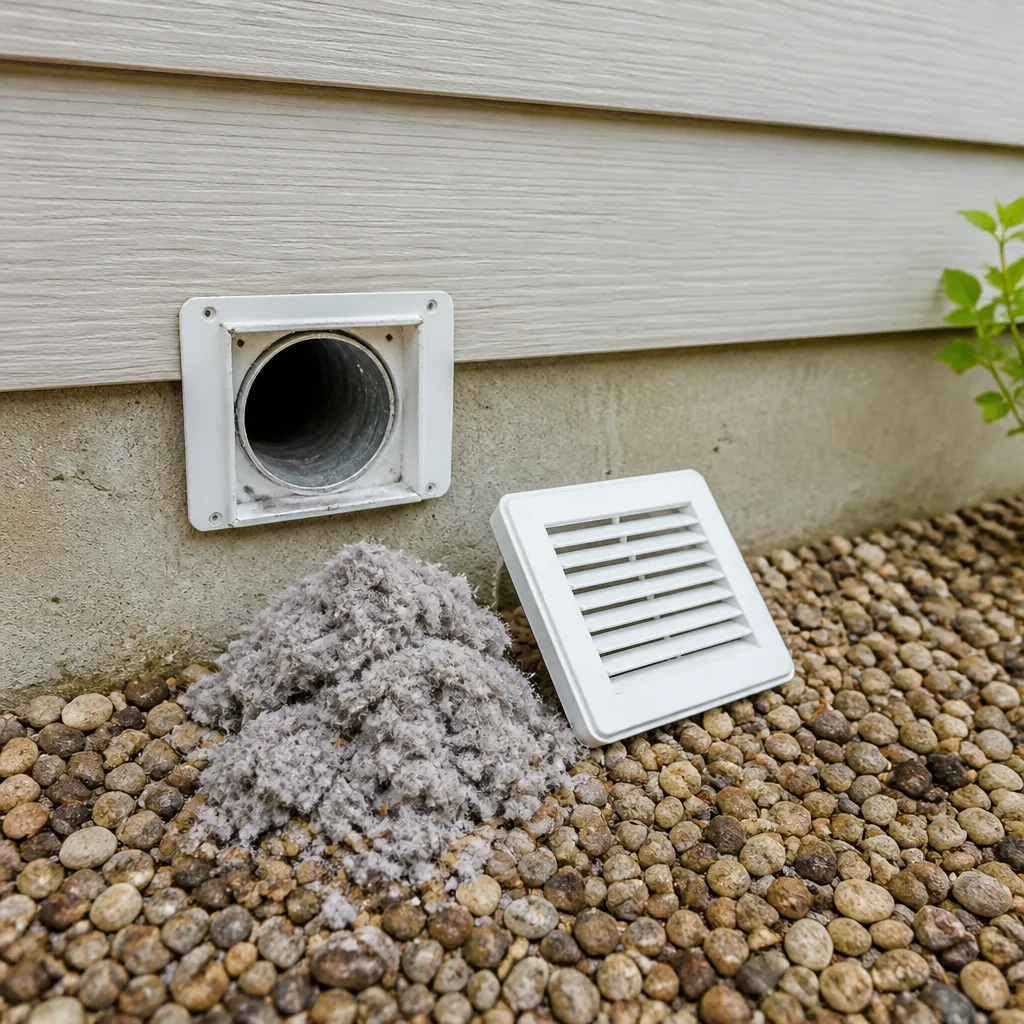
- Dryer vent cleaning
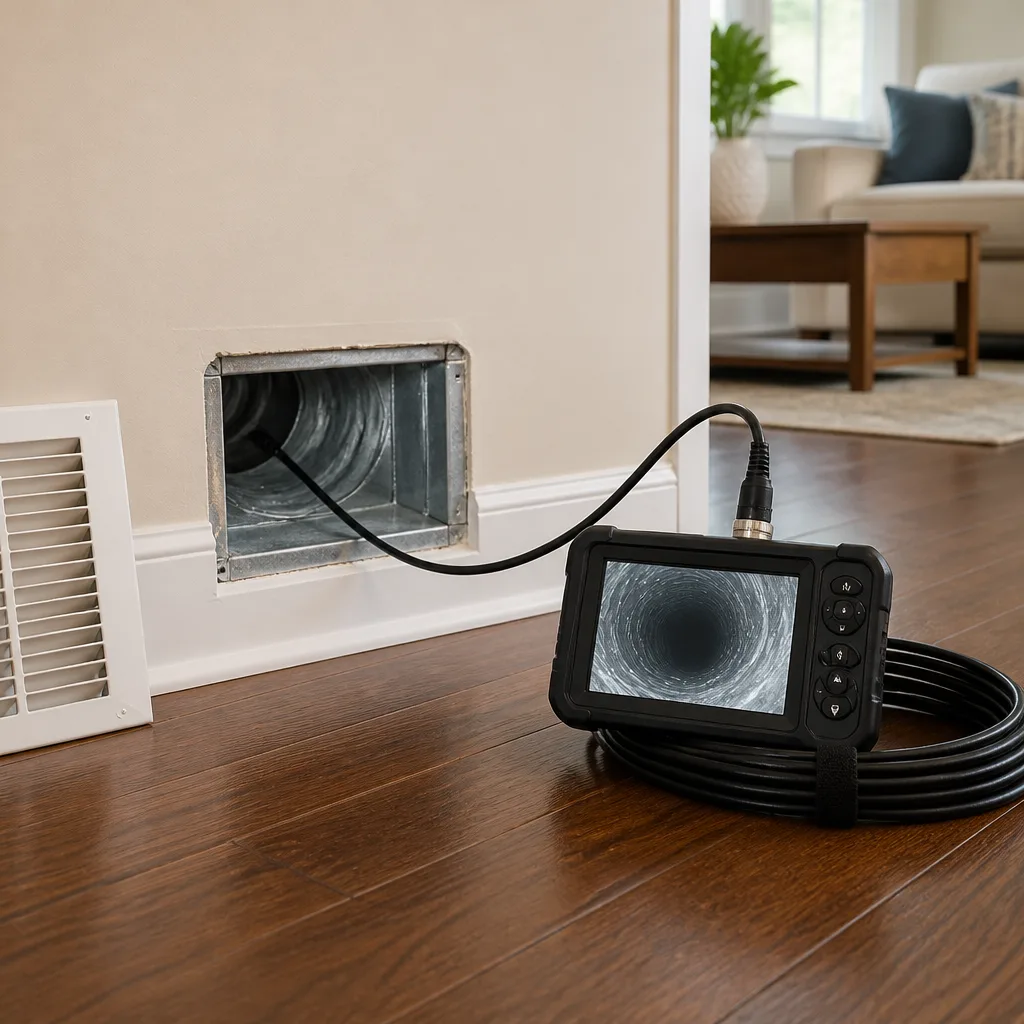
- Camera inspection
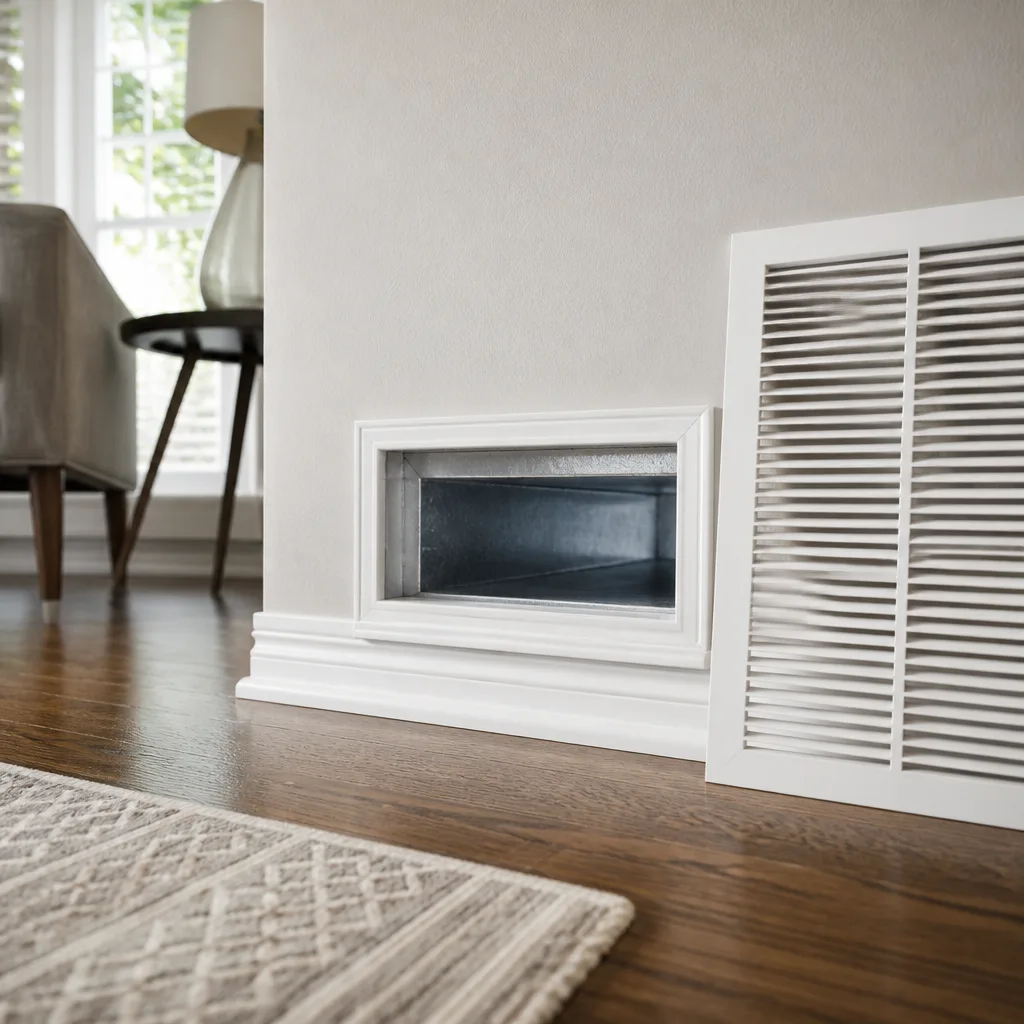
- Sanitizing & deodorizing
Table of Contents
- Who Has Jurisdiction Over Ductwork in Commerce City?
- What Ductwork Modifications Trigger a Permit in Colorado?
- What the Colorado Mechanical Code Says About Duct Sealing
- What an Inspector Actually Measures
- Structuring a Contract: Cleaning-Only vs. Cleaning-With-Repair
- Documentation to Keep After Ductwork Service
- Commerce City Housing, Climate, and Why Ducts Take a Beating Here
- What to Expect During a Mechanical Inspection
Who Has Jurisdiction Over Ductwork in Commerce City?
Commerce City sits within Adams County, and building code enforcement for mechanical work flows through Adams County with the city’s own municipal requirements layering on top depending on the project type. In practical terms, that means a residential duct repair or modification is reviewed under Adams County’s adopted mechanical code, which in Colorado is the Colorado Mechanical Code (CMC) as adopted and amended locally. Commerce City itself enforces zoning, right-of-way, and certain property maintenance requirements, but the mechanical permit for ductwork modifications is issued by the county building department.
This matters because homeowners often call the city first, get routed, and give up. The path is usually simpler than it feels. For ductwork that involves repair or modification, the sequence looks like this:
- Contact Adams County Building Department to confirm permit requirements for your specific scope.
- Confirm with the contractor whether the scope crosses from cleaning into mechanical work.
- If a permit is required, the licensed contractor typically pulls it; owner-builders may pull their own in some cases, but mechanical work is usually contractor-pulled.
- Schedule the inspection after the work is complete and before ducts are closed up or the system is put back into service.
One nuance worth knowing: Commerce City has grown fast on the north and east sides, and the housing stock ranges from older mid-century homes near the original commercial core to new construction out toward Reunion and the Second Creek area. Permit history on older homes can be spotty regardless of jurisdiction, and it’s not unusual for a duct repair done decades ago to have no record. That doesn’t make the work wrong. It just means documentation matters more when you go to sell.
If you’re not sure whether your project crosses the line, ask. A contractor who does this work regularly knows the Adams County pattern and can tell you in a phone call. For the cleaning side of the conversation, our air duct cleaning service page covers what a standard visit involves.
What Ductwork Modifications Trigger a Permit in Colorado?
Cleaning is not regulated. Modification is. The Colorado Mechanical Code treats ductwork as part of the mechanical system, and any change that alters the design, capacity, routing, or connection of that system generally requires a permit and inspection. Here’s the practical breakdown for Commerce City homeowners:
- Replacement of a duct run: Removing and reinstalling a section of rigid or flex duct, even if the size and routing match, is a mechanical alteration. Permit almost always required.
- Adding a branch: Running a new supply or return branch to a room, or adding a takeoff to serve a finished basement (common in Commerce City basement build-outs), requires a permit.
- Sealed combustion modifications: Any change to a sealed combustion appliance’s ducting, including the flue or combustion air pathway, is a permit-level mechanical change and often a safety review as well.
- Trunk line reconnection: Reconnecting a disconnected trunk is repair, not cleaning. Whether a permit is required depends on how the reconnection is done; a straightforward re-secure is often treated differently than a re-route. Ask the contractor to state clearly in writing which it is.
- Boot and register changes: Swapping a register is not a mechanical modification. Cutting a new opening in the duct system to install a boot is.
What does not require a permit? Cleaning, sealing surface leaks with mastic or tape where no component is removed, sanitizing treatments, dryer vent clearing, and HVAC coil and blower cleaning. That last one matters. A contractor who is cleaning your system should not be modifying it in the same visit without a permit discussion, and a professional who knows the difference will flag it before starting.
Our HVAC cleaning work stays on the cleaning side of the line, and so should the cleaning portion of any contractor’s scope.
What the Colorado Mechanical Code Says About Duct Sealing
The CMC addresses duct sealing in two distinct ways that homeowners tend to blur together. First, it sets what sealing is required in new installation or major alteration. Second, it sets the standard the inspector measures against during a mechanical inspection. That standard is not about aesthetics or whether a technician “sealed everything up.” It’s about measurable leakage performance from the system as installed.
In plain language, this is what the code-derived inspection is looking at:
- Sealed joints and seams on the portions of ductwork that must be sealed under the code, typically all supply and return ductwork in unconditioned spaces and specified portions of conditioned spaces.
- Approved sealing materials – mastic, approved tape, or listed sealants – not generic duct tape that fails within a season.
- Support and connection integrity at every joint, boot, and register connection, since leaks often develop from mechanical stress, not just gaps.
- Proper connection to the air handler and plenum, where a large share of system air loss actually occurs.
Our experience on Commerce City duct repair jobs is that the plenum and the trunk connections are where the biggest sealing failures show up, not the visible registers most homeowners notice. A proper Commerce City Air Duct Cleaning and repair visit includes pulling the register grilles, inspecting inside the boots, and looking at the plenum where it meets the air handler. That’s also where a seal or repair can push a cleaning visit across the permit line, so having the contractor explain what will be done and whether it’s structural matters.
If a technician is going to use Abatement Technologies containment and negative air equipment during the work, they should also be able to walk you through which sealing steps they’re taking, which are structural, and how the final system is tested before they close it up.
What an Inspector Actually Measures
If a permit is pulled for ductwork modifications in Commerce City, an Adams County mechanical inspector will visit after the work is done. This is the part of the process most homeowners never see, so here’s a walk-through of what actually happens:
- Review of the permit and the scope. The inspector arrives with the permit and the scope of work that was approved. Work that goes beyond the scope is a correction item, even if the extra work was good.
- Visual inspection of the ductwork at accessible locations – plenum, trunk, branch connections, boots, and any sealed joints. Sealing material must be the approved type and applied correctly.
- Connection integrity at the air handler. The inspector checks that the supply and return connections are secure and sealed to the standard the code requires.
- System performance check, where required. Depending on the scope, the inspector may require a duct leakage test or verify airflow from specified registers.
- Final sign-off. If the work passes, the permit is closed and the inspection record becomes part of the property’s permit history.
“Sealed and tested” is the phrase you want to see in the contractor’s description of the finish step. Not “we patched that gap.” Patching alone doesn’t close a permit or produce the documentation a future buyer’s inspector will want to see.
One practical note: Commerce City spans multiple inspection territories within Adams County, and scheduling can vary by area and time of year. The contractor pulling the permit typically handles the scheduling communication. You should receive the closed permit record after sign-off; ask for it if you don’t.
Structuring a Contract: Cleaning-Only vs. Cleaning-With-Repair
The single most useful thing you can do before booking any duct service in Commerce City is ask for the two scopes to be itemized separately on the contract. This is not a paperwork nicety. It’s the difference between being able to prove, years later, which portion of the work was permit-required and which wasn’t.
A well-structured contract separates the work into two clear buckets:
- Cleaning scope – mechanical agitation and extraction of supply and return ducts, registers, boots, HVAC components including the blower and coil, and dryer vent clearing where included. No permit required. Documented with photos of before and after.
- Repair scope – any reconnection, sealing, replacement, or addition of ductwork. Permit requirement stated explicitly, permit pulled by the contractor where required, and inspection scheduled before the system goes back into service.
What to look for in the written estimate, specifically:
- A line-by-line description of what’s being cleaned and what’s being repaired, not a single “duct cleaning” line item with a handshake promise.
- A statement of whether a mechanical permit is required and who pulls it.
- Before-and-after photos as a stated deliverable, not a courtesy.
- A single flat price for the cleaning scope, agreed before work starts, with the repair scope priced separately.
- Written confirmation that the technician who assessed the system is the one who documented the repair scope, so nothing gets decided mid-job without your knowledge.
In our experience, the contractors to be skeptical of are the ones who won’t split the scope. The contractor who’s comfortable itemizing the repair line is usually the one who isn’t going to spring a bigger invoice on you mid-visit. If you’d like to see how that’s structured for our dryer vent cleaning visits and the rest of our service lines, the scope is spelled out the same way.
Documentation to Keep After Ductwork Service
Here’s what most Commerce City homeowners don’t do, and regret later. After any ductwork service, especially a visit that involved a repair, keep a documented record. The sale of the home is when it matters most, but refinancing, insurance claims, and warranty issues are also when these records earn their keep.
Keep this set of documents in a single folder:
- The written estimate and invoice, with the cleaning and repair scopes itemized separately.
- Before-and-after photos of the ductwork and any components that were cleaned or repaired.
- Permit number and closed inspection record if a permit was pulled for repair work.
- Contractor information – company name, business contact, and confirmation the local pro is licensed and insured as their state requires.
- A brief written description in the contractor’s own words of what work was done, in case a future inspector’s language differs from the invoice line items.
- Any equipment sheets or model information for filtration or humidity components touched during the visit, particularly if Honeywell or Aprilaire equipment is involved.
In our experience, a home sale inspection conversation about ductwork is usually resolved within five minutes if the seller can produce a closed permit and a short description of the work. Without those documents, the inspector’s report has to note uncertainty, and uncertainty slows closings.
Appraisers benefit from the same set. When an appraiser walks a Commerce City home with a recently modified mechanical system, having the paperwork ready avoids a re-inspection delay. It costs you one file folder. The alternative costs you a weekend.
Commerce City Housing, Climate, and Why Ducts Take a Beating Here
Commerce City’s housing stock is unusual for the metro: a mix of mid-century homes near the original commercial corridor, 1990s and 2000s subdivisions on the east side, and a wave of newer construction near Reunion and Second Creek. Each era of construction brings different duct behavior. Older homes often have later-added branches and a few unpermitted modifications from decades of “while we’re at it” upgrades. Newer homes may have a longer run of flex duct than the system was designed for, or bypass leakage around the plenum that developed in the first few heating seasons.
Climate plays a role too. Commerce City sits in the high-desert front range band, which means significant seasonal swings in temperature and humidity, and strong spring winds that push fine dust into any gap in a return system. That dust, combined with the dry winter air, means duct systems here tend to accumulate the kind of fine particulate a cheap blow-and-go clean just stirs up. A contractor using a Rotobrush rotary brush system to mechanically agitate and a Nikro negative-air unit to capture the dislodged material is doing a meaningfully different job than one who uses a shop vac and a squirrel cage blower. The equipment standard matters because the local climate is unforgiving about what’s already inside the ducts.
You’ll hear Commerce City homeowners talk about dust on the ceiling fan after a system runs for a few hours, or about a musty smell that comes back after every spring. Those are duct-system symptoms, not surface-dust symptoms. A proper diagnostic covers the full air pathway, including whether the return is pulling from an unconditioned space (common on older homes in the area) and whether the registers are actually sealed to the boot.
For a fuller picture of what a typical visit covers in this market, our Commerce City Air Duct Cleaning service overview walks the same path.
What to Expect During a Mechanical Inspection
If your ductwork repair is permitted, the Adams County mechanical inspection is more procedural than dramatic. The inspector reviews the approved scope, walks the ductwork, and signs off if the work matches the code standard. Knowing the sequence removes most of the anxiety.
A typical inspection follows this arc:
- Notice of inspection. The contractor schedules with the county after the work is signed off internally.
- Access review. The inspector needs to see the repaired ductwork at accessible locations. Anything the contractor closed up before inspection creates a correction item.
- Visual and performance check. Sealing material, connection integrity, and where required, duct leakage or airflow verification.
- Correction items (if any). Minor corrections are common and usually resolvable within the same visit cycle. A missing seal, a wrong tape type, or a boot not properly connected are all typical correction items.
- Final sign-off and closed permit. The inspector records the closure in the county system; the contractor should provide you a copy.
What if the work was already done, unpermitted, years ago? This is more common in Commerce City than most homeowners realize. The path forward is usually a call to Adams County Building Department to ask what documentation exists and what remediation is required. Often the answer is a permit and a re-inspection; the work may not need to be redone, only inspected.
If you’re not sure whether an existing repair was permitted, ask a contractor to look at the ductwork with a permit-history mindset: where are the joints, how are they sealed, does anything look like a later addition. That diagnosis is part of what Commerce City Air Duct Cleaning and similar professional services should be able to provide before any cleaning begins.
Common Mistakes to Avoid
- Accepting a contractor’s verbal “not required” without documentation. Whether a permit is required depends on the scope, and the only reliable answer is a written one. Ask the contractor to state the determination in writing before any repair work starts.
- Letting a “cleaning” visit silently become a repair visit. Some contractors discover a problem, fix it, and change the scope without a conversation. Insist that any repair is scoped, priced, and confirmed in writing before it happens.
- Throwing away the invoice after a visit. Adams County inspectors and appraisers will ask for a permit record and a description of work, sometimes years later. Keep the documents.
- Assuming the newest subdivision won’t have duct issues. Newer Commerce City homes near Reunion and Second Creek frequently have flex-duct bypass leakage that a visual inspection misses and a proper cleaning-and-sealing diagnostic catches.
- Hiring on price alone and then being surprised by the invoice. A flat per-system price that’s agreed in writing is the only structure that protects you. Bait-and-switch operations price based on what they find once they’re inside the ducts, not before.
- Confusing “sealed” with “tested.” A contractor who applies mastic and walks away is doing half the job. Ask how the finished system is verified before the visit closes.
- Closing up repaired ductwork before the inspection. If a permit is in place, the inspection has to come before access panels go back on. Skipping this is the most common reason a permit drags for weeks.
See the difference
 Before
 After
 Before
 After
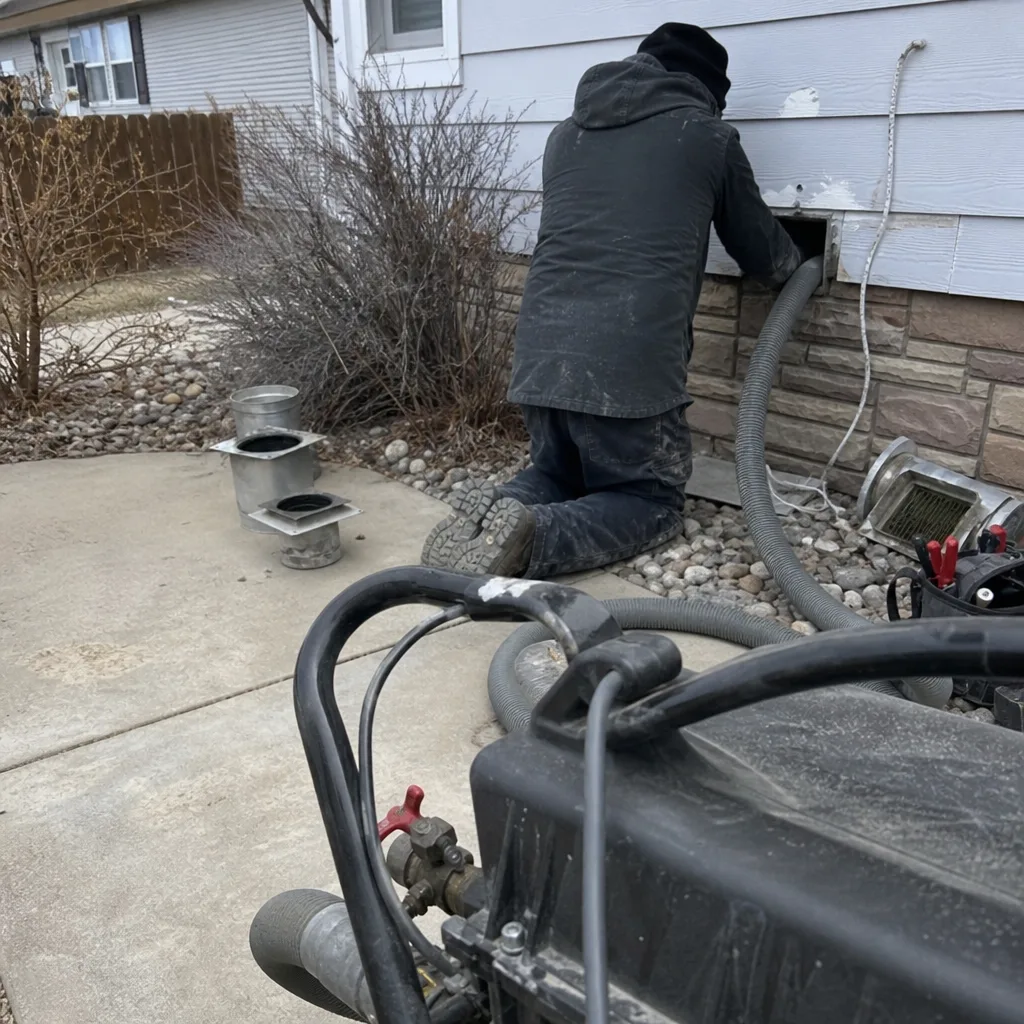 Before
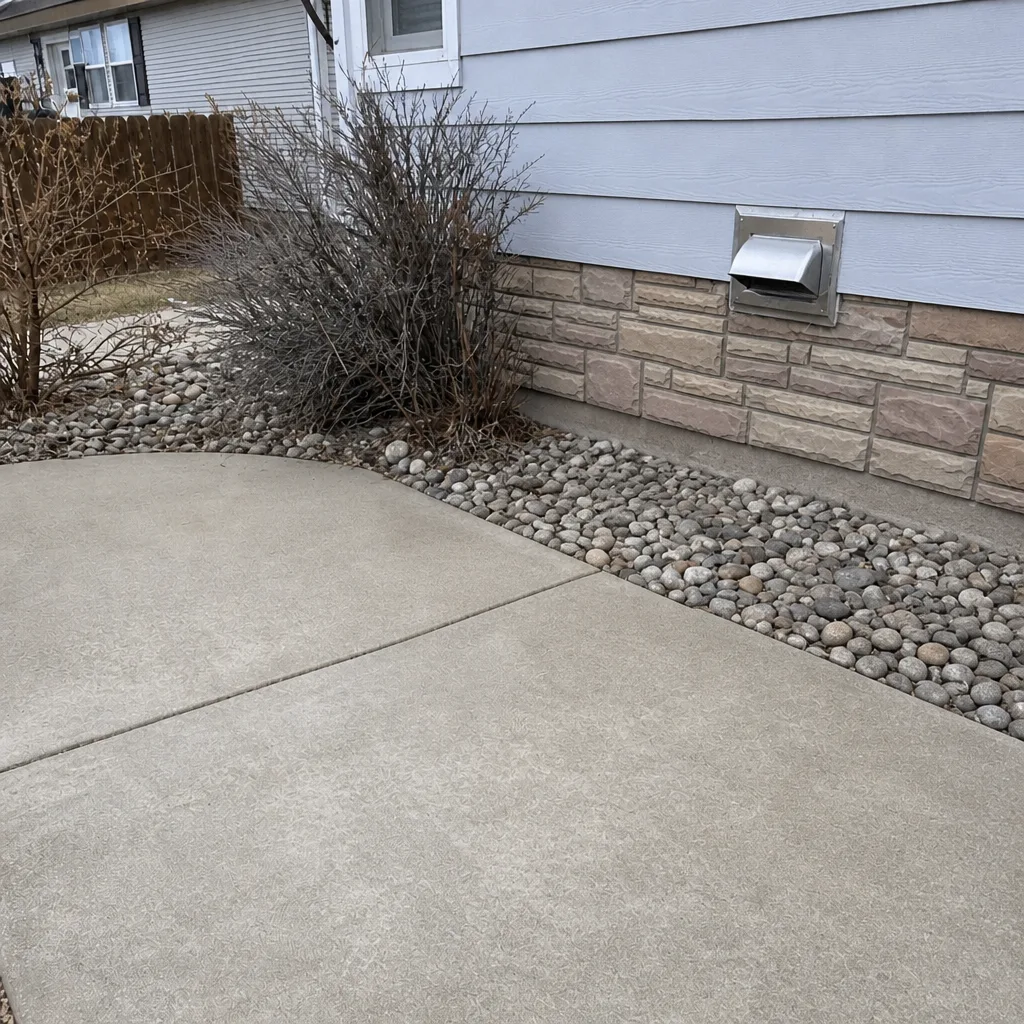 After
When to Call a Professional
If you notice a musty smell that returns after cleaning, visible dust streaks around the registers, reduced airflow in a specific room, or an HVAC system that runs harder than it used to, those are duct-system symptoms worth a professional diagnosis. Same if you’re buying or selling a Commerce City home and the inspection report notes mechanical work without documentation. Duct repair that looks like a DIY patch is the most common cause of a delayed closing. If you see tape peeling from a trunk joint, or a boot not properly connected to the floor register, don’t wait for the next heating season. Commerce City Air Duct Cleaning offers free estimates in Commerce City – call (877) 492-4447. We answer 24/7. Fast dispatch from 7am to 7pm, Sunday through Friday. One flat price per system is agreed before work starts, before-and-after photos document the work, and the written estimate sets the final price.
Frequently Asked Questions
No. Routine air duct cleaning does not require a permit in Commerce City. Cleaning, sanitizing, dryer vent clearing, and HVAC coil and blower cleaning are not regulated as mechanical work. The moment a technician repairs, replaces, adds branches to, or modifies ductwork in a way that touches the mechanical system’s design, that work falls under Adams County mechanical permitting and the Colorado Mechanical Code. Call (877) 492-4447 for a free estimate that clearly separates the cleaning scope from any repair scope – estimates are free.
Any repair that touches the mechanical system’s design or components requires a permit: replacement or re-routing of duct runs, adding branches, sealed combustion modifications, and reconnection of a disconnected trunk are all permit-level work. Surface sealing of a small leak with mastic, without removing anything, typically is not. The distinction is whether the work is repair or maintenance. Ask the contractor for a written statement of which side the work is on before starting. Call (877) 492-4447 for a free estimate – estimates are free.
Adams County Building Department issues mechanical permits for Commerce City addresses, applying the Colorado Mechanical Code as locally adopted. Commerce City enforces zoning, right-of-way, and other municipal requirements on top of county-issued mechanical permitting, but the mechanical permit itself goes through Adams County. Ask the contractor to confirm this before starting any repair work that requires a permit. Call (877) 492-4447 for guidance on scoping your visit – estimates are free.
The path forward is usually a call to Adams County Building Department to ask what documentation exists and what remediation is required. In many cases the answer is to pull a permit now and have the existing work inspected; the ductwork often does not need to be redone. Documentation of the inspection closes the loop and satisfies a future home sale inspector. Call (877) 492-4447 for a free estimate on a diagnostic visit – estimates are free.
Keep the itemized invoice, before-and-after photos of the ductwork, the permit number and closed inspection record if a permit was pulled, the contractor’s business information, and a short written description of the work. Retain these for the life of the home. They matter at sale, refinance, insurance claim, and warranty conversation. Call (877) 492-4447 for a free estimate that includes itemized scope and photo documentation – estimates are free.
Low quotes typically cover a surface vacuum of visible registers rather than the full air pathway. They often don’t include mechanical agitation of duct walls, negative-air containment during the job, or any documentation. A real professional-grade visit uses equipment like a Rotobrush rotary brush and a Nikro negative-air unit to agitate and extract, and prices the job as one flat per-system rate agreed before work starts. If a quote is too good to be true, it usually doesn’t cover the whole system. Call (877) 492-4447 for a free estimate on a full-pathway visit – estimates are free.
The Bottom Line
Duct cleaning itself is not a permitted activity in Commerce City, but duct repair is. The line between the two is the point of this whole guide. Any contractor visit that could cross from cleaning into repair should open with a written scope that separates the two, a clear statement of whether a permit is required, and documentation of the work that includes before-and-after photos and a closed permit record if one was pulled. Keep the paperwork. A folder is cheap; a delayed closing is not. Our technicians have up to 14 years of experience, we’re equipped to work inside the full air pathway, and the local professionals we connect you with are licensed and insured as their state requires. Call (877) 492-4447 for a free estimate. We answer 24/7. Fast dispatch from 7am to 7pm, Sunday through Friday.
Written by the team at Commerce City Air Duct Cleaning.