
Last updated November 25, 2026
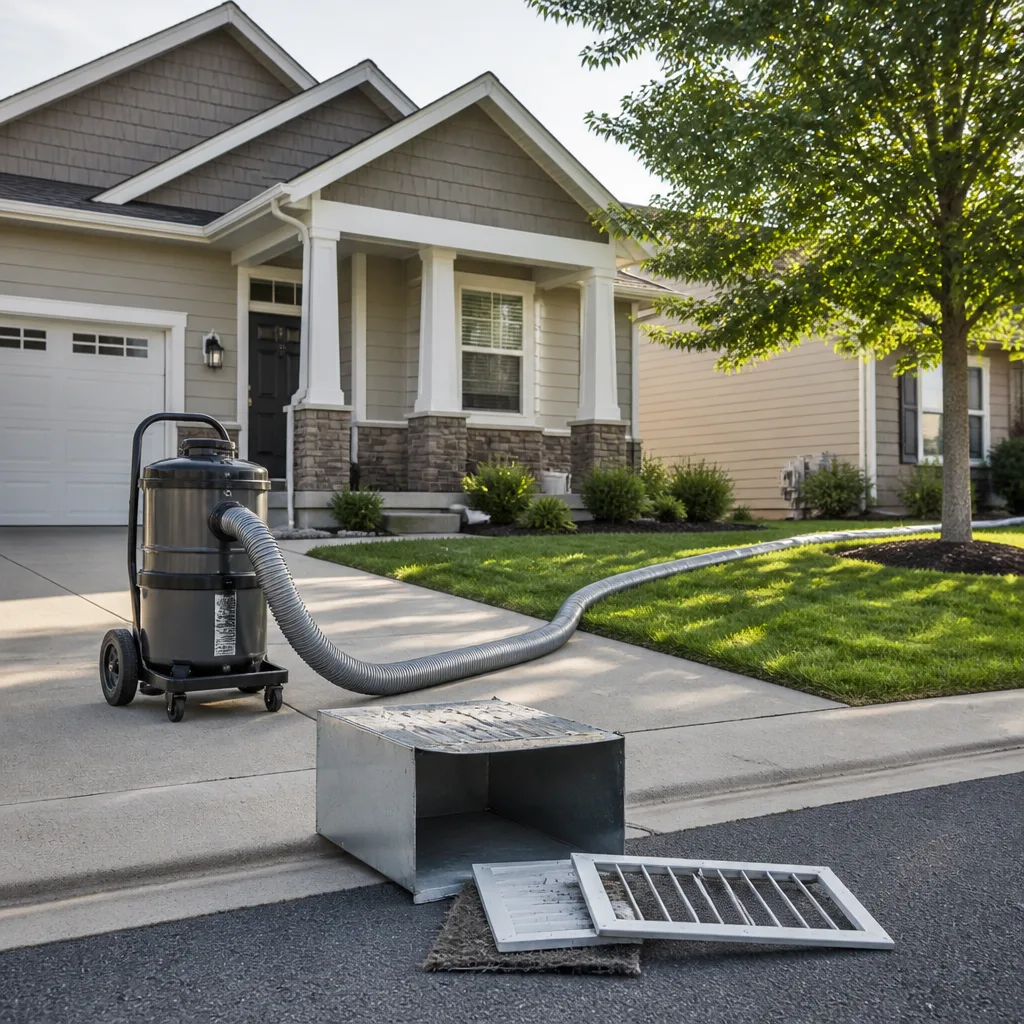 Whole-home duct cleaning
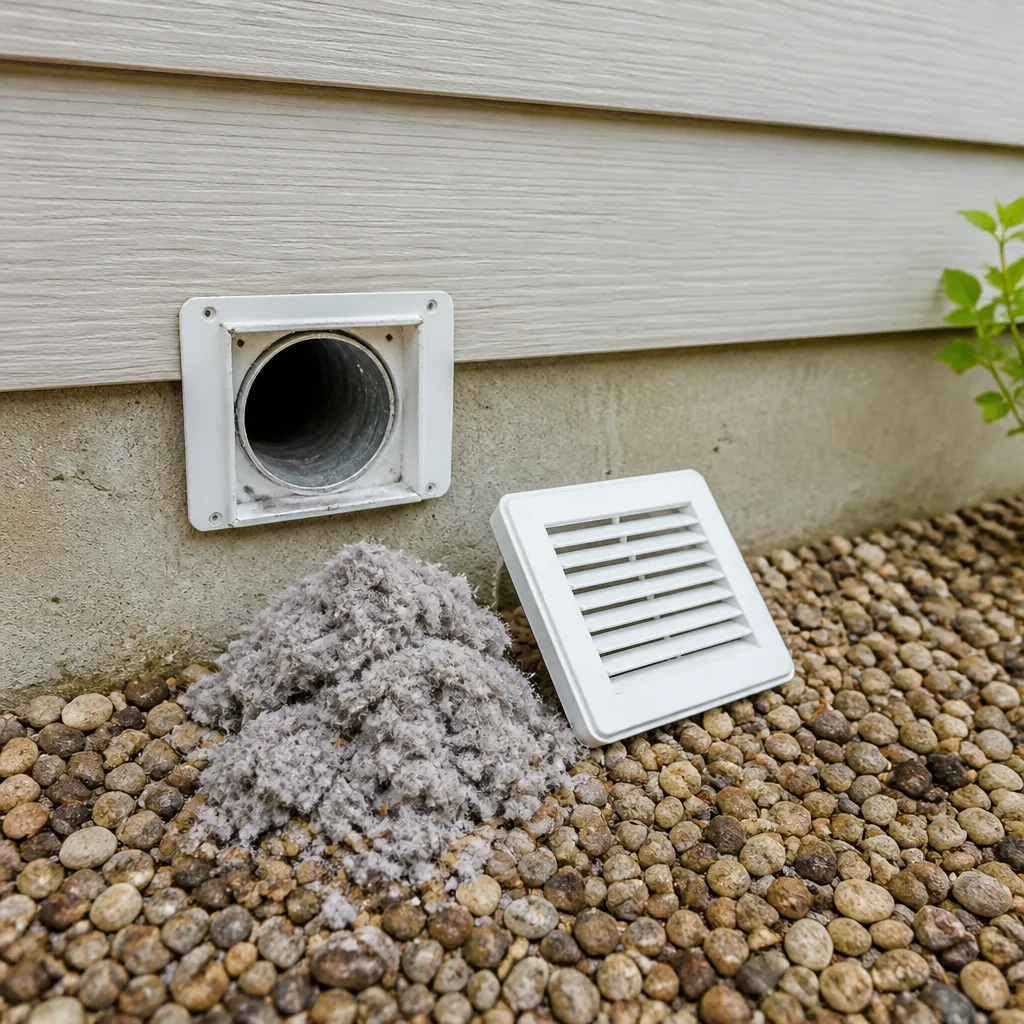 Dryer vent cleaning
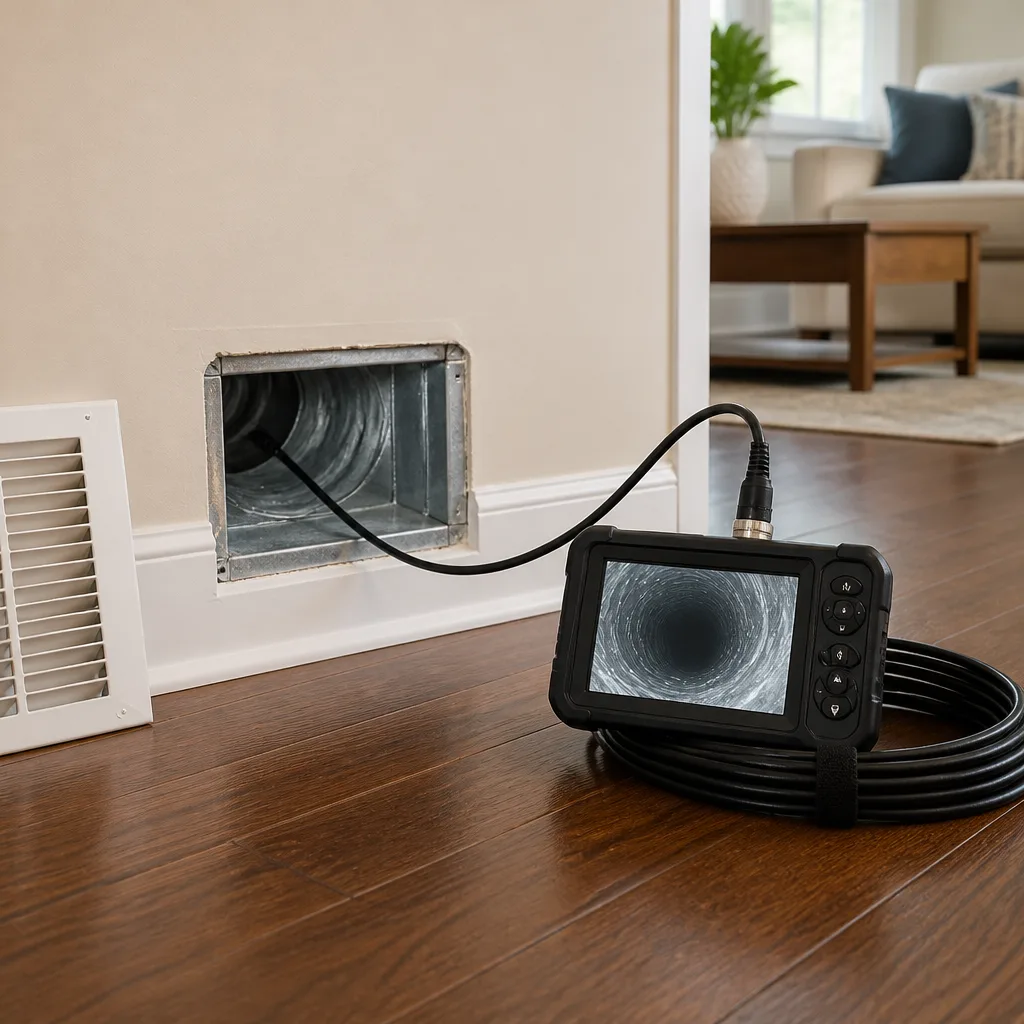 Camera inspection
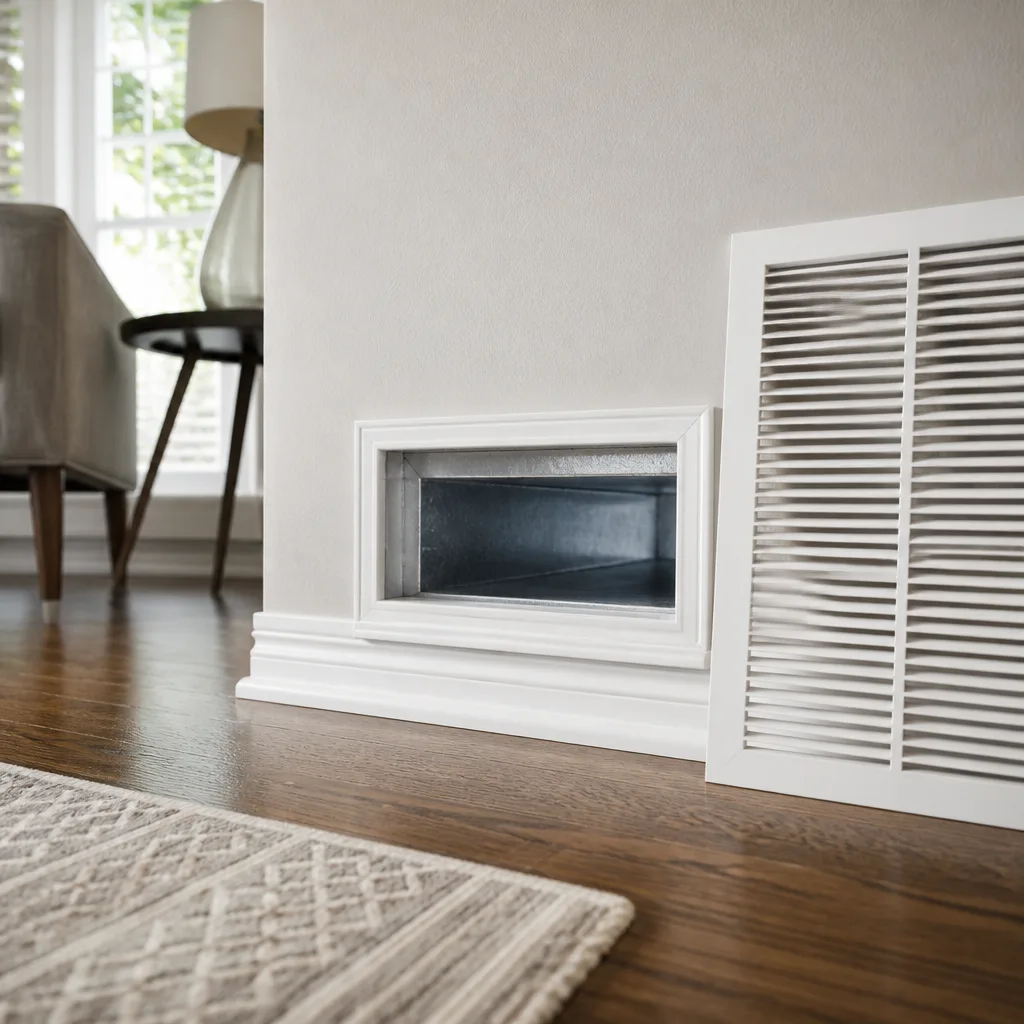 Sanitizing & deodorizing
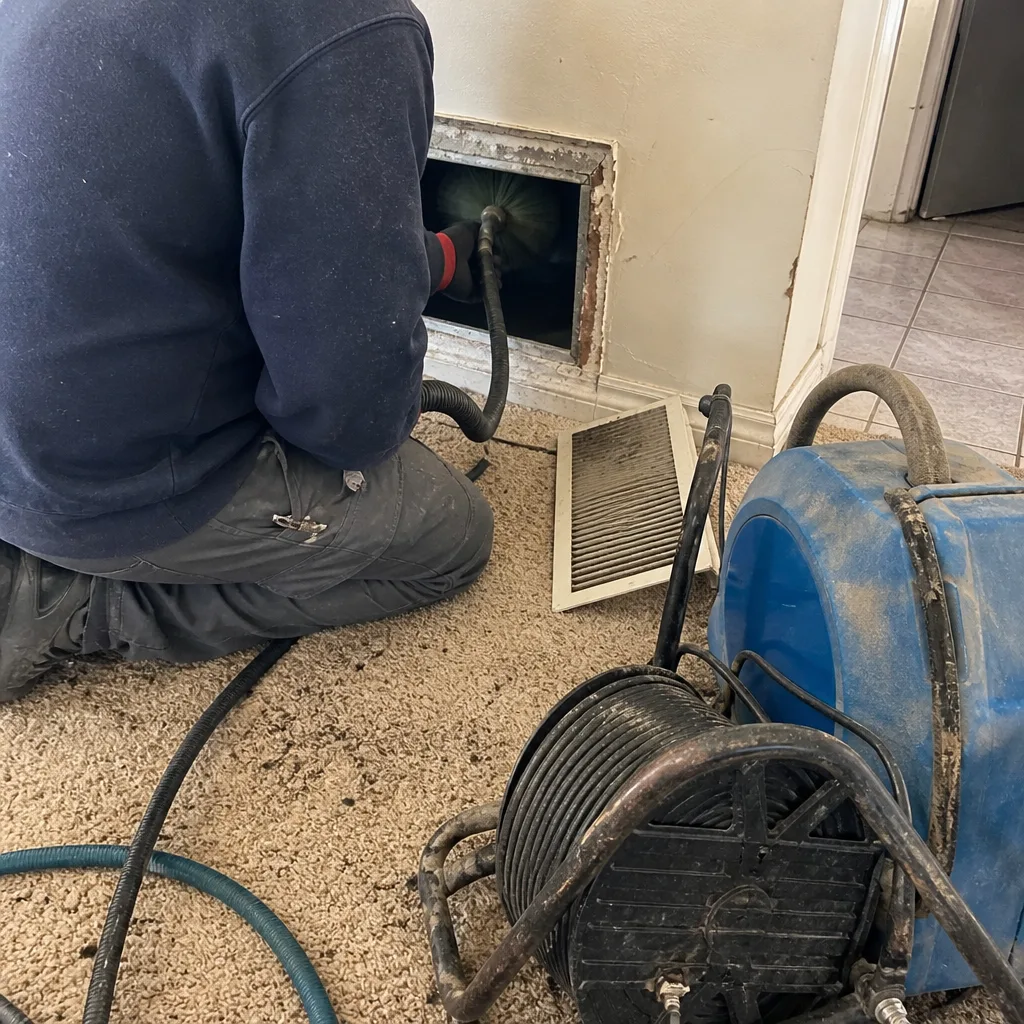
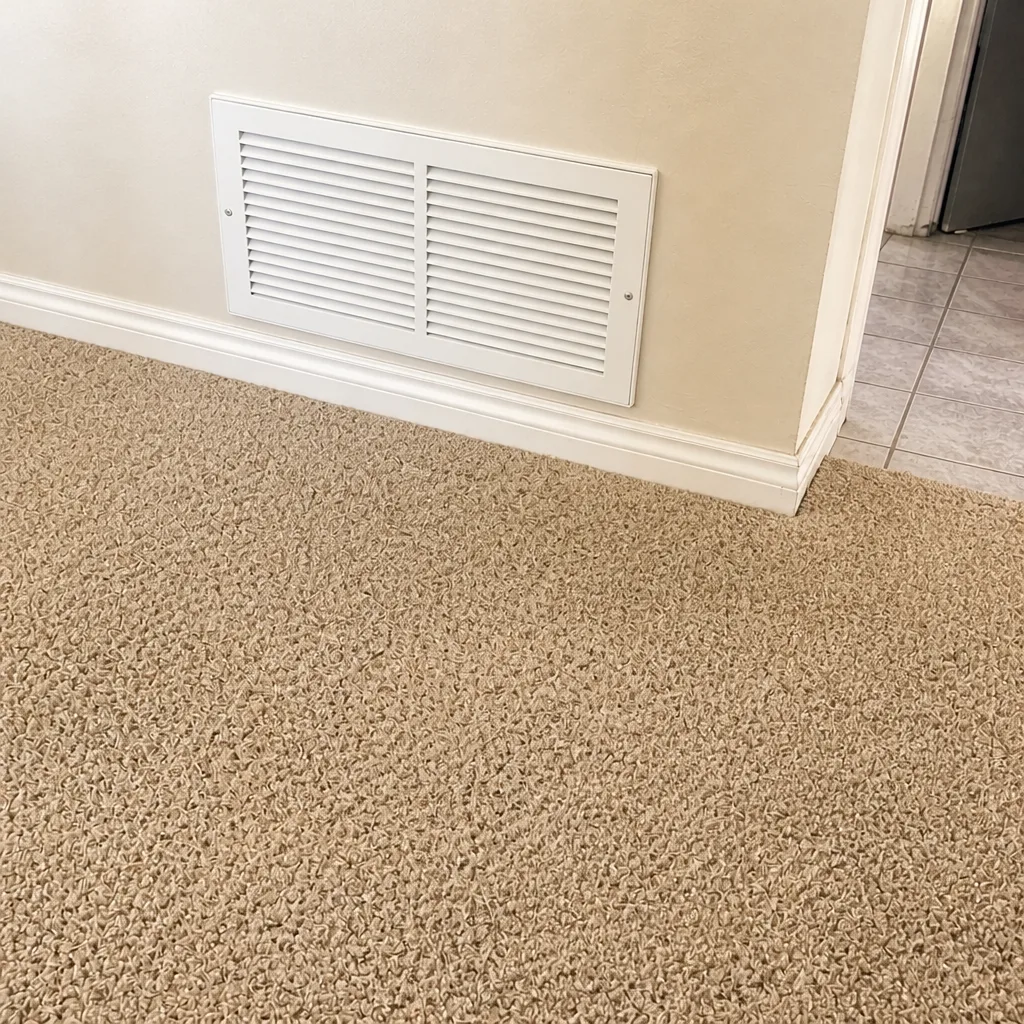
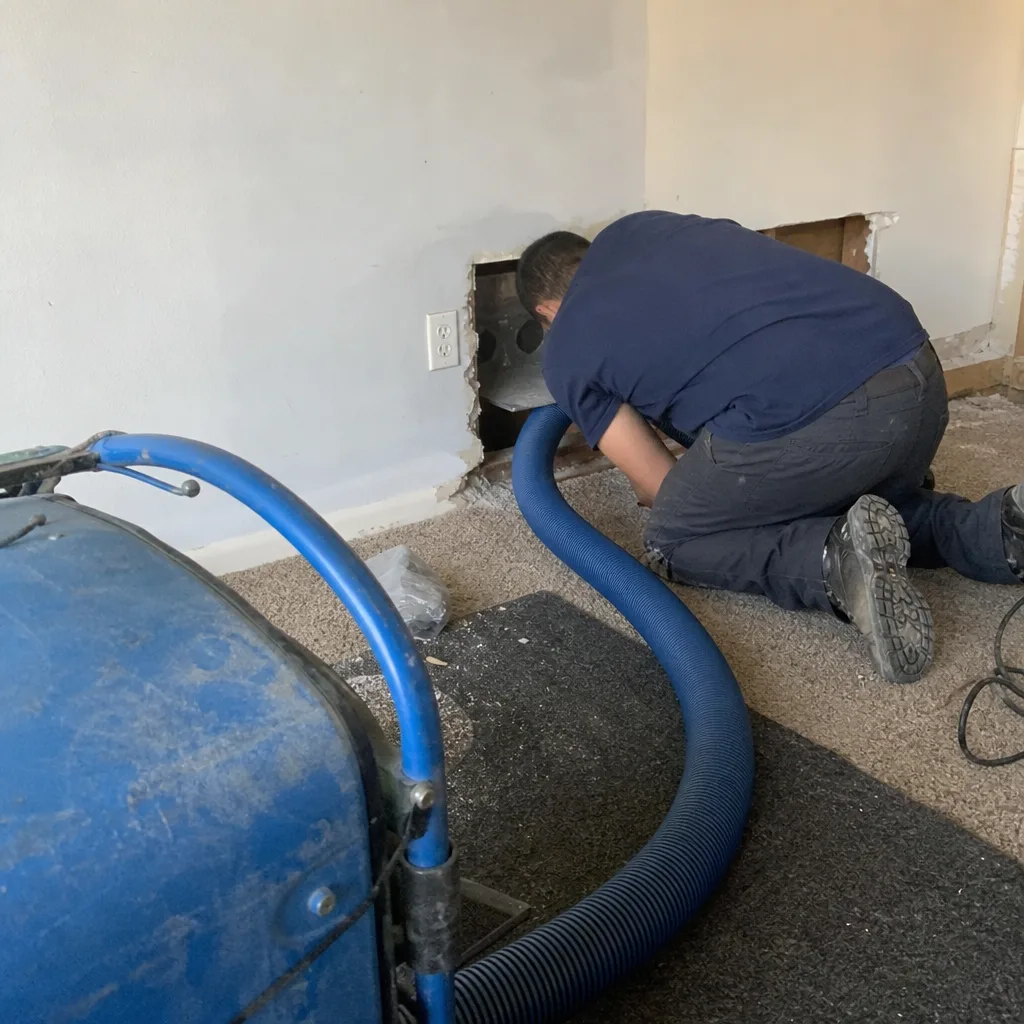
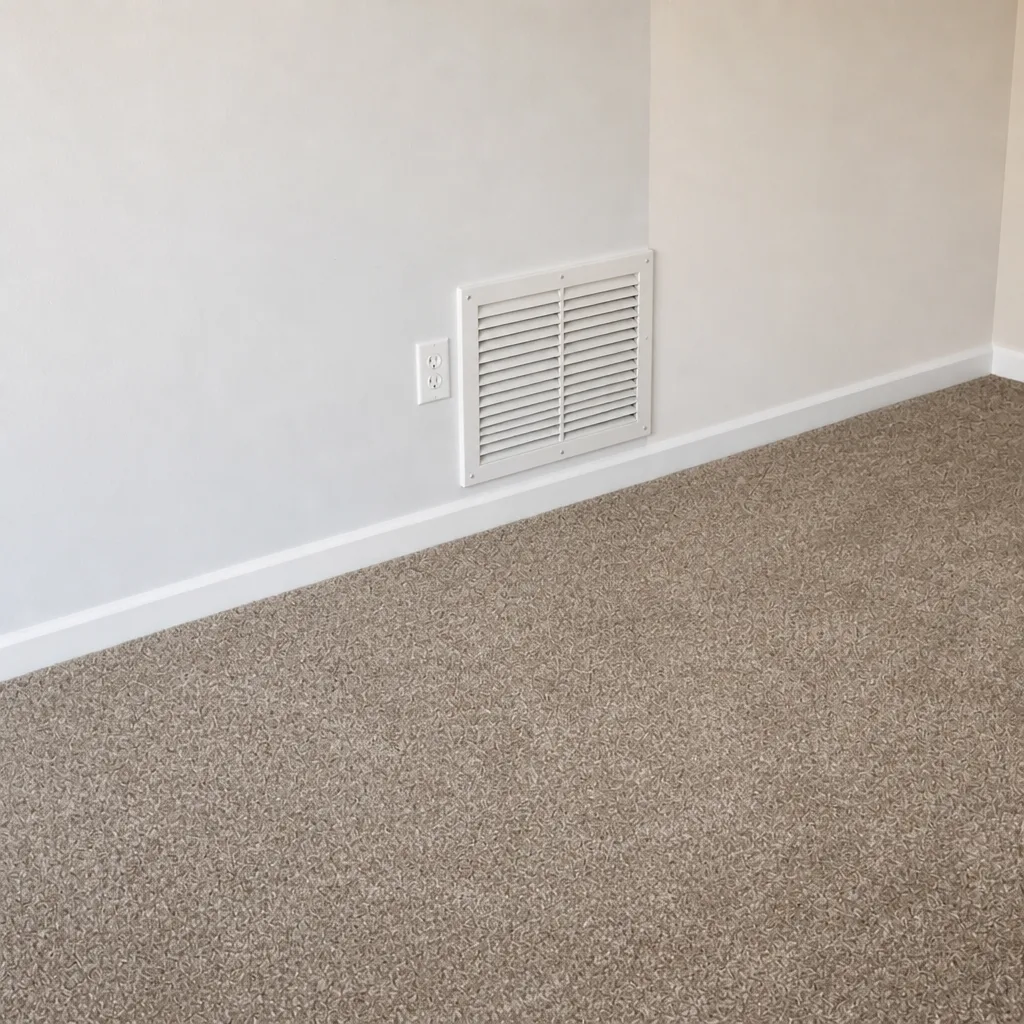
Whole-system duct and dryer vent check with before-and-after photos - you see exactly what came out of your vents
That "$99 whole-house special" is a bait ad - the real number appears once they are in your hallway, or the "clean" is a shop-vac at the register. We photograph the inside of your ducts before and after instead.
The Complete Guide to Air Duct Cleaning in Commerce City
Most duct cleaning advice you’ll find online was written for a generic suburban house in a generic American town. Commerce City isn’t that town. Sitting downwind of active rail yards and the Rocky Mountain Arsenal remediation zone, with a housing stock that runs from mid-century bungalows to new-build subdivisions off Tower Road, the particulate load that settles into local ducts looks different from what a homeowner in Centennial or Highlands Ranch is dealing with. Same equipment, different contamination.
That matters because a “standard” cleaning interval that works fine elsewhere can leave Commerce City homes under-served. This guide maps what a genuinely thorough job involves here: the equipment, the mechanical sequence, the difference between real source removal and a vacuum waved at the trunk line, and the red flags that tell you which one you just paid for.
Quick Answer
A thorough duct cleaning in Commerce City means mechanically agitating every supply and return branch with a rotary brush system, capturing the dislodged debris with a HEPA-filtered negative-air vacuum, and sealing the system afterward, not just vacuuming the main trunk line. For most Commerce City homes, especially those near the industrial corridor or in older neighborhoods like Derby or Original Thornton, the right interval is closer to every 3 to 5 years rather than the 5 to 7 years often quoted nationally. The written estimate should set the price before any work starts.
Styles & brands we work with
- Whole-home duct cleaning
- Dryer vent cleaning
- Camera inspection
- Sanitizing & deodorizing
Table of Contents
- Why Commerce City Ducts Get Dirtier Than Denver Metro Average
- The Mechanical Sequence of a Proper Negative-Pressure Cleaning
- Source Removal vs. Trunk Vacuuming: How to Tell What Was Actually Done
- When Duct Sanitizing Is Warranted and When It’s Upselling
- What a Full-System Contractor Checks Beyond the Ducts
- Dryer Vents: The Fire Risk Hiding Behind the Duct Cleaning
- How to Evaluate a Commerce City Duct Cleaning Estimate
Why Commerce City Ducts Get Dirtier Than Denver Metro Average
Commerce City’s geography does something to interior dust that isn’t obvious from a walk-through of your home. The city sits in the South Platte River valley at roughly 5,000 feet, with the Front Range foothills to the west and open plains to the east. That positioning means two things: high-altitude dry air year-round, and a prevailing wind pattern that moves particulate matter from industrial corridors toward residential blocks.
The rail yards along the eastern edge of the city handle a constant flow of freight. Diesel exhaust, brake dust, and metal particulates from wheel-on-rail friction are part of the airborne load. The Rocky Mountain Arsenal remediation zone to the north adds its own contribution during active soil disturbance, and even post-remediation, wind-blown dust from those areas carries mineral content that residential filtration catches but doesn’t eliminate. Any duct system drawing make-up air from an exterior intake is pulling that mix inside.
What this means for your ducts specifically:
- Finer particulate. Industrial and rail-generated dust tends to be finer than typical household dust, which lets it travel deeper into the duct run and settle on the return side where airflow is warmest and stickiest.
- Higher accumulation rate. Homes here can build up what a suburban Denver home takes twice as long to accumulate, especially in properties within a few blocks of major arterial roads like Vasquez Boulevard or Brighton Road.
- Mineral and metal content. This changes how debris behaves inside the duct. It clings more stubbornly to galvanized steel than organic household dust alone would, and it doesn’t release readily with a light pass.
- Seasonal swings. Spring wind events and summer ozone season both push more particulate through exterior intakes. Fall and winter heating season then bakes it onto heat exchanger surfaces.
None of this is a reason to panic. It is a reason to take the standard “every 5 to 7 years” interval with a grain of salt and to insist on mechanical contact cleaning rather than a light vacuum pass when the work does get done. If you’re weighing a first cleaning for your home, our air duct cleaning service page lays out what’s included in a full-system visit.
The Mechanical Sequence of a Proper Negative-Pressure Cleaning
A professional duct cleaning follows a fixed sequence, and every step matters. Skip one and you leave debris behind, or worse, you blow it into the living space. Here’s what an actual negative-pressure cleaning looks like from the inside, using equipment like the Rotobrush rotary brush system and a Nikro negative-air vacuum.
- System inspection and access planning. The technician maps every supply and return branch, locates the main trunk, and identifies where access cuts will be needed. Most homes require small access ports at the plenum and at strategic branch points. These are later sealed.
- Negative-air vacuum connected. A HEPA-filtered vacuum is tied into the main trunk through an access port. This creates negative pressure across the whole system, so dislodged debris is drawn toward the vacuum rather than pushed into rooms.
- Containment setup. Abatement Technologies air scrubbers and containment gear are staged at the register openings, particularly in occupied spaces like kitchens and bedrooms. This keeps fine dust out of the air you’re breathing while work is happening.
- Rotary brush agitation, branch by branch. A rotary brush on a flexible shaft is fed down each supply branch, mechanically agitating the duct walls from the register back to the trunk. The brush physically scrapes contamination loose; the negative-air vacuum captures it.
- Return-side cleaning. Returns carry more contamination than supplies in most homes because they pull from floor level. Each return branch gets the same agitation and capture treatment.
- Trunk and plenum cleaning. The main trunk and air handler plenum are cleaned last, once branch debris has been drawn back. This is where a lot of blow-and-go operators skip work.
- Component cleaning and inspection. Coil surfaces, blower wheel, and filter housing are checked and cleaned as needed. More on this below.
- Access port sealing and system test. All access cuts are sealed, and the system is run to confirm airflow and check for any leaks at the newly sealed ports.
- Before-and-after documentation. Photos of the duct interior are taken at multiple points during the job. You should see them.
This sequence typically takes several hours for a mid-sized Commerce City home, more for larger properties or heavily contaminated systems. Anyone quoting a 45-minute complete job is not following this sequence.
Source Removal vs. Trunk Vacuuming: How to Tell What Was Actually Done
Source removal means every contamination source inside the duct system gets contact-cleaned: every supply branch, every return branch, the trunk, the plenum, and the components. Trunk vacuuming means a vacuum is put on the main line, but the branches are only lightly suctioned or skipped entirely. The two jobs look similar from the outside. They are not the same.
The reason this distinction matters in Commerce City specifically has to do with where the debris settles. In high-particulate environments, contamination builds up heaviest in the branch lines and near the registers, not just the trunk. A trunk-only vacuum pulls whatever is loose in the main run and leaves the branch walls coated. Within a heating season, that coating is re-entrained into the airstream.
How to tell which one you got:
- Ask for before-and-after photos. Not just the trunk. Ask to see photos of specific branch interiors, ideally from more than one room’s register back to the trunk. A real source-removal job produces dozens of these.
- Count the access ports. A proper source-removal job involves cutting and resealing access points. If no ports were cut and then sealed, the branches weren’t contact-cleaned.
- Ask how long it took. A whole-system source removal on a typical Commerce City home runs three to five hours minimum. Under an hour is not source removal.
- Look at the register faces. After a real source-removal job, register covers and diffusers are visibly cleaner on both sides, not just the visible one.
- Watch the vacuum setup. A HEPA-filtered negative-air vacuum at the trunk is standard. A shop vac at one register and no trunk connection is not source removal; it’s a light surface pass.
If a coupon-driven operator won’t show interior photos or explain what sequence was followed, assume trunk vacuuming and price accordingly. The written estimate should tell you exactly which scope you’re paying for before work starts.
When Duct Sanitizing Is Warranted and When It’s Upselling
Sanitizing with an EPA-registered antimicrobial is worth doing in specific conditions and unnecessary in others. Understanding the difference prevents both under-treatment and unnecessary spend.
Sanitizing is warranted when:
- There has been a moisture event inside the system (condensate leak, roof leak, or high indoor humidity that fed microbial growth on coil surfaces).
- There has been a pest intrusion (rodents in ducts leave behind contamination that requires more than mechanical cleaning).
- A previous occupant had a pet situation, smoke exposure, or an illness concern that makes residue removal relevant.
- There is persistent musty odor from registers that survives cleaning, indicating microbial growth somewhere in the air pathway.
Sanitizing is generally not warranted when the ducts are simply dirty from normal accumulation, with no moisture, pest, or odor issue. In that case, mechanical source removal followed by proper sealing addresses the problem, and an antimicrobial fog is a surface treatment that doesn’t replace removal. What it does not do is substitute for proper cleaning; a fogged dirty duct is still a dirty duct with a treated surface.
Ask a technician directly why sanitizing is being recommended. A specific answer points to a source. A vague one (“it’s part of our package”) is upselling. In our experience, the right call comes from looking at the specific conditions in the system, not from a default add-on.
What a Full-System Contractor Checks Beyond the Ducts
The ducts are the most visible part of the air pathway, but they aren’t the only place contamination collects. A full-system inspection covers three reservoirs that are commonly missed in narrower duct cleaning jobs.
Evaporator and heating coil surfaces
The evaporator coil (in cooling season) and heat exchanger surfaces (in heating season) sit directly in the airstream. Over time, dust, lint, and microbial growth build up on the fins. This both reduces efficiency (restricted airflow means longer run times and higher bills) and adds contamination to the supply air. Coil cleaning is a separate step that involves different equipment than duct cleaning. If your duct cleaning quote doesn’t address coil surfaces, ask about them.
Blower wheel
The blower wheel moves air through the whole system. When it collects dust on the fins, it loses balance and efficiency, and the dust itself becomes a contamination source blowing into the airstream. In high-particulate environments like Commerce City’s industrial corridor, blower wheel fouling can be significant even in a system that was duct-cleaned a couple of years back. The wheel needs to be pulled and cleaned, not just sprayed in place.
Filter housing and return plenum
If the filter housing or the return plenum sealing is compromised, unfiltered return air bypasses the filter entirely. That’s common in older homes where the filter frame has warped or the plenum has cracked seams. Duct sealing (see below) handles this, but only if the inspector catches it. A duct cleaning job that doesn’t look at the filter housing and plenum is only doing half the work.
Duct repair and sealing address the same root cause from a different angle. Small leaks at duct joints, at register boots, or along seam runs can lose a meaningful share of conditioned air into wall cavities and attic spaces, and pull unfiltered air from those cavities back into the system. Sealing in our full-system service means the work finishes with the system tested, not just patched. If your home runs a whole-home humidifier or air cleaner from a familiar brand like Aprilaire or Honeywell, the technician inspecting it should be able to speak to how those components interact with the duct system and whether they need cleaning or adjustment as part of the job.
Dryer Vents: The Fire Risk Behind the Duct Cleaning
Most duct cleaning guides treat dryer vent cleaning as an add-on upsell. It’s better thought of as a separate safety service with its own failure mode. A clogged dryer vent is a fire risk, full stop. Lint accumulates on the interior of the vent pipe and around the transition elbow behind the dryer. When the vent is restricted, the dryer runs hotter than designed, and the lint that’s already accumulated is closer to an ignition source.
Commerce City homes have a few specific things make this more relevant:
- Older housing stock in neighborhoods like Derby and Adams City often has dryer vent runs that are longer than current code recommends, with multiple elbows. More distance and more turns mean more places for lint to catch.
- Rigid versus flexible venting. Some older installs used flexible foil or vinyl venting that traps lint more readily than rigid metal. Replacing it is part of what a proper dryer vent service looks at.
- Basement and utility-room installations. Many homes route the dryer vent up through the roof or out through a long horizontal run. Both designs are legitimately harder to clean and more prone to restriction than a straight back-of-dryer wall vent.
A dedicated dryer vent cleaning visit should involve running a rotary brush through the full vent length, extracting lint with simultaneous vacuum capture, then confirming airflow from the exterior termination and checking the transition elbow behind the dryer. If your vent termination has a flap that doesn’t swing freely, or you’re pulling lint out of the lint trap on every load (a sign the trap is catching what the vent isn’t), it’s time to schedule.
How to Evaluate a Commerce City Duct Cleaning Estimate
The single biggest frustration with this industry is the bait-and-switch estimate: a low teaser price advertised, then a much larger invoice once the technician is in the door. Here’s how to evaluate any quote and protect against that scenario.
Start with scope, not price. Get the quote in writing, and make sure it spells out:
- Whether every supply and return branch will be contact-cleaned, or just the trunk line.
- Whether access ports will be cut and sealed (a real source removal job includes this).
- Whether coil surfaces, blower wheel, and filter housing inspection is included.
- Whether before-and-after photos of the interior ductwork are part of the deliverable.
- What equipment will be used. Rotobrush and Nikro equipment, Abatement Technologies air scrubbers, and HEPA-filtered negative-air vacuum capture are the industry-standard tools. Anyone who can’t name their equipment or describes “our own proprietary system” without specifics is worth a second look.
- How the price is structured. One flat price for the whole system, based on the written estimate, is the standard we hold to. Per-vent pricing invites scope creep.
Then compare quotes on scope. A quote at one number for full-system source removal and a quote at a lower number for trunk-only vacuuming aren’t the same job, and shouldn’t be compared as if they are. If you want to understand how HVAC cleaning compares as a distinct service with a different scope, our HVAC cleaning page covers what’s included there.
The estimate should be free and given in writing before any work starts. Any contractor who won’t put scope and price in writing isn’t operating in a way that protects you.
Common Mistakes to Avoid
A few specific mistakes come up repeatedly with Commerce City homeowners in our experience. Each of these is worth checking before you hire.
- Booking on price alone with a coupon operator. Coupon pricing is structurally set up so the low number becomes a much higher invoice once the technician is inside. Price matters, but scope and equipment matter more, and a written estimate prevents the surprise.
- Not asking for before-and-after photos. If you don’t see interior duct photos of your own system, you don’t know what was done. Any contractor worth hiring produces these as standard output.
- Accepting a “sanitizing included” claim without asking what it treats. Antibacterial fog on dirty ducts doesn’t replace the cleaning. Sanitizing is warranted for specific conditions, not as a default add-on.
- Skipping the dryer vent every time. Dryer vent cleaning is a separate service from duct cleaning and it addresses a genuine fire risk. It gets scheduled separately, and skipping it because the ducts were just done leaves the vent at whatever restriction level it had.
- Ignoring blower wheel and coil surfaces. A duct cleaning that leaves the blower wheel fouled and coil fins loaded is only doing half the job. In a high-particulate environment, these components foul faster than the duct walls do.
- Looking for a cheap duct cleaning in Commerce City rather than a thorough one. You can always find a cheaper quote. The variable is what gets done for it. A thorough job at a fair price beats a cheap one that needs to be repeated in a year.
- Not asking whether access ports will be cut and sealed. If no ports are mentioned, the branches aren’t getting contact-cleaned. This is the single clearest tell in a written estimate.
If you want to cut through the noise and talk to someone who will explain the actual scope of work for your home, we’re happy to walk through it. Call (877) 492-4447. We answer 24/7. Fast dispatch from 7am to 7pm, Sunday through Friday.
See the difference
 Before
 After
 Before
 After
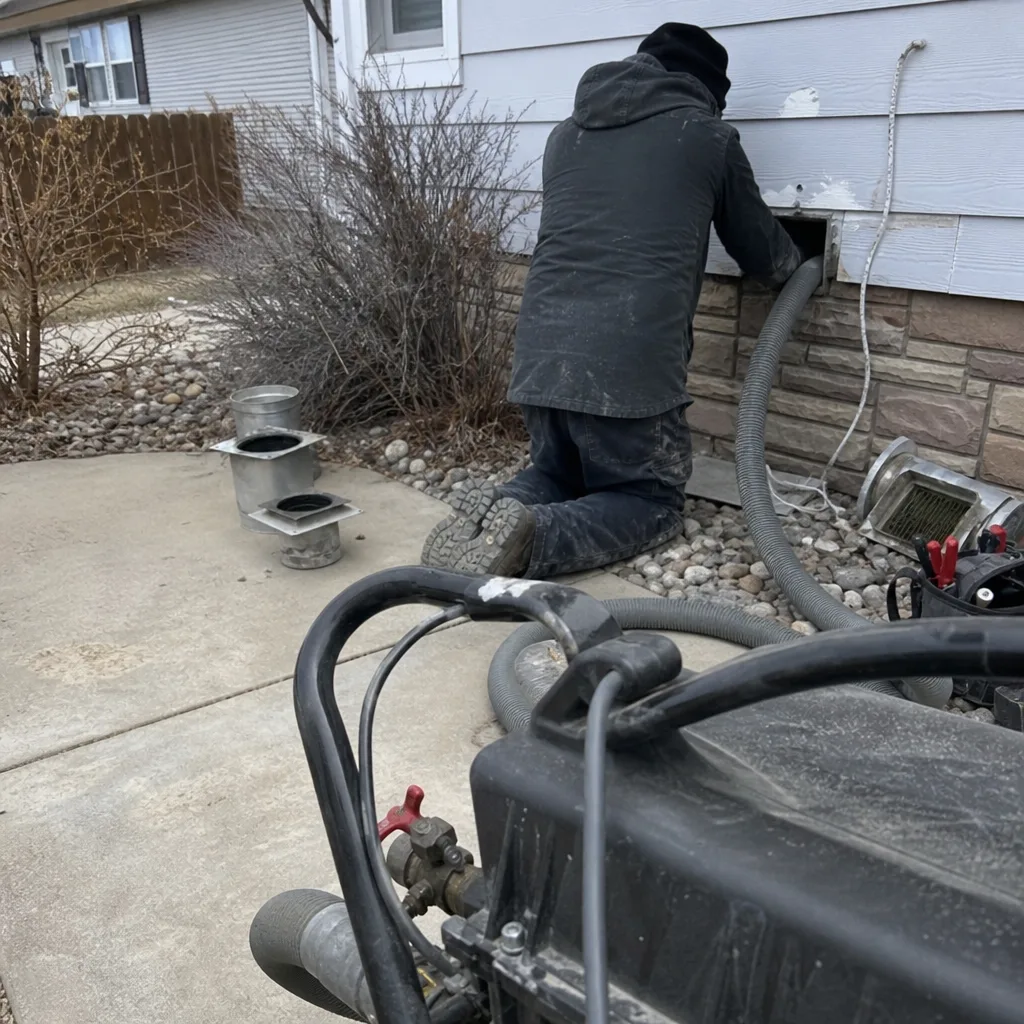 Before
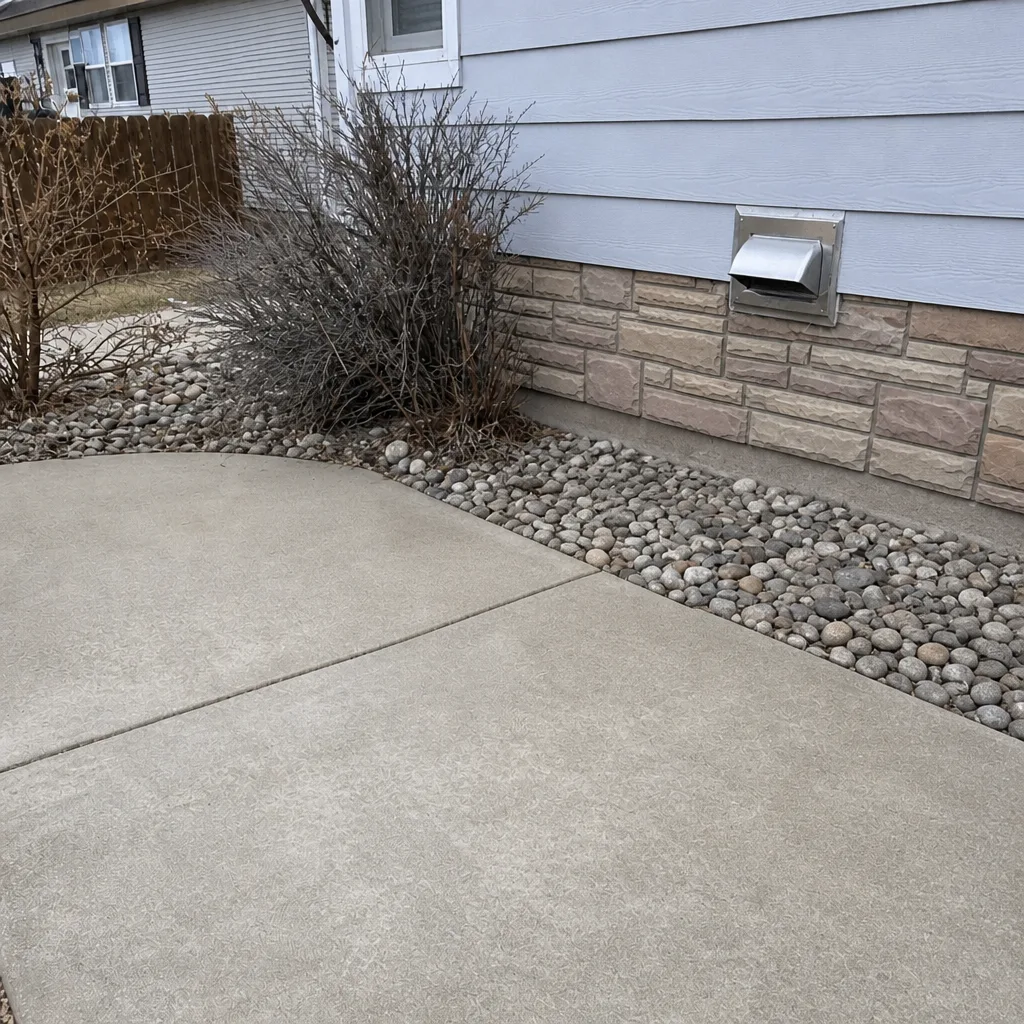 After
When to Call a Professional
Scheduling a professional cleaning isn’t about hitting a fixed interval. It’s about recognizing when the conditions in your home justify it. Call when:
- You see visible dust discharge from registers when the system kicks on.
- Musty or stale odors come from any register during heating or cooling.
- You’ve recently moved into an older Commerce City home (Derby, Adams City, or the areas near Brighton Road) without a documented cleaning history.
- You’re noticing persistent allergy or respiratory irritation that clears when you leave the house.
- Your energy bills have crept up without a rate change, suggesting the system is working harder against restricted airflow.
- You see dust trails on register faces or up the wall near returns.
- You’ve had work done on the home in the past year that generated dust (renovation, roof work, foundation work).
- You’re near the industrial corridor or the rail yards and haven’t had a cleaning in the past three years.
Commerce City Air Duct Cleaning offers free estimates in Commerce City. Call (877) 492-4447 to schedule an assessment, and the written estimate will spell out exactly what your system needs.
Frequently Asked Questions
Most residential whole-system duct cleanings in Commerce City fall into a wide range depending on home size, contamination level, and whether dryer vent cleaning is added. The honest way to price a job is a free on-site estimate based on the actual system, with one flat price agreed before work starts. Call (877) 492-4447 for an exact quote. Estimates are free.
Cheap quotes usually reflect a smaller scope: trunk-only vacuuming rather than branch-by-branch source removal, no access ports cut and sealed, and no interior photos of your own system. You’re comparing different jobs, not different prices on the same job. Ask for the written scope before accepting any number. If a quote doesn’t spell out what’s being done, assume it’s the shorter version.
Before-and-after photos of your own duct interiors are the clearest evidence. A thorough job produces photos at multiple points across the system, including branches, trunk, and plenum. If photos weren’t provided, ask for them. If the contractor can’t produce them, that tells you something. Every estimate we provide includes documentation as part of the work.
For homes in Commerce City’s industrial corridor or near active rail lines, every 3 to 5 years is a more realistic interval than the national norm of 5 to 7. Homes further from the corridor may stretch the interval out. The presence of pets, recent renovation, or allergy symptoms in the household shortens it further. The condition of the system matters more than the calendar. A free estimate will tell you what your specific system looks like. Call (877) 492-4447 for one.
Sanitizing with an EPA-registered antimicrobial is warranted after a moisture event, a pest intrusion, persistent musty odors, or specific health concerns. It’s generally not necessary for a system that just accumulated dust and needs source removal. Ask the technician why it’s being recommended. If the answer is specific to conditions in your system, it’s legitimate; if it’s “we always include it,” it’s an upsell. Our technicians have up to 14 years of experience and can explain exactly what sanitizing would treat in your case.
Yes. Dryer vent cleaning is a separate service with its own equipment and scope, but it can be scheduled alongside duct cleaning to address the full air pathway in one visit. Given the fire risk associated with restricted dryer vents, we recommend scheduling both on the same visit. Call (877) 492-4447 to arrange both in one estimate.
The Bottom Line
$A duct cleaning in Commerce City is only as good as the sequence behind it. Mechanical agitation of every branch, HEPA-filtered negative-air capture, coil and blower inspection, and sealed access ports afterward are the four things that separate real source removal from a trunk pass. If two of those four are missing, the job is incomplete. Local variables matter too: the industrial corridor and rail yards mean most Commerce City homes accumulate contamination faster than the national average, so the calendar interval should flex to match. And the pricing question is answered by a written estimate, not a coupon. Our team at Commerce City Air Duct Cleaning provides free estimates and works the full air pathway under one scope.
Call (877) 492-4447 for a free estimate. We answer 24/7. Fast dispatch from 7am to 7pm, Sunday through Friday.
Written by the team at Commerce City Air Duct Cleaning.