
Last updated November 25, 2026
 Whole-home duct cleaning
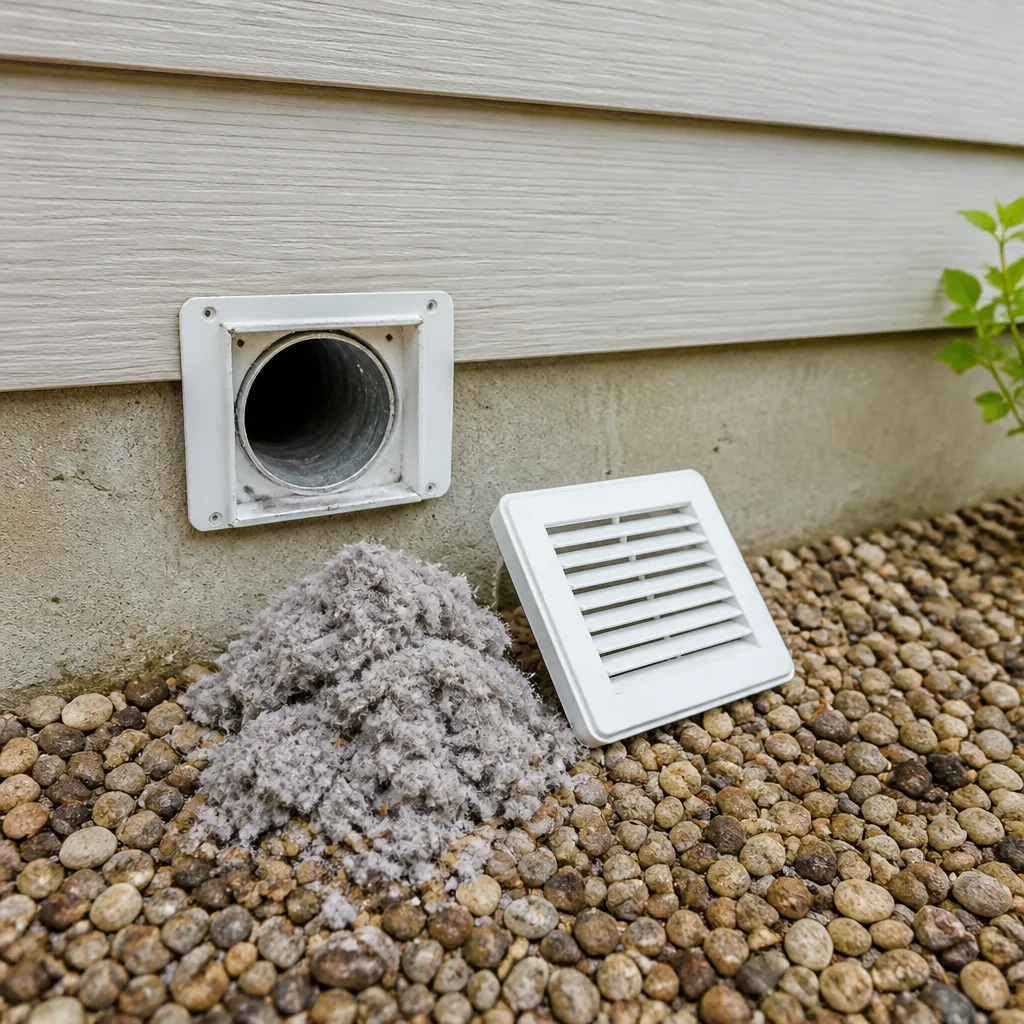 Dryer vent cleaning
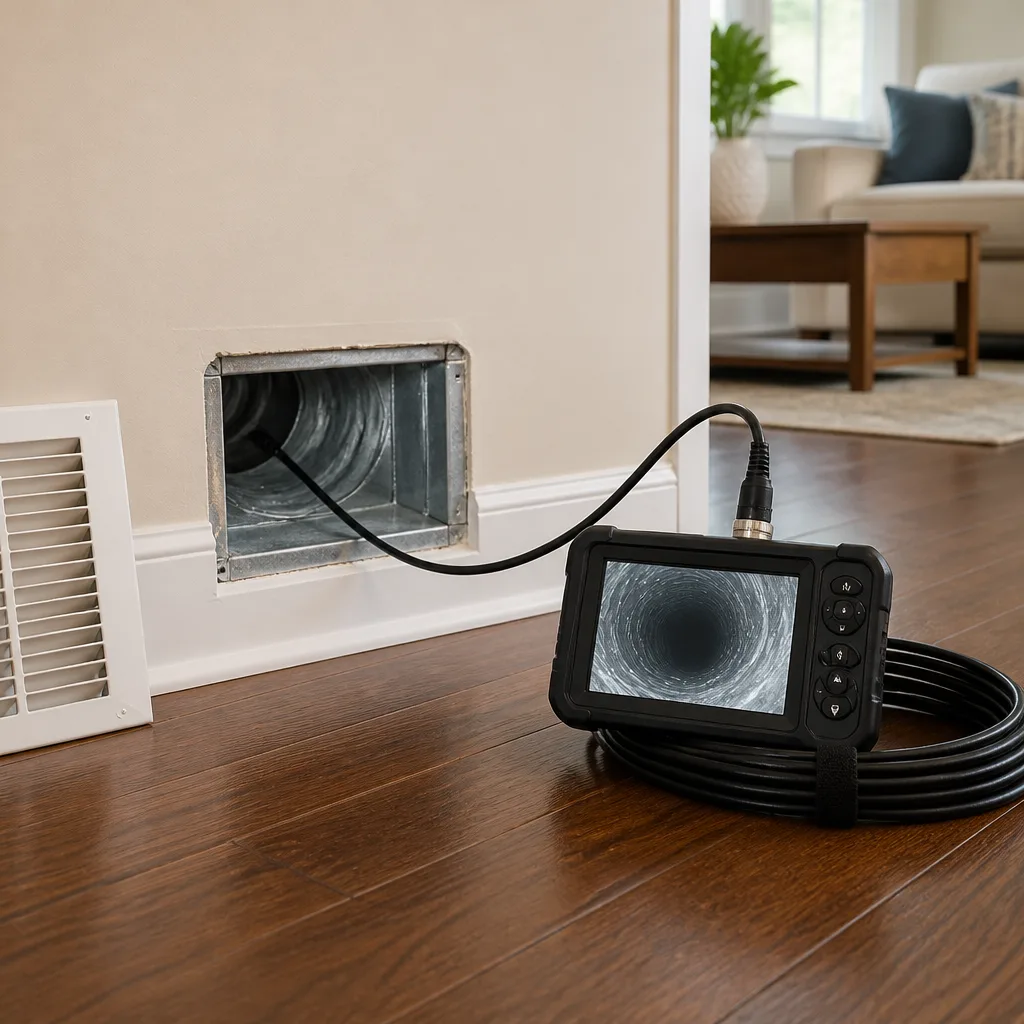 Camera inspection
 Sanitizing & deodorizing
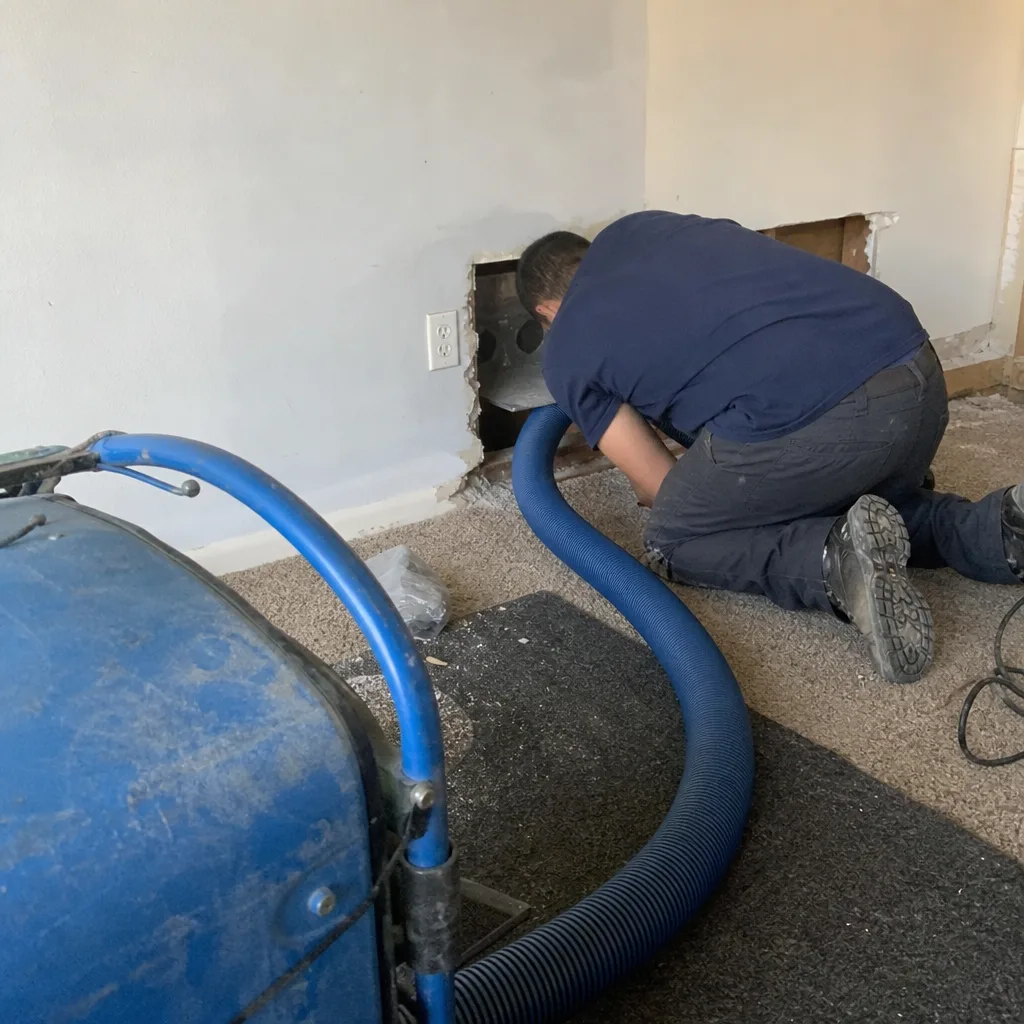
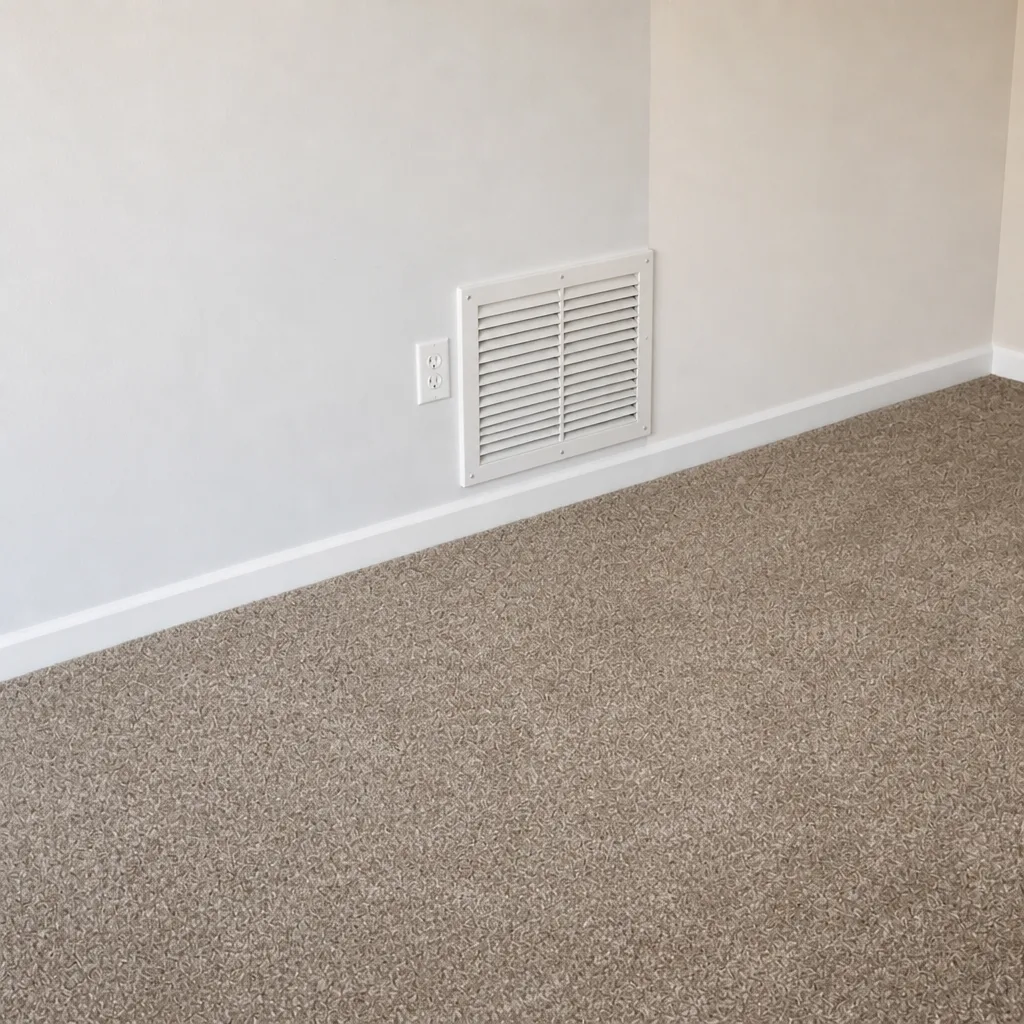
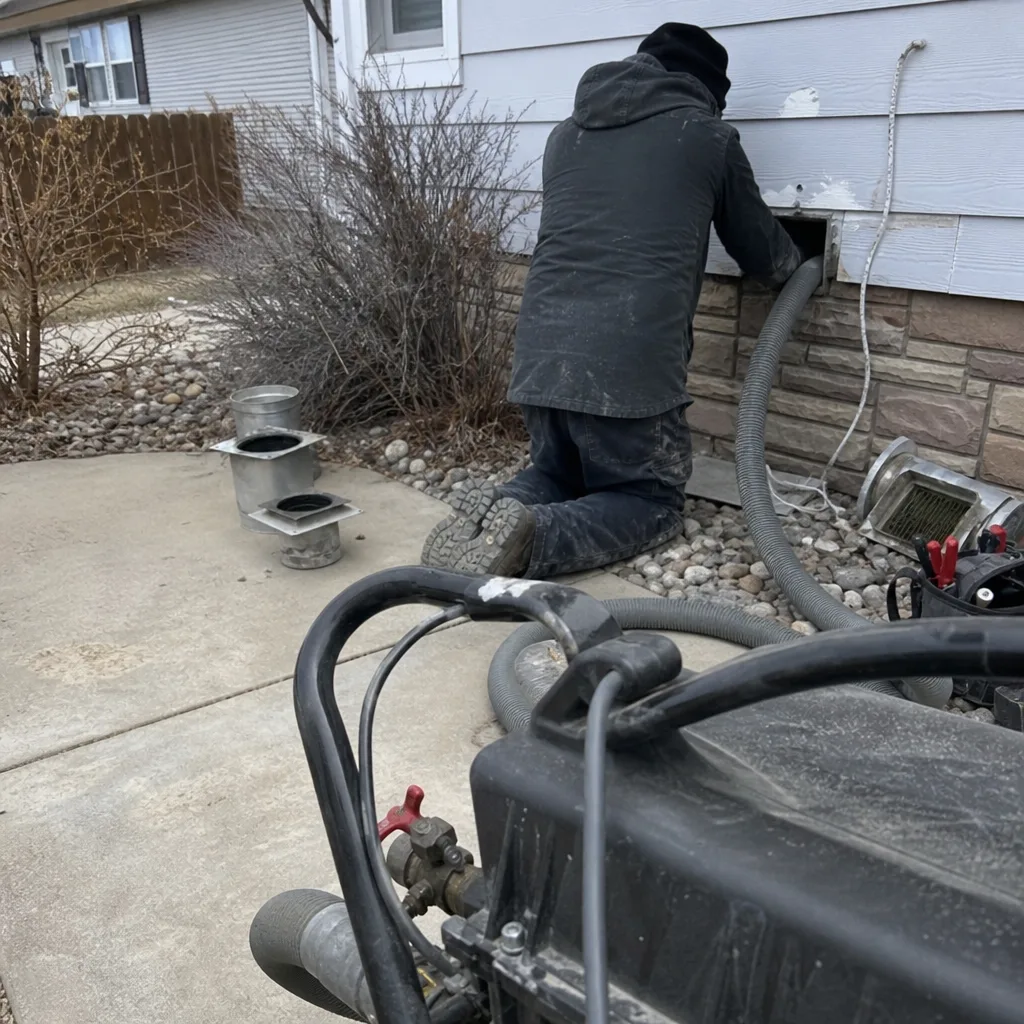
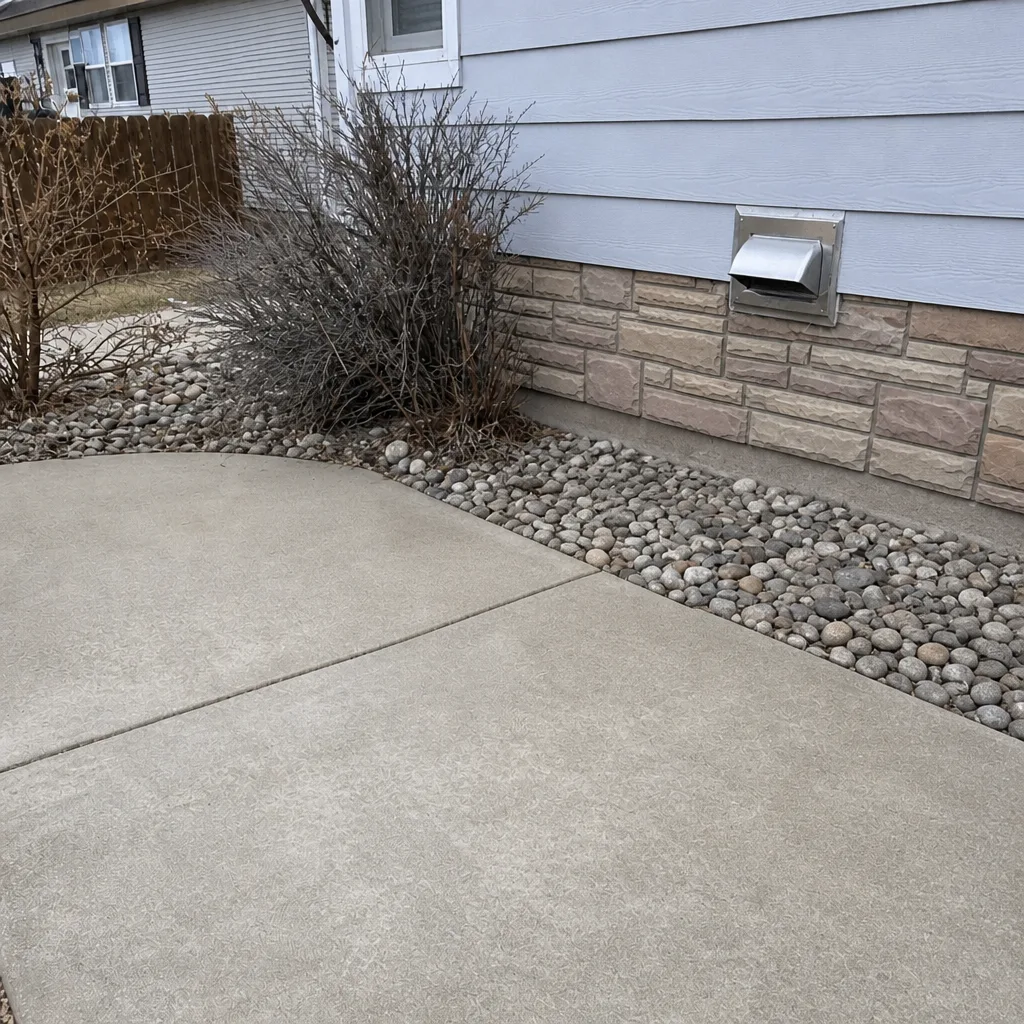
Whole-system duct and dryer vent check with before-and-after photos - you see exactly what came out of your vents
That "$99 whole-house special" is a bait ad - the real number appears once they are in your hallway, or the "clean" is a shop-vac at the register. We photograph the inside of your ducts before and after instead.
Air Duct Cleaning Maintenance Checklist for Commerce City Homeowners
The filter you replace every three months can’t protect against debris that bypasses it through a loose register boot or a disconnected flex duct. That contamination is accumulating inside your system right now, invisible to any inspection that stops at the grille. Most homeowners treat duct cleaning as a single event, something to schedule and forget. A checklist works differently. It’s a set of monthly, quarterly, and annual observations that let you catch duct degradation, filter bypass, and microbial growth before they turn into expensive problems. This guide lays out exactly what to check, how to score what you find, and how to log it so your cleaning schedule reflects your Commerce City home instead of a generic industry average.
Quick Answer
A workable duct maintenance checklist has three tiers: monthly homeowner checks (filter condition, register airflow, visible mold at accessible grilles), quarterly seasonal checks (outdoor intake screens and return plenums after high-dust periods), and annual professional benchmarks (static pressure testing, blower wheel and coil inspection). Log each finding so you can spot trends. Then clean when your log says it’s time, not on a fixed three-to-five-year clock, because Commerce City’s wind and dust load means systems here often need attention sooner.
Styles & brands we work with
- Whole-home duct cleaning
- Dryer vent cleaning
- Camera inspection
- Sanitizing & deodorizing
Table of Contents
- Why a Checklist Beats a Cleaning Reminder
- Monthly Homeowner Checks
- Quarterly Checks for Commerce City Wind and Dust
- Annual Professional Benchmarks
- How to Build a Maintenance Log
- Setting Your Own Cleaning Interval
- Red-Line Items: Stop and Call Now
- What You Can Do Yourself vs. What Needs a Pro
Why a Checklist Beats a Cleaning Reminder
A reminder tells you when to do something. A checklist tells you what to look for in the weeks between, and that’s where the diagnostic value lives. Duct systems rarely fail suddenly. They degrade slowly through small failures: a register boot that pulls away from the subfloor, a flex run that gets compressed and kinked, a filter that slips out of its track and lets air bypass entirely.
That filter bypass problem is the one homeowners miss most. A filter only works if air travels through the media. When a filter sits loose in its frame or a slot is undersized, unfiltered air slips around the edges, carrying dust straight into the return plenum and out to the blower and evaporator coil. You change the filter on schedule and still find a dusty coil, because the filter was never the only path.
In Commerce City, that bypass problem gets amplified. The city sits on the eastern side of the Denver metro where wind events lift loose soil and transport it across open ground, and much of the housing stock near the Reunion and Buckley areas was built during fast construction cycles where duct sealing sometimes got minimal attention. Homes here often run furnaces hard through cold snaps and switch to cooling fast when spring warms up, which pushes air through the full pathway year-round. A checklist picks up those stress points before they compound.
Our technicians have up to 14 years of experience, and what they find again and again is that the homeowner who keeps notes saves money. A written record shows whether dust is accumulating at a normal rate or accelerating, and that distinction is what separates a scheduled cleaning from an emergency one.
Monthly Homeowner Checks
These take about fifteen minutes with a flashlight and a notepad. Do them on the same day each month so the comparison is meaningful.
1. Score the filter each month, don’t just look at it
Hold the filter up to a light source. A new pleated filter will show even light through the media. A filter that has gone gray and blocks most light is loaded. Score it on a simple three-point scale:
- Light and even: still doing its job, note the date and check again next month.
- Visibly gray, patchy light: load is building, plan the replacement within a few weeks.
- Dark, opaque, or collapsing: replace now and note that your interval may be shorter than three months.
Also check that the filter fits snugly. If you can slide a finger around the edge, air is bypassing. A filter that’s undersized for its slot needs a frame seal or a correctly sized replacement.
2. Check register airflow balance
With the system running, hold your hand at each supply register. You’re not measuring CFM. You’re noticing relative strength. Consistent, even flow at every register is normal. A register that feels noticeably weaker than the others, or one that’s gone still, points to a crushed flex run, a closed damper, or a disconnected joint further upstream. Note which register and how weak in your log.
3. Look at accessible grilles for visible growth
Remove a couple of return grilles and shine a light up into the plenum. What you’re looking for is dark speckling, fuzzy patches, or a film that looks like it’s growing rather than settling. Dust settles in even layers. Microbial growth clusters and spreads. If you see clustered growth, don’t clean it yourself with a spray bottle and a rag. That’s a stop-and-call item covered in the red-line section below. For professional cleaning and sanitizing, see our air duct cleaning service.
Quarterly Checks for Commerce City Wind and Dust
Commerce City’s seasonal wind events are the biggest variable in how fast a system loads up. Spring and early summer bring the dustiest conditions, when dry, windy days move loose soil and construction dust across the area. After any stretch of high-wind weather, run these checks.
- Inspect the outdoor intake screen. Your fresh-air intake or combustion air intake has a screen or hood that catches debris. High winds pack it with dust, seeds, and plastic film. Clear it and note the date, since a clogged intake stresses the equipment.
- Check the return plenum and filter slot. Pull the filter and look upstream. Dust piled at the base of the return plenum means the filter is loading faster than your current replacement schedule accounts for.
- Look at window and door trim for fine dust intrusion. If fine dust is entering around seals, it’s entering the return side too. Note it as an envelope-leakage flag in your log.
- Check the outdoor condenser coil. Wind-blown dust and cottonwood fluff pack the fins. A garden-hose rinse from the inside out at low pressure (with the unit off) clears surface debris. Deep fin cleaning belongs to an HVAC cleaning visit.
- Walk the basement or crawlspace for disconnected flex. Quarter it and look for runs that have dropped, kinked, or pulled off a boot. Flex is easy to knock loose during storage or renovation.
- Check the dryer vent exterior hood quarterly. Lint buildup at the outside flap is a fire-risk indicator and it also means the run needs clearing. Our dedicated dryer vent cleaning covers that.
Annual Professional Benchmarks
Some checks need a technician with a manometer and a borescope. These are the annual benchmarks that tell you what the homeowner-level checks can’t: whether the system leaks, whether the blower is running clean, and whether the coil surfaces are loading up.
Static pressure testing
A static pressure reading compares the pressure inside the supply and return plenums against the manufacturer’s expected range. High return-side or supply-side readings point to an airflow restriction or leaking duct. Where the leak is determines whether you need sealing, cleaning, or both. Duct repair and sealing addresses the leak at the source rather than simply re-cleaning the same ducts every year. A duct system that leaks at a joint will pull contaminants back in through that joint. We seal and test to confirm the fix holds, because a patch alone doesn’t tell you the problem is gone.
Blower wheel inspection
The blower wheel moves hundreds of cubic feet per minute across its fins. If those fins are caked with dust, they lose capacity and the motor works harder. A borescope look at the blower wheel shows whether the fins are clean or loaded.
Coil surface evaluation
The evaporator coil is a dense fin pack that air passes through. Dust that bypasses the filter settles there and creates a wet mat during cooling season. A visual and borescope check of the coil face tells you whether it needs cleaning or is still passing air freely.
Duct interior inspection
A camera inspection down a sample of supply and return runs shows the actual interior condition: loose sediment depth, moisture, and any microbial growth. This is where the professional assessment should be honest. Rotobrush rotary brush systems physically agitate the duct wall and Nikro negative-air equipment captures what’s dislodged, rather than blowing it into the living space. That’s the difference between a real clean and a blow-and-go.
How to Build a Maintenance Log
A single page, printed and kept near the furnace, is all you need. The goal is an honest trend, not a perfect record. Here’s the format we suggest:
- Date of each inspection
- Filter status (light/gray/dark) and whether it was replaced
- Airflow notes at each register that felt weak or strong
- Visible growth (yes/no, where)
- Wind events since the last entry
- Action taken (cleared, sealed, called, scheduled)
After six months you’ll see your home’s real rate of contamination. A pattern of filters turning dark in weeks rather than months tells you the filter slot is too small, the return is undersized, or a joint is leaking. A steady, slow-loading log is a signal your cleaning interval can stretch safely.
Setting Your Own Cleaning Interval
The industry often quotes a three-to-five-year window for duct cleaning. That number is a starting point, not a rule. In Commerce City, where wind-driven dust is a real load on the system and where homes near the open ground and construction zones accumulate faster, the actual interval depends on your home and household. A house with pets, a lot of foot traffic, and a filter that loads quickly is on a shorter clock than one with a tight envelope and a high-efficiency filter. Read your log. When you see filters loading faster, more visible dust at the return, or a musty smell emerging, that’s your signal. If you want the whole picture, start with the overview at Commerce City Air Duct Cleaning.
Red-Line Items: Stop and Call Now
Some observations don’t belong in the annual schedule. If any of these show up, stop the check and call a professional before you run the system again:
- Visible microbial growth inside the supply or return duct. Don’t spray it yourself. Improper treatment can spread spores, and the fix is professional cleaning and sanitizing.
- Musty, earthy, or rotten odors coming from vents. Odor indicates moisture, and moisture inside a duct means the source is upstream of the odor.
- Water staining or standing water at the plenum, coil drain pan, or duct insulation. This is a moisture-control problem, not a cleaning problem.
- A dryer that takes much longer to finish a load while the vent hood looks clean. This is a dryer vent fire-risk indicator and needs clearing.
- Loud popping or a burning smell at the air handler. Stop the system and call. These can point to a blower or electrical fault, not just a dirty coil.
- Loose or collapsed flex duct found during a walkthrough. A disconnected duct dumps conditioned air and pulls dirty air into the system.
Note: if the electrical panel or gas line is involved in any observed fault, do not open the panel or the gas line yourself. Only a licensed technician should work those components.
What You Can Do Yourself vs. What Needs a Pro
Knowing the boundary keeps you from wasting effort or risking injury.
You can: replace filters, score filter condition, check airflow at registers, clear the outdoor intake screen, rinse the condenser fins at low pressure, check the dryer vent hood, and keep the log.
A trained technician should: do static pressure testing, borescope the duct interior and coil surfaces, clean the blower wheel, clear and sanitize ducts with rotary brush and negative-air equipment, and confirm duct repair and sealing is holding. The reason is simple. Duct interior cleaning needs agitation plus capture. A shop vac can’t agitate the full duct wall and can’t contain what it loosens. Rotobrush rotary brush systems agitate the duct wall mechanically, and Nikro negative-air units pull the dislodged debris into a containment path. Abatement Technologies air scrubbers and containment gear bring the same contamination-control standard used in remediation work into a residential duct cleaning job. Our technicians also work with Honeywell and Aprilaire whole-home air quality systems, so a checklist finding about filtration or humidity can be tied into a recommendation for the right media, not just the next cleaning date.
Common Mistakes to Avoid
- Trusting the arbitrary three-to-five-year interval. That number isn’t your home. Your log tells you when your system actually needs cleaning based on filter load and dust rate.
- Replacing the filter without checking the fit. A loose or undersized filter lets air bypass its edges, so you change it faithfully while dust still reaches the coil. Check for gaps every time.
- Assuming a clean grille means clean ducts. The grille is the easiest surface to wipe and the least informative. The contamination that matters lives in the return plenum and the duct runs behind the walls.
- Skipping the outdoor intake screen after high-wind days. Commerce City’s wind carries dust and fluff that clogs outdoor intake screens and packs condenser fins. Those aren’t duct-cleaning tasks, but they affect the same system.
- Spraying a DIY sanitizer at visible growth. Improper treatment can spread spores and cause a bigger problem. Professional cleaning and sanitizing is a different process, not a bigger bottle of the same spray.
- Ignoring the dryer vent because the dryer still works. A blocked dryer vent is a fire risk long before the dryer stops. Clear the exterior hood and schedule the run on the same calendar as the ducts.
- Not keeping a written log. Without notes, a homeowner has no way to compare this year to last, so cleaning happens on a gut feeling instead of evidence.
See the difference
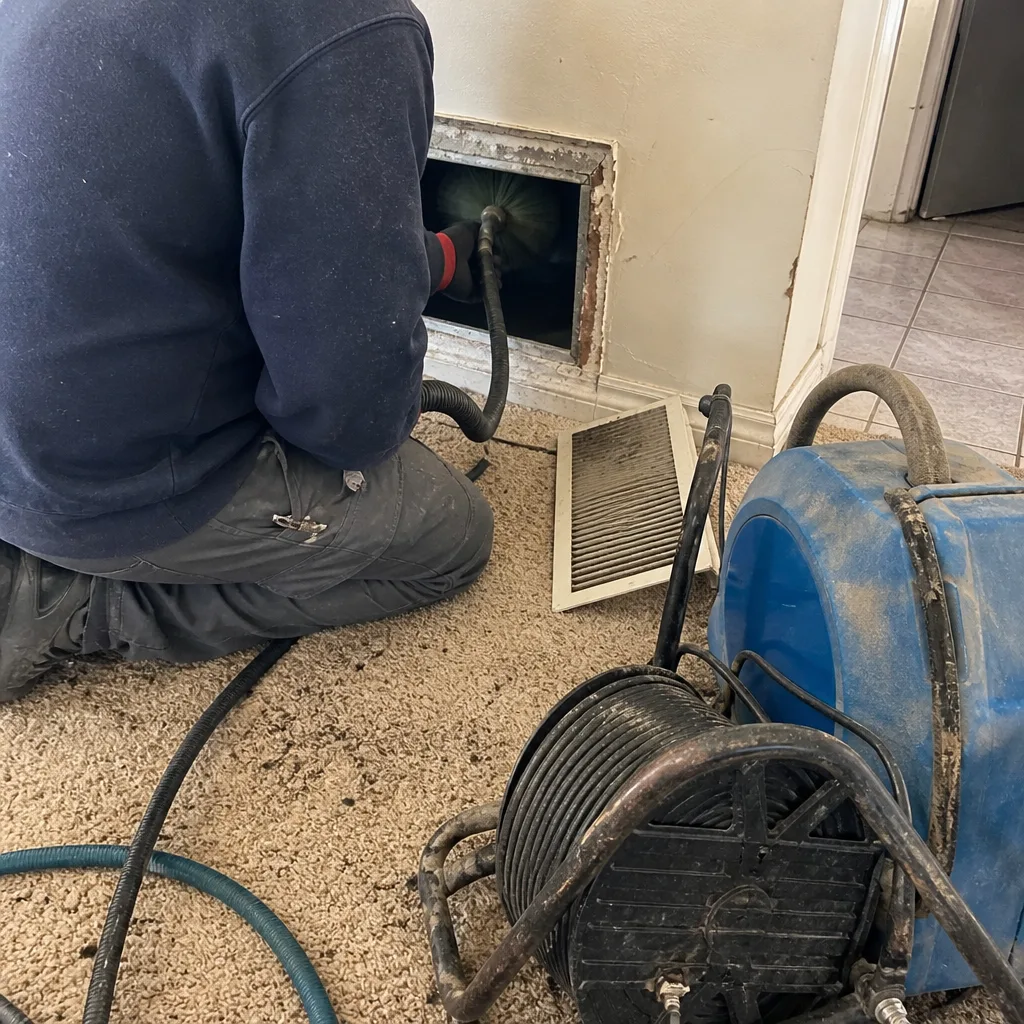 Before
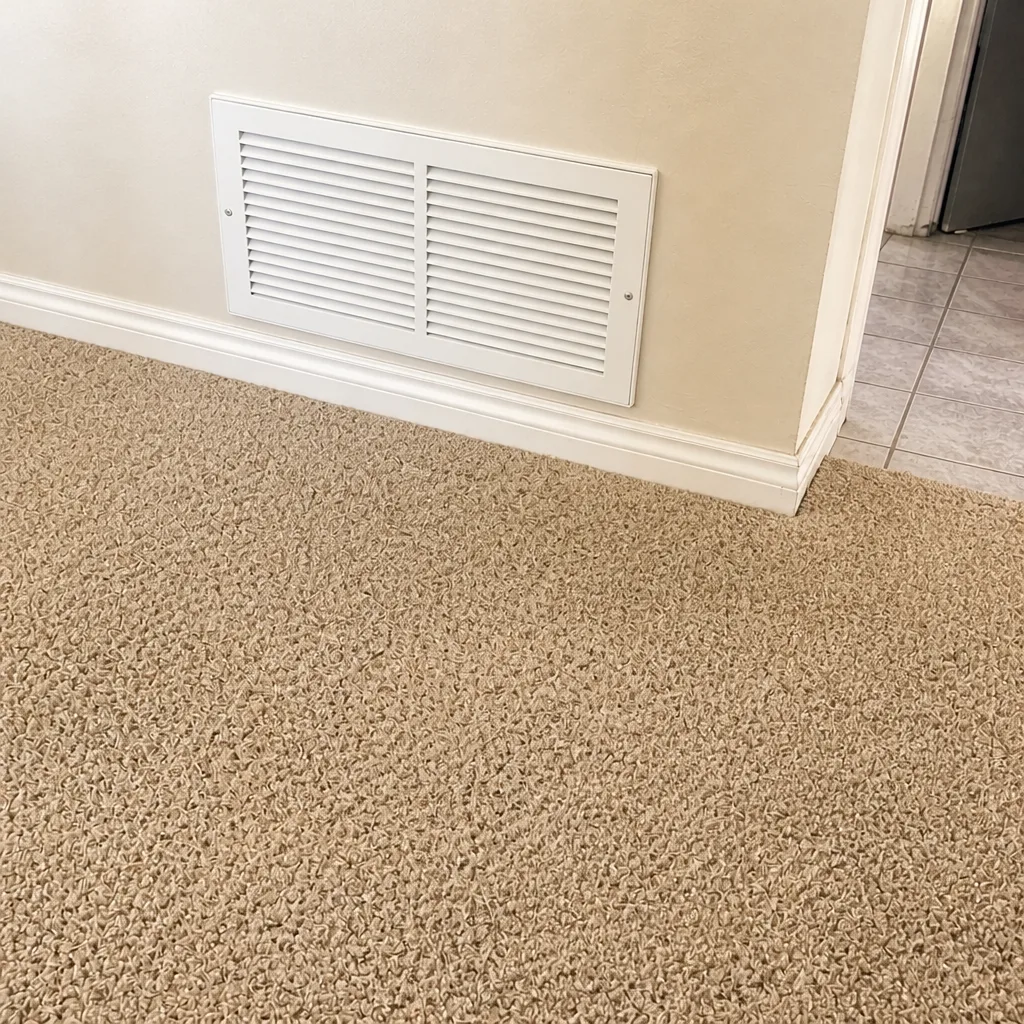 After
 Before
 After
 Before
 After
When to Call a Professional
Call a professional when a red-line item shows up, when the static pressure or coil inspection is due, or when your log and household changes point to a shorter interval than you’ve been running. In Commerce City that combination comes up often, between the dust load and the prevalence of older duct installations that weren’t sealed tightly. If you’ve seen visible growth, musty odor, moisture staining, or a dryer that takes noticeably longer to finish a cycle, that’s a stop-and-call situation, not something to add to the annual list. Commerce City Air Duct Cleaning offers free estimates in Commerce City. Call (877) 492-4447. We answer 24/7. Fast dispatch from 7am to 7pm, Sunday through Friday.
Frequently Asked Questions
Most Commerce City homes fall in the two-to-four-year range because of the wind-blown dust load, but your own filter-loading log overrides any general number. Watch how fast the filter darkens and how quickly dust returns at the return plenum. When those accelerate, it’s time. Call (877) 492-4447 for a free estimate.
No. A filter only cleans the air that passes through it. Loose fitting, undersized filters, and leaking duct joints let unfiltered air bypass the media and deposit dust downstream. Check the fit every time you replace, and run the annual static pressure test to find leaks the filter can’t catch. Call (877) 492-4447 to arrange an inspection.
Not effectively. A shop vac can retrieve surface dust at visible grilles, but it can’t agitate the duct wall or contain fine debris the way rotary brush and negative-air equipment do. The risk is spreading contamination rather than removing it. Professional equipment agitates and extracts.
Static pressure testing measures the pressure differences inside a duct system against the equipment manufacturer’s expected range. High readings point to a restriction or a leaking joint. It’s how a technician confirms whether duct repair and sealing is needed, not just cleaning. Call (877) 492-4447 to book it as part of an annual check.
A dryer vent is part of the same exhaust pathway that keeps a home safe, and lint at the vent hood is a fire-risk indicator. Clogs also cut dryer efficiency and raise the load on the appliance. It deserves its own calendar line, not an afterthought. Call (877) 492-4447 for a free estimate.
On a proper job it includes agitation of the duct wall, negative-air capture of the dislodged debris, inspection of the blower and coil, and a documentation record so you can track the result year to year. Sanitizing, duct repair and sealing, and HVAC component cleaning are separate scopes that a full-pathway contractor handles. Call (877) 492-4447 to discuss what your home needs.
The Bottom Line
A duct maintenance checklist is really a system of observations: monthly filters and airflow, quarterly checks after Commerce City’s wind events, and annual static pressure and inspection benchmarks. The log you keep is what turns those observations into a real cleaning interval, one calibrated to your home rather than a fixed industry number. Red-line items (visible growth, moisture, burnt smells, blocked dryer vents) override the schedule entirely. Everything else is a record that makes the next decision cheaper and clearer. When you’re ready for a professional inspection and a free estimate, call (877) 492-4447. We answer 24/7. Fast dispatch from 7am to 7pm, Sunday through Friday.
Written by the team at Commerce City Air Duct Cleaning.